

How to grow nutrient-rich cucumbers at home, unlock their incredible health benefits
Mail This Article


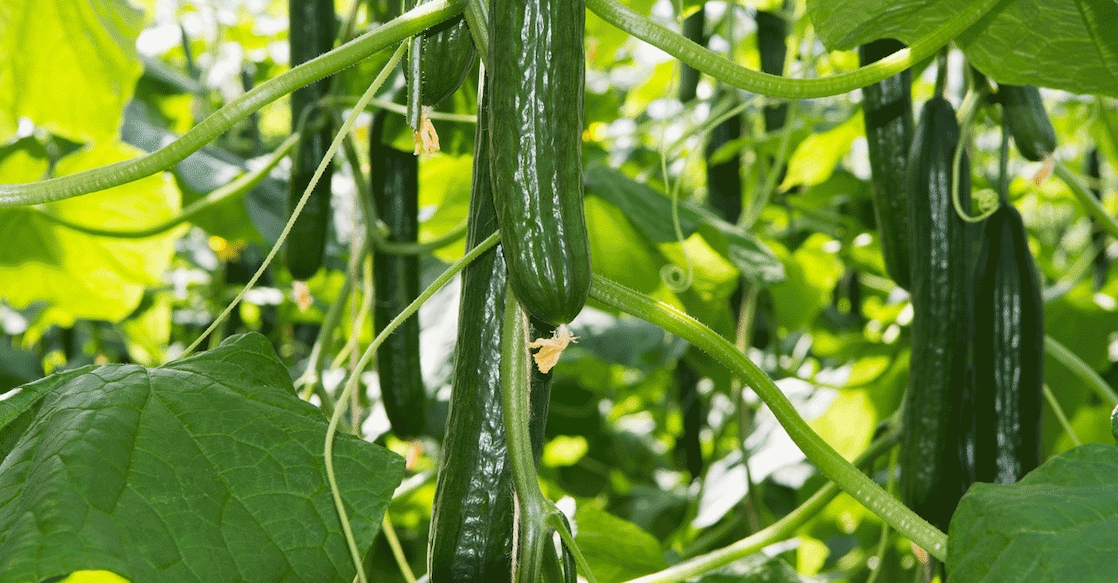
Do you have a sunny spot and a bit of space in your garden? If so, you can stop buying chemical-sprayed, store-bought cucumbers. Cultivating salad cucumbers at home is incredibly easy and highly rewarding. Cucumbers have secured a staple position in our daily diets, enjoyed raw in crisp salads, blended into refreshing juices, or even cooked in traditional dishes. Packing an outstanding nutritional punch, this versatile vegetable yields abundantly with just a bit of regular care. Here is your ultimate guide to successful cucumber cultivation at home, alongside its remarkable health benefits.
Getting started with home cultivation
To cultivate cucumbers successfully, choose a well-drained spot in your garden that receives plenty of direct sunlight. Prepare the planting bed by mixing loose soil with organic compost, cow dung powder, neem cake, and bone meal. Plant the seeds in rows, keeping an ideal distance of about four feet between plants. Soaking the seeds in water for about three hours before planting can significantly speed up germination. You can sow up to four seeds per bed. Once the seeds sprout and grow into young saplings, add a protective layer of mulch, such as dry or fresh green leaves, around the base to retain soil moisture.
Supporting the vines and watering right
The next phase is crucial for a bountiful harvest. As the plant begins to send out climbing tendrils, you must support them using ropes or a sturdy overhead trellis. Cucumber plants need to climb to bloom properly; if the vines lie flat on the ground, the developing cucumbers are highly likely to rot. Regular watering is vital, especially during the flowering and fruiting stages, but ensure the soil never becomes waterlogged. Avoid skipping watering sessions when the fruits are growing, as inconsistent soil moisture is the primary reason cucumbers develop a bitter taste. Regular organic fertilisation should also begin when the vines start to spread.

Choosing organic nutrition and pest control
For the healthiest produce, stick strictly to organic fertilisers. A liquid feed made of fermented groundnut cake slurry, or cow dung mixed with rice water, works wonders. Additionally, sprinkling wood ash around the base of the plant during the flowering stage stimulates more abundant blooms. As the tiny blossoms transform into tender cucumbers, watch out for pests like fruit flies. Protect the growing cucumbers by wrapping them gently in paper covers or utilising organic fruit fly traps to keep pests at bay without resorting to harsh chemicals.
When to harvest
You can typically harvest your first crop within 45 days of flowering. Do not let the cucumbers overmature on the vine. Harvesting them too late makes them tough, bitter, and lose their delicate, crisp texture. Pluck them when they are firm, plump, and bright to enjoy them at their absolute best.
A powerhouse of daily nutrition
Cucumbers are exceptionally rich in dietary fibre, vitamin C, magnesium, calcium, iron, phosphorus, zinc, potassium, and active antioxidants. Due to their low glycaemic index and high water content, they are a fantastic addition to diabetic-friendly diets. From aiding weight loss to optimising digestive health, keeping your body hydrated, and protecting cardiovascular wellness, this humble vegetable packs a punch against chronic ailments. Regular consumption strengthens bones, flushes out toxins, and helps lower the risk of cellular damage and certain cancers.
