

Beyond condolences: Now, a palliative centre in Kozhikode teaches death lessons
Mail This Article


Kozhikode: Grief may be universal, but the way people mourn and seek comfort can vary across cultures. In Kozhikode, a palliative care centre is taking death literacy beyond India, training people in different countries to accompany the bereaved with sensitivity to their cultural and emotional needs.
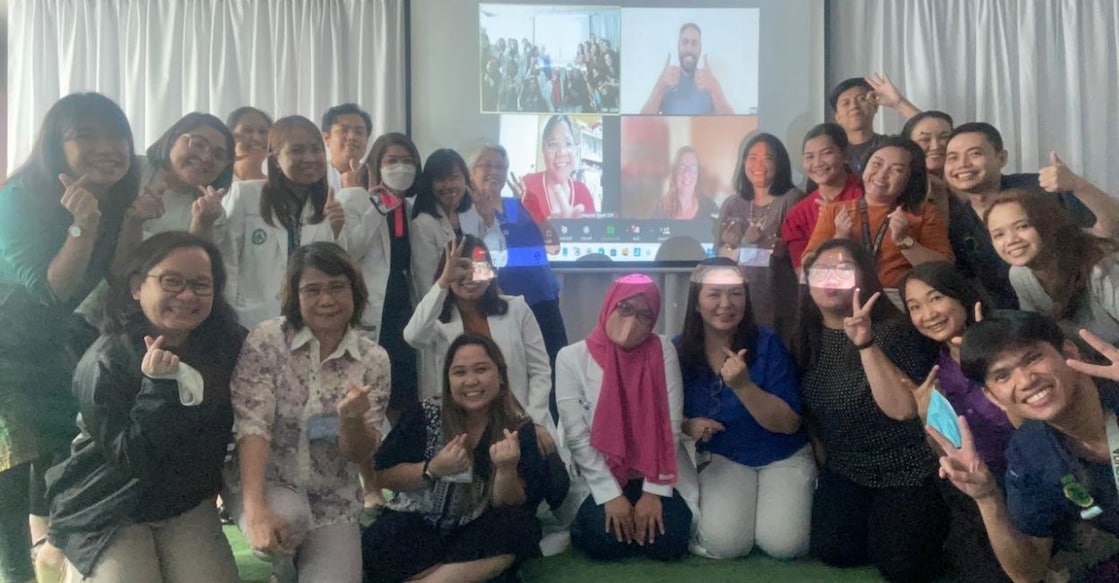
The Institute of Palliative Medicine (IPM), a World Health Organisation (WHO) Collaborating Centre for Community Participation in Palliative Care, is conducting its Bereavement Companionship Programme (BCP), a two-day foundation course aimed at equipping ordinary people to support those struggling with grief. The programme, which began during the COVID pandemic when many families were struggling to cope with the loss of their loved ones, is now reaching participants in Australia, Thailand, Sri Lanka, the Philippines and Bangladesh.
Launched in collaboration with the Death Literacy Institute, Mission Australia, the programme is conducted offline at the IPM centre in Kozhikode every month for participants from Kerala. Similar two-day death-literacy programmes are organised online for people in other countries. Around 1,000 people have already benefited from the programme in India, while about 120 participants from different countries have undergone the training.
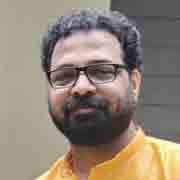
"When we organise the programme for people in Kerala, it is conducted as an offline training session at the IPM centre in Kozhikode, while programmes for people staying in other countries are organised online. Though the concept and aim of the course remain the same, the course design is different for people from each country, as death literacy is deeply rooted in the culture and society of every country," said Saif Muhammed, programme coordinator.
In low- and middle-income countries, social relations are generally built around close-knit communities. The situation in Bangladesh, Sri Lanka, Thailand and the Philippines is, in many ways, similar to that in India. However, customs surrounding death and the process of recovering from grief can be different in countries such as Australia, where family and social relationships may not follow the same patterns.
"Where families and relatives are closely connected, the customs related to death and the way people recover from grief are different. Therefore, a separate programme is designed according to the cultural and social characteristics of each society," Saif said.
The programme is not aimed primarily at the relatives of deceased persons. Instead, it focuses on people in their surroundings who may have to accompany someone through grief.
"Palliative care is a familiar word now across the world. But death literacy and bereavement support are not that familiar. We should learn how to support those who are grieving. A single word spoken with the intention of consoling them can have the opposite effect and hurt the person. We should learn how to deal with and support bereaved people, as those who lose their dearest ones have to live their entire lives with that grief," Saif said.
"Such grief never ends, but people learn how to live with it. The people around them can support them in living that life," he added.
The two-day foundation programme includes different segments covering the basics of bereavement support, different models for addressing situations, communication and self-care. The course follows an experiential-learning approach, with participants trained to understand what it means to be a companion to someone experiencing grief.
The centre charges ₹300 per participant for the offline programme, with the fee for participants from other countries being almost the same.
Dr Suresh Kumar, director of the WHO Collaborating Centre, said the basic foundation of the course remains common because grief is universal, but the training is adapted to the cultural context of each country.
"As we are collaborating with WHO and the Death Literacy Institute, Mission Australia, many people from other countries are showing interest in the programme. We will group participants from a particular country together. Before starting a programme for each group, we consult people associated with death literacy programmes in that specific country and study the cultural background of the region," he said.
The programme, he said, has been designed primarily as experiential learning so that anyone who may one day become a companion to a grieving person is better prepared to stand beside them.
The programme mainly carries a message that a person facing grief does not always need advice or solutions. Often, they need someone who can listen without judgement, understand what they are going through and remain present through a difficult period.
