

NATPAC conducts inspection to address urban waterlogging in Kozhikode
Mail This Article


Kozhikode: A team from the National Transportation Planning and Research Centre (NATPAC) has carried out a joint field inspection across various parts of the city to identify permanent solutions to recurring monsoon waterlogging.
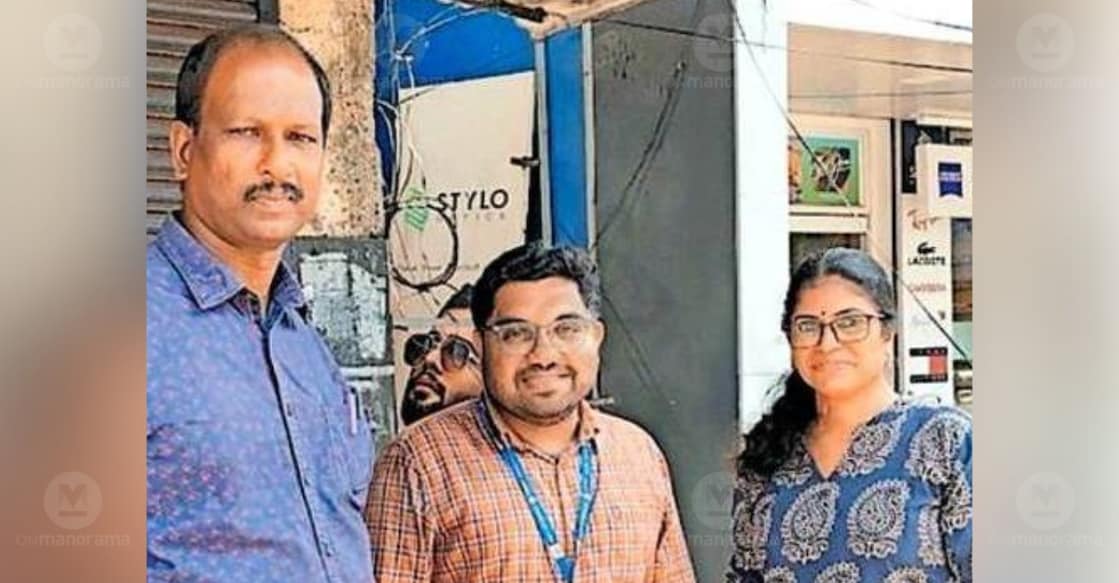
The team was led by NATPAC Senior Scientist Dr. N.M. Sabitha, Kozhikode Regional Office Scientist Dr. Goutham Sarang, and Public Works Department (Roads) Assistant Engineer B. Shijith.
The visit was prompted by widespread public concerns regarding severe waterlogging even after short spells of rain. The team inspected several chronically affected areas, including Mavoor Road, the KSRTC bus terminal premises, Kottuli, and Stadium Junction.
Following the assessment, officials noted that defects in the roadside drainage infrastructure and inadequate maintenance are the primary factors causing roads to submerge quickly during downpours.
Key Findings:
Inadequate Inlets: Stormwater inlets, which channel rainwater from roads into drains, have not been installed at regular intervals. In several locations, existing inlets are positioned above road level, preventing water from flowing freely into the drainage network. Many are also clogged with accumulated silt, mud and debris.
Waste Accumulation: Direct dumping of waste from commercial establishments into roadside drains has severely hindered water movement. Drainage lines in locations such as Stadium Junction remain heavily choked with plastic and other solid waste.
Runoff from Buildings: Rainwater from adjacent commercial buildings is frequently discharged directly onto the road surface rather than into stormwater drains, significantly increasing the volume of surface water. Rapid land-use changes and extensive concretisation have further reduced natural soil percolation, aggravating the problem.
Rainfall Intensity: The capacity of the current drainage network is insufficient to handle high-intensity, short-duration rainfall, causing rapid overflow.
As an immediate corrective measure, the team has recommended properly realigning, clearing, and levelling the stormwater inlets. They also stressed the need for a comprehensive hydrological study to formulate a viable, long-term stormwater management plan for the city.
