

Kozhikode-Wayanad High-Speed Rail: Greens agree after Sreedharan meeting, seek expert study

Mail This Article


Sulthan Bathery: In what could mark a significant departure from their traditionally cautious approach to major infrastructure projects in the ecologically fragile Western Ghats, environmental activists in Wayanad have expressed support for the proposed high-speed rail corridor connecting Kozhikode and Sulthan Bathery through a 20-km-long twin tunnel, after being convinced in a prolonged discussion with metro man E Sreedharan.
However, the Wayanad-based environmentalists have made their support conditional on a comprehensive scientific assessment by an expert committee, particularly regarding underground water movement, hydrological patterns and the geological characteristics of the rock formations along the proposed alignment.
It may be recalled that the environmental activists in Wayanad had faced considerable criticism for their opposition to lifting the night traffic ban on National Highway 766 (Kozhikode–Kollegal), the proposed Nilambur–Nanjangud railway line and the Anakkampoyil (Kozhikode)–Kalladi (Wayanad) twin-tunnel road project through the Western Ghats.
Their latest expression of support for the Kozhikode–Wayanad high-speed rail corridor, albeit conditional, therefore marks a significant shift in their approach to major infrastructure projects in the region.
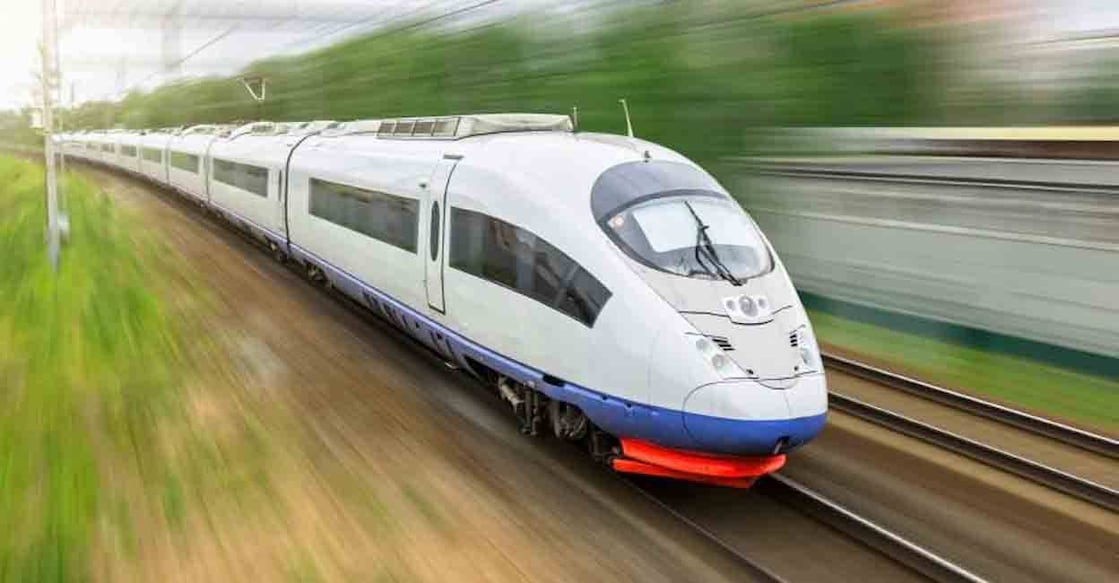
Estimated to cost around ₹15,000 crore, the project envisages connecting Kozhikode and Sulthan Bathery, a distance of approximately 83 km, in just 45 minutes. A concept note on the proposal has been submitted to Chief Minister VD Satheesan. The corridor is being envisaged as a precursor to the proposed Kerala High-Speed Rail project, taking into account Wayanad's urgent need for improved connectivity.
Wayanad Prakrithi Samrakshana Samithy president N Badusha told Onmanorama that the organisation had held a special interaction with E Sreedharan, who was in Wayanad in connection with the project. The discussion had convinced the environmentalists that the proposed corridor, if implemented using appropriate technology and after ensuring adequate safeguards, need not adversely affect the environment. Instead, it could potentially contribute to reducing carbon emissions by shifting a substantial portion of the traffic from the congested Kozhikode–Wayanad ghat road to an electric rail network, he said.
Explaining the difference between the proposed project and the Anakkampoyil–Kalladi twin-tunnel road project, which the environmentalists have consistently opposed, Badusha said their opposition to the latter remained unchanged.
"The Anakkampoyil–Kalladi tunnel passes through the extremely sensitive Camel's Hump Mountain ranges of the Western Ghats, where the terrain is highly vulnerable to recurring landslides. The recent landslide near Kalladi, which claimed eight lives, has once again exposed the fragility of this ecosystem," he said.
Tunnel mouths outside the ecologically sensitive Western Ghats
The environmentalists' concerns over the Anakkampoyil–Kalladi project also stem from the construction methods proposed and the environmental credentials of the company involved in the work, Badusha said.
He alleged that conventional blasting methods employed for tunnel construction, particularly when aimed at extracting large quantities of granite, could destabilise the surrounding landmass and trigger adverse geological consequences. In contrast, the Kozhikode–Wayanad proposal envisages the use of sophisticated Tunnel Boring Machines (TBMs), which excavate rock mechanically and remove the excavated material without resorting to extensive blasting. The technology is expected to minimise vibrations and disturbances to the surrounding geological formations.
Another major consideration is the location of the proposed tunnel mouths. According to the project proposal, nether portal would be situated deep inside the ecologically sensitive Western Ghats. One would be located a few kilometres from Adivaram, while the other would emerge near Kalpetta, at the edge of the Deccan Plateau.
"With the tunnel entrances located away from the most sensitive mountain ranges, several of our major environmental concerns have been addressed. However, we insist that an independent expert committee should examine the geological and hydrological aspects before the project proceeds," Badusha said.
Reduce Pollution in the Ghat Road Stretch
A traffic survey conducted by the Delhi Metro Rail Corporation (DMRC) under Sreedharan's supervision in July this year reportedly found that more than 4,000 vehicles travelled in each direction along the Kozhikode–Wayanad route even during the relatively lean monsoon season. These vehicles carried an estimated 55,000 people daily, Badusha said.
The traffic volume is expected to increase considerably during the tourist season, further adding to congestion and vehicular emissions along the winding ghat road. With a high-speed rail connection, a substantial number of commuters and tourists could shift to rail transport, reducing pressure on the existing road network. The proposed corridor is expected to bring down the journey time between Kozhikode and Sulthan Bathery to around 45 minutes.
The project is also envisaged to operate using solar energy.
