

A Keralam panchayat stages forgotten art forms every Sunday, part of returns go to disaster-relief

Mail This Article


Alappuzha: From Gandharvanpattu to Chathanpattu, a panchayat in Alappuzha is bringing forgotten art forms back into the spotlight, drawing crowds and opening up new opportunities for traditional performers.
The Sunday platform, launched barely six months ago to preserve folk traditions on the verge of extinction, has evolved into a popular cultural gathering, with audiences eagerly awaiting each performance.
What began as an effort to give forgotten art forms a stage is now opening up new opportunities for artists, while also introducing younger generations to the cultural traditions of their land.
The idea originated with Kanjikuzhy panchayat president Santhosh Kumar, who proposed an initiative to preserve the region’s dying folk culture. The proposal received a positive response from the panchayat committee, following which ward member Murali took the responsibility of turning the idea into reality. He currently coordinates the initiative.
Although the platform witnessed a slow start, it has gradually gained popularity, with performances now drawing sizeable crowds.

“Initially, it took some time for the platform to gain traction. But now, whenever traditional artists perform, we see a massive turnout. After we started this platform, artists got an opportunity to showcase their art before a much larger audience. They tell us that they are now receiving invitations to perform in other districts as well. Hearing this makes us happy,” Murali says.
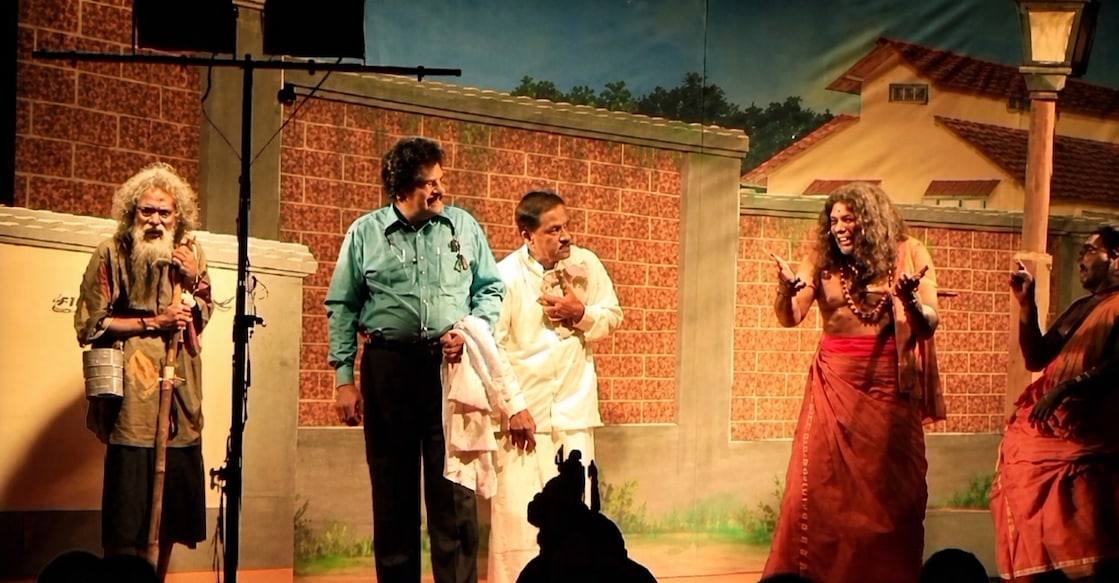
The performances are held at an auditorium with a seating capacity of around 1,000. While the initiative was launched six months ago, only three performances have been organised so far, as the organisers were initially focused on building an audience. With the platform now gaining popularity, the panchayat plans to ensure regular monthly performances.
A nominal ticket fee of ₹100 is collected from the audience to manage the arrangements. The proceeds are distributed among the performing artists, with a small portion also set aside for the disaster relief fund.
For Murali, however, the initiative is about more than providing a livelihood opportunity for traditional performers. It is also an attempt to ensure that the next generation does not grow up disconnected from its cultural roots.
“What if at least some of the children who watch these performances get inspired and decide to learn these art forms? That would mean our traditions will continue to be preserved,” he says.
The platform’s first performance was the drama Ashwamedham. Since then, traditional art forms such as Udukkupattu, Chathanpattu and Chinthu Pattu have also found a place on its stage.
A stage that is changing artists’ fortunes
For the artists who have performed at the Sunday platform, its significance goes well beyond the applause they receive in the auditorium. It has given traditional art forms greater visibility and, in some cases, opened doors to opportunities they had struggled to find for years.
Vrindavanam Venugopal, an exponent of Gandharvanpattu, says the platform has brought a significant change in the fortunes of his team.
Gandharvanpattu is a traditional ritual art form associated with the appeasement of celestial spirits, protection of pregnant women and the well-being of households. The ritual combines kalamezhuthu, the intricate creation of floor drawings using natural powders, with rhythmic songs, storytelling and trance performances.
For practitioners, however, opportunities to perform are often seasonal, making it difficult to sustain the art form throughout the year.
“Usually, we get bookings only during a particular season. Sometimes, even that may not happen. But after our performance at the panchayat’s Sunday platform, numerous organisations approached us. We are now booked until the next season,” Venugopal says.
The impact was not limited to the artists. Venugopal noticed that several children who watched the performance were also showing an interest in learning Gandharvanpattu. For an art form whose survival depends on passing its knowledge from one generation to the next, this has been an encouraging development.
The Sunday platform may still be in its early stages, but its impact is already being felt beyond the auditorium. Artists are finding new audiences, children are discovering traditional art forms, and residents are developing an appetite for performances that were once at risk of fading into obscurity.
