How World War 2 impacted Italian nuns in Calicut

Mail This Article


When Fr Edward Beretta S J, a Jesuit missionary brought a small group of nuns to Calicut in 1937 to open the Bridgettine Adoration Convent in Marikunnu, he had little idea how the clouds of war that were forming in his native Italy would impact these young women. The convent was opened with much fanfare in 1938, but became a target of the authorities when the Second World War broke out in Europe.
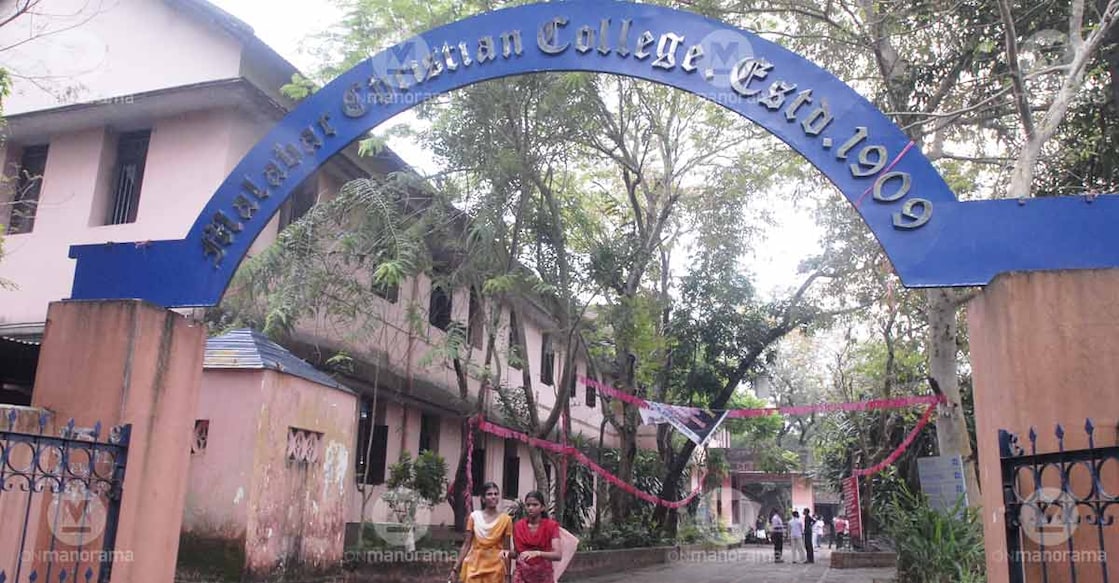
In 1939, when Britain declared war on Nazi Germany and the Axis powers, the colonial authorities in India began arresting citizens of these countries and sending many of them to internment camps in places like Satara, Ahmednagar and Deolali in Maharashtra. Automatically considered “Enemy Foreigners,” even those engaged in social work and education were rounded up. The most high-profile arrest in Calicut was that of Theodor Lorch, the principal of the Malabar Christian College in May 1940.
In this clampdown on citizens of Axis countries, Italians were arrested, but the Bridgettine sisters in Calicut were not forcibly relocated to internment camps, but restricted to the confines of the convent. At that time, eight out of the 21 nuns in the convent were Italian citizens. The institution depended heavily on funds from Italy, along with assistance from the Diocese of Calicut and donations from local Catholics. A ban on any financial transactions between the British Empire and Italy, led to both the Diocese and the convent being starved of their main source of sustenance. The ensuing circumstances essentially put these sisters in a state of penury.
Those “Enemy Foreigners” that were placed under house arrest were not allowed to leave India at that time, so the nuns did not have the option of returning to Italy. Alarmed at their plight, the Bishop of Calicut appealed to the government of Madras for help.
In a letter dated August 1, 1940, T Austin, Chief Secretary of the Madras government, told the Home Secretary of the Indian government that the convent was “almost entirely deprived of means of support” and that the nuns were “practically stranded.” He added, “The Bishop therefore requests that each of the eight Italian sisters in the Convent may be granted financial assistance by the Government at the rate of Re 1/- a day each.”
The Madras Chief Secretary wrote that he asked the Archbishop of Madras, a Frenchman, whether he could request the Vatican to help these Italian nuns. “I am in this connection to enquire whether money from the Vatican (a neutral state) would be allowed to reach the sisters either directly or indirectly,” he added. In a follow-up letter, Austin said he was informed by the Archbishop of Madras that a request was made to the Diocese of Calicut to help the nuns.
The request to the Indian government to provide one rupee per day to the Italian nuns was rejected. In response to Austin’s letters, H A N Barlow, Under Secretary of the Indian government, said there was no obligation to help any mission that received funds from abroad. “The Government of India only undertake to provide maintenance allowances for persons who have been deprived of their means of livelihood by restriction to a parole centre,” he wrote in response to Austin.
Barlow added that there would be no objections if the Vatican decided to send funds for the upkeep of the sisters and the Calicut convent.
Over the next five years, several requests from other missionaries who were citizens of Axis powers to go back home were turned down. The missionaries were forced to survive on the donations of churches and their parishioners.
The Bridgettine Adoration Convent continues to operate out of Kozhikode. A year before the convent was opened, Fr Beretta established a small dispensary in the city, which is now the multi-speciality Nirmala Hospital.
In these days of renewed global conflicts and wars, one breaks into cold sweat when thinking of the prospect of being stranded and interned for the long-term in a so-called enemy country. The Indian government has done a commendable job of rescuing citizens from war zones, but none of these conflicts directly involved India. Unfortunately, humanity has not learned any lessons from the dark days of the 1940s, and the risk of another world war remains high.