

Iran threatens to retaliate as US blockade of Hormuz takes effect; NATO allies refuse to join
Mail This Article


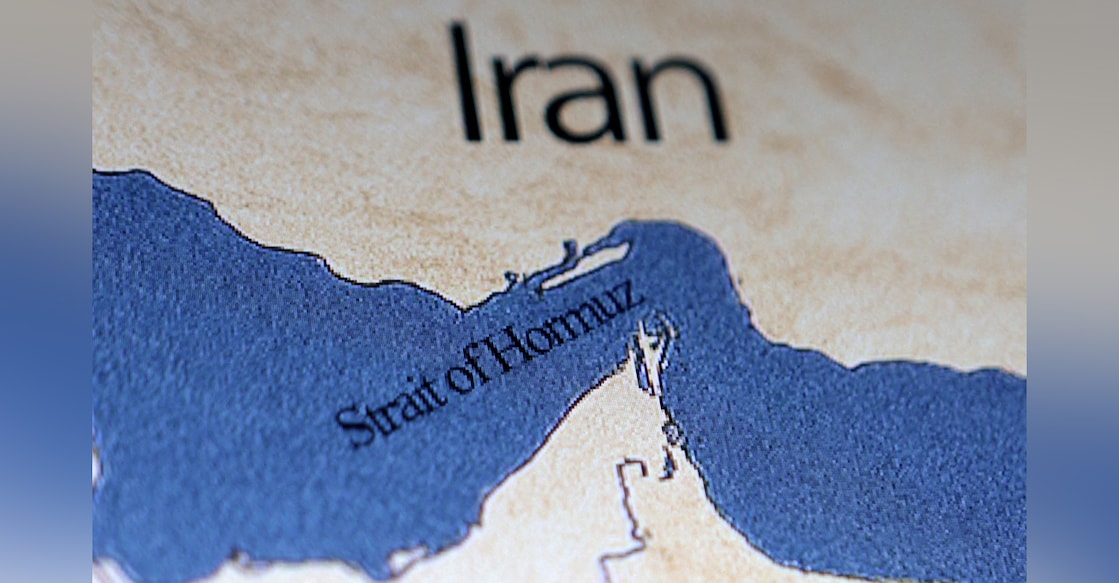
Iran has threatened retaliation against ports in neighbouring Gulf countries after the United States announced the start of a blockade in the Strait of Hormuz from 14.00 GMT (7.30 PM IST), for all maritime traffic entering and exiting Iranian ports and coastal areas. The action followed the collapse of weekend talks aimed at ending the conflict.
The US military said the blockade would be enforced across the Gulf of Oman and the Arabian Sea east of the Strait of Hormuz, applying to all vessel traffic regardless of flag, according to a notice issued by the US Central Command, which was seen by Reuters on Monday.
“Any vessel entering or departing the blockaded area without authorisation is subject to interception, diversion, and capture,” the notice said. “The blockade will not impede neutral transit passage through the Strait of Hormuz to or from non-Iranian destinations.”
The blockade “encompasses the entirety of the Iranian coastline to include but not limited to ports and oil terminals”, the note said, adding that humanitarian shipments including food, medical supplies, and other essential goods would be permitted, subject to inspection.
Since the war started on February 28, Iran has effectively shut the strait to all vessels except its own, saying passage would be permitted only under Iranian control and subject to a fee. US President Donald Trump said Washington would now block Iranian vessels and any ships that paid such tolls.
Hitting out against the US blockade of Hormuz, the head of the UN maritime agency said that no country had a legal right to block shipping in the Strait of Hormuz, a trade passage paralysed by the US-Iran war. "In accordance to international law, no countries have the right to prohibit the right of innocent passage or the freedom of navigation through international straits that are used for international transit," the International Maritime Organisation's Secretary General Arsenio Dominguez told the media.
Meanwhile, the United States' NATO allies said on Monday they would not get involved in Trump's plan to blockade the Strait of Hormuz, further ratcheting up tensions within the increasingly fragile alliance. Trump said the US military would work with other countries to block all maritime traffic in the waterway.
But NATO allies, including Britain and France, said they would not be drawn into the conflict by taking part in the blockade, saying instead that it was vital to open the waterway through which one-fifth of the world's oil usually passes, which Iran has effectively closed since the conflict began on February 28.
Their refusal to participate is yet another point of friction with Trump, who has threatened to withdraw from the military alliance and is weighing pulling some US troops from Europe after several countries resisted supporting the US campaign against Iran by denying US military planes use of their airspace.
Considerable pressure
“We're not supporting the blockade,” British Prime Minister Keir Starmer told the BBC. “My decision has been very clearly that whatever the pressure, and there's been some considerable pressure, we're not getting dragged into the war,” he said.
NATO Secretary General Mark Rutte told European governments that Trump wants concrete commitments in the near future to help secure the Strait of Hormuz, diplomats told Reuters last week. NATO could play a role in the strait if its 32 members could agree on the formation of a mission, Rutte said on April 9.
Several European countries have said they're willing to help in the strait but only once there is a durable end to hostilities and an agreement with Iran that their ships will not be attacked.
France will organise a conference with Britain and other countries to create a multinational mission to restore navigation in the strait, French President Emmanuel Macron said on X on Monday. “This strictly defensive mission, distinct from the belligerents, will be deployed as soon as the situation allows,” Macron said.
Britain is working on ways to reduce insurance premiums for ships passing through the strait once the fighting has stopped, according to a senior European official.
The Strait of Hormuz should be reopened by diplomacy, Turkish Foreign Minister Hakan Fidan said on Monday, adding that creating an international force to oversee it would be complicated as he called for NATO to reset its ties with Trump at a summit in Ankara in July.
 Add as a preferred source on Google