

Anand Mahindra eager to witness magic of Kerala's Sree Padmanabhaswamy temple: Here's why
Mail This Article


Industrialist Anand Mahindra has carved out a distinct space for himself on social media, which extends well beyond his role in the corporate world. Known for sharing posts that are both engaging and thought-provoking, he frequently captures public attention, with many of his updates going viral.
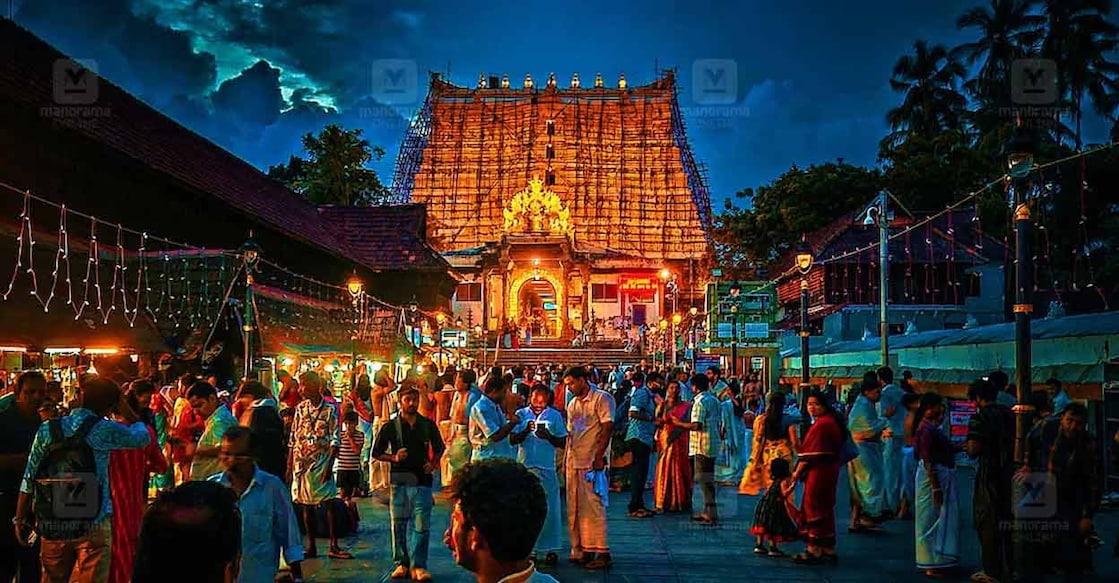
His latest post on X turns the spotlight on the Sree Padmanabhaswamy Temple in Thiruvananthapuram. He opens the note by pointing out that the temple’s architecture is connected to principles of astronomy. Accompanied by a video of the temple, the post has drawn considerable attention online.

He wrote on his page, "In Thiruvananthapuram stands the Sree Padmanabhaswamy Temple, where architecture meets astronomy. On equinoxes, the setting sun aligns precisely with the temple’s structure, appearing through a sequence of windows in timed intervals, an event often described as “Suryasmaranam.” Built centuries ago, but it reflects a sophisticated understanding of solar movement, geometry and orientation. Comforting that science and spirituality weren’t separate pursuits. They coexisted and often reinforced each other.
I’m putting this firmly on my own urgent bucket list: to be there on one of the two equinox days. I missed the spring equinox just this past Friday. But I have two chances every year. Calendar marked." The Sree Padmanabhaswamy Temple is counted among the 108 Divya Desams (sacred lands) of Hinduism. Its principal deity is Anantha Padmanabhaswamy, a unique depiction of Vishnu reclining on the serpent Anantha in yogic sleep. The temple’s origins are ancient and somewhat shrouded in mystery, with historians tracing them back to around the 8th century AD. Architecturally, it stands as a blend of Dravidian tradition and classical Kerala style.
The temple unfolds from a seven-storey gopuram (tower) into a long corridor lined with 365 intricately carved pillars. The main idol is believed to have been crafted using 12,008 sacred stones sourced from the Gandaki River in Nepal. In the Navagraha Mandapam, the ceiling features stone carvings representing the nine planets of the solar system.
