

Difference between active euthanasia & passive euthanasia

Mail This Article


• The word ‘euthanasia’ is a derivative from the Greek words ‘eu’ and ‘thanotos’ which literally means “good death”.
• It is otherwise described as “mercy killing”.
• The House of Lords Select Committee on ‘Medical Ethics’ in England defined euthanasia as “a deliberate intervention undertaken with the express intention of ending a life to relieve intractable suffering”.
What is active euthanasia?
Active euthanasia involves taking specific steps such as injecting the patient with a lethal substance (for example Sodium Pentothal) which causes the person to go into deep sleep in a few seconds and the person dies painlessly in sleep. It amounts to killing a person in order to end the suffering in a state of terminal illness. It is considered to be a crime all over the world (irrespective of the will of the patient) except where permitted by legislation.
What is passive euthanasia?
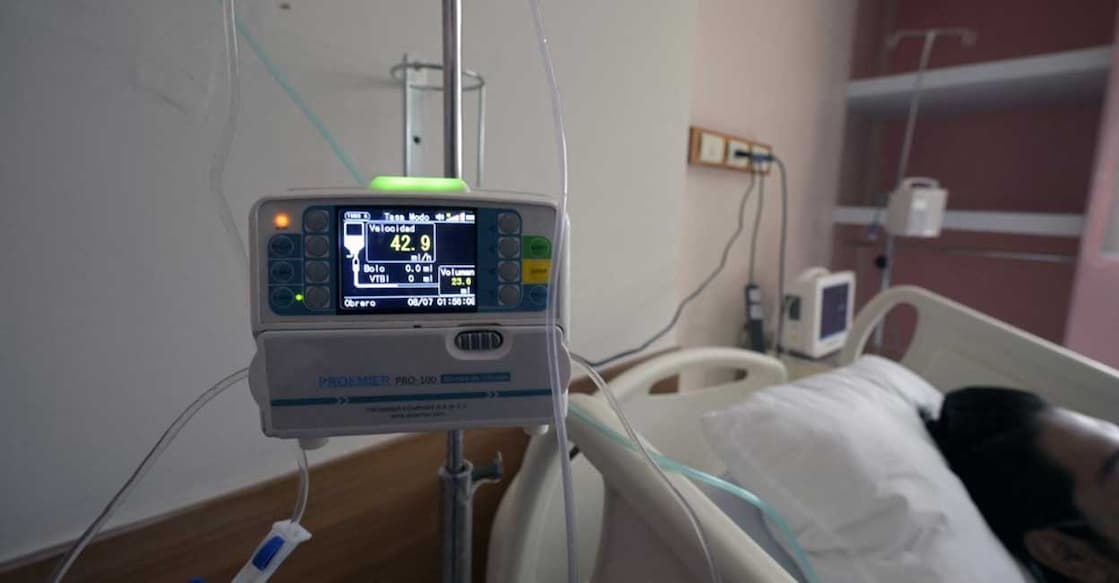
Passive euthanasia, otherwise known as ‘negative euthanasia’, stands on a different footing. It involves withholding of medical treatment or withholding life support system for continuance of life. For example, withholding of antibiotic where without doing it, the patient is likely to die or removing the heart–lung machine from a patient in coma.
• The distinction has been highlighted in the decision of the Supreme Court of India in Aruna Ramachandra Shanbaug vs Union of India (2011).
• The core point of distinction as noted by the Supreme Court is that in active euthanasia, something is done to end the patient’s life while in passive euthanasia, something is not done that would have preserved the patient’s life.
• To quote the words in the verdict in the case, in passive euthanasia, “the doctors are not actively killing anyone; they are simply not saving him”.
