

What are we really afraid of? Horror in 2025 has some answers

Mail This Article


Once seen as all jump scares and cheap thrills, horror has slowly been shedding that reputation over the years. But in 2025, the shift feels more dramatic and more deliberate. Horror today isn’t just trying to scare us. It’s telling richer, riskier stories. It’s emotional, experimental, and sometimes even beautiful in how it explores fear. And this year’s standout films prove just how far the genre has come.
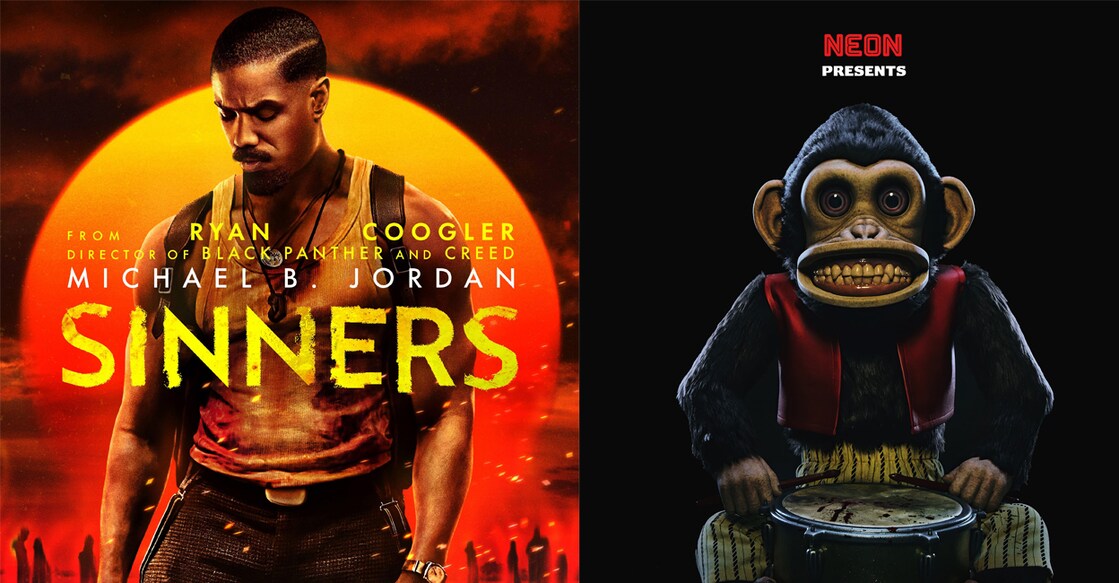
Take ‘Sinners’. Directed by Ryan Coogler, it’s a bold, genre-defying vampire story set in 1930s Mississippi, with Michael B. Jordan playing twin brothers entangled in themes of bloodlust, memory, and racial trauma. It’s part horror film, part blues musical, and wholly unlike anything we’ve seen before. With awards already rolling in, ‘Sinners’ is a clear reminder that horror can be prestige cinema, and still shake you to your core.

Then there’s ‘The Monkey’, based on a short story by Stephen King. On the surface, it’s about a cursed toy monkey that brings death wherever it goes. But what makes it linger is how it explores the unspoken fears we carry from childhood; grief, guilt, and the trauma we inherit without ever asking for it. Directed by Osgood Perkins, the film is quiet and eerie, but also devastating. It’s a horror film that wants you to feel something deeper than fear, and clearly, audiences were moved, with the film doing far better than expected at the box office.
‘Companion’ takes the genre in a different direction, tapping into the very modern fear of isolation and technological dependence. Set in a not-so-distant future where human connection is almost extinct, the film follows a lonely man who forms a bond with an AI companion, until things unravel. Starring Jack Quaid and Sophie Thatcher, ‘Companion’ balances sci-fi with emotional storytelling, making its dystopia feel personal.
Of course, not everything this year is about breaking new ground. Horror still loves its franchises but even those feel sharper now. ‘Final Destination: Bloodlines’ brings back the elaborate death traps fans expect, but this time with a smarter, more thought-out backstory. It’s still gory and wild, but now there’s actually something at stake beyond the next brutal kill. You care about the characters, not just how they die.
And then there’s ‘Wolf Man’. Directed by Leigh Whannell and starring Ryan Gosling, it’s a fresh take on the classic monster movie. Gone is the camp. Instead, we get mood, dread, and a haunting sense of humanity behind the horror. It proves that even old icons can be reborn when handled with care and imagination.
So why is horror having such a moment? Part of it comes down to its flexibility. Horror can be anything; it doesn’t need to rely on ghosts or demons anymore. The genre is now a space to explore identity, isolation, trauma, and representation. Earlier films touched on mental health too, but now there’s a stronger focus on being seen, the horror of invisibility, of not belonging, of carrying generational pain. That’s where the real fear lives now.
Low budgets and creative freedom have always helped horror push boundaries. And in 2025, with streaming platforms, international exposure, and film festivals embracing the genre more than ever, horror has become one of the most diverse, daring, and emotionally intelligent spaces in cinema.
If the first half of the year is anything to go by, horror isn’t just doing well, it’s leading the pack. This is the year the genre stopped playing it safe, and in doing so, became the most exciting thing happening in film right now.
 Add as a preferred source on Google