

Meet the Kerala dish with a Turkish name and no Turkish roots
Mail This Article


For many in Malabar, Turkey once lived more in imagination than in reality. In old bedtime stories, children would drift off dreaming of princes arriving from distant lands beyond Persia. Turkey, to them, was not just a place. It was a kind of paradise, spoken of with wonder and affection.
Trade routes helped build that fascination. Merchants and goods from faraway regions had been arriving on the Malabar coast for centuries. Along with spices going out, stories and impressions came in. Over time, these distant lands became part of local memory, shaping not just imagination, but even the way things were named.
One such name is turkipathiri (Turkey pathiri), a well-known delicacy from Thalassery. At first hearing, it sounds like a dish that must have travelled across the sea from Turkey. The truth, however, is far simpler and far more local.
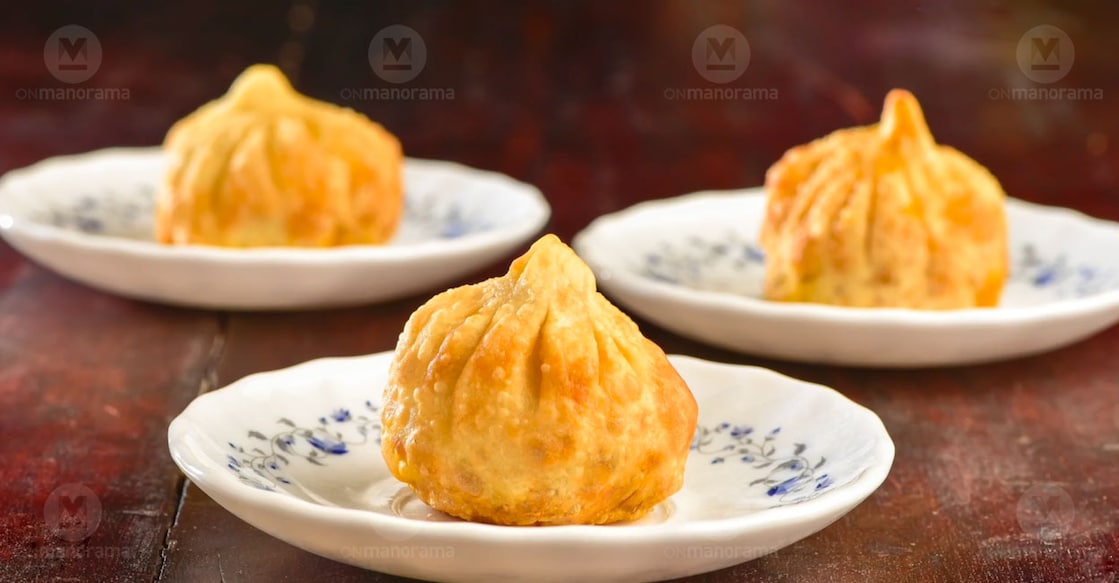
What did arrive from Turkey, or at least what people associated with it, was the Turkish cap —white, soft, and gathered along the edges. When cooks in Malabar began making a stuffed pathiri with layers of beef and egg, the finished dish, with its pleated edges, reminded them of that cap. The resemblance was enough. The name stuck.
If the naming shows imagination, the taste more than lives up to it.
Turkipathiri has long held a place of pride in Malabar feasts. Be it a nikah or a festive gathering, serving it adds a certain richness to the table. It is not an everyday dish, but one that carries a sense of occasion, then and now.
How turkipathiri is made
The process begins with a simple dough. Maida is mixed with water and salt and kneaded to a soft, chapati-like consistency. This is set aside to rest.
For the filling, eggs are beaten with a little salt and pepper, then cooked into a soft scramble. In another pan, sliced onions and curry leaves are sautéed in oil until they soften. Ginger-garlic paste is added, followed by turmeric, pepper, and garam masala. Minced beef, already cleaned and lightly seasoned, goes in next and is cooked through before finishing with fresh coriander leaves.
The dough is then divided into small portions. Some are rolled out into small discs and fried, while others are rolled slightly larger. The layering is what gives turkipathiri its character.
A larger disc is laid out first, topped with a layer of the beef masala. A smaller fried disc is placed over it, followed by a layer of scrambled egg. The edges of the larger disc are then gathered gently, almost like pleating fabric, and brought together to seal the filling inside.
Once shaped, it is flattened slightly and cooked in oil over a low flame until both sides turn golden and crisp, ensuring the inside is cooked through as well.
Click here for the full recipe of Turkey pathiri
