

Kerala biryanis have not received the recognition they deserve: Vir Sanghvi at Golden Clove Awards
Mail This Article


Kerala’s rich culinary landscape, shaped by history, geography and evolving tastes, took centre stage at the Manorama Online Golden Clove Awards, where food was celebrated not just as cuisine but as culture, memory and identity. Journalist and food critic Vir Sanghvi set the tone, reflecting on his enduring admiration for Kerala’s food.
“Whether people choose to call it Kerala cuisine or not, the truth is that if you take away Punjabi dishes like butter chicken and tandoori chicken, the only cuisine that truly shines across the world is Kerala cuisine,” he said. Sanghvi, the chief guest at the event held at the KTDC Kumarakom Waterscapes Resort on Saturday, added that the state’s cuisine stands out for its diversity and depth, making it one of his favourite food destinations.
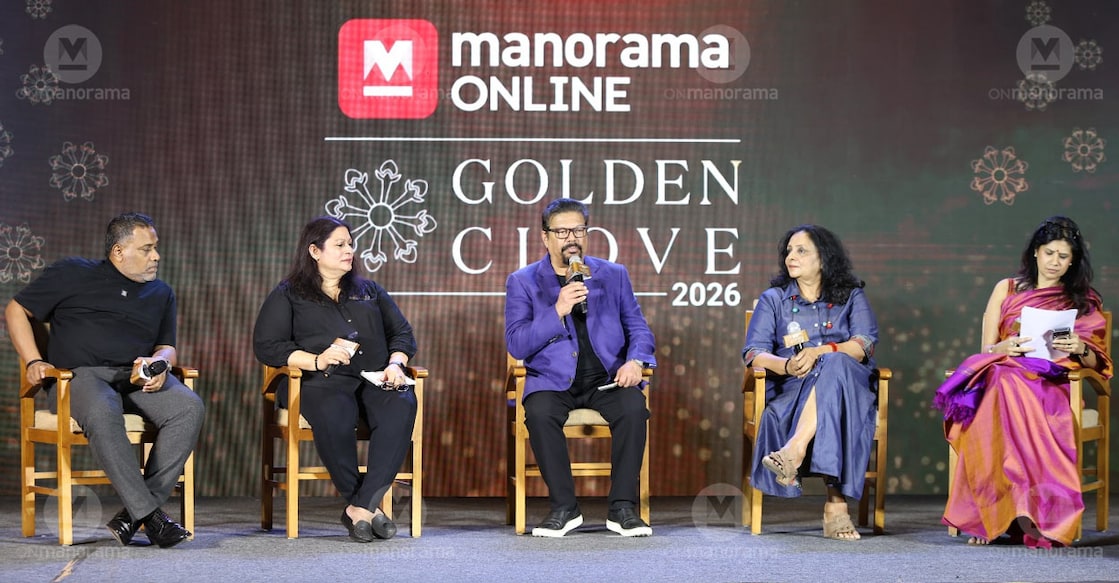
During a panel discussion moderated by Manorama Online CEO Mariam Mammen Mathew, Sanghvi elaborated on what he looks for in a Kerala restaurant. “I look for the spices, the variety,” he said, adding that Kerala’s culinary strength lies in its ability to absorb influences and elevate them. He also pointed out that Kerala’s biryanis have not received the recognition they deserve. “If you look at history, they seem to have been part of Kerala cuisine long before biryani was even invented. The biryani was invented during the time of Shah Jahan or Jahangir maybe, and it's a bit odd to think that a rider came all the way from Delhi carrying the recipe of biryani to the Kerala coast. I think these are dishes that Kerala invented,” he said.
Responding to a question on the growing preference for fast food even in global culinary hubs, Sanghvi said affordability plays a crucial role in shaping food choices. He noted that if quality food is made accessible at reasonable prices, diners are less likely to turn to fast food. He added that factors such as service, consistency and taste should be key benchmarks when evaluating a restaurant.

The panel discussion on 'What makes a Kerala restaurant truly great' brought together voices from across the culinary spectrum. Sumesh Govind, CEO of the Paragon Group, highlighted the distinctiveness of Malabar cuisine and its growing global appeal. Responding to a question on what non-Malayali diners seek at his restaurants abroad, he said authenticity remains key. While some initially preferred milder flavours, he noted a shift in recent years. “Now, many want the food as it is. Malabar cuisine is well balanced in its use of spices, which makes it appealing to a global palate,” he said.
Meanwhile, baker Tsarina Abrao Vacha spoke about how baked dishes found a place in Kerala’s food culture. “When bakeries came into Kerala’s culinary landscape, they brought something fresh and new. Bread, for instance, could be paired with existing curries, while cakes and cookies became easy, portable snacks. More than anything, it was the novelty that drew people in,” she said.
Chef Priya Mary Antony described cooking as a deeply creative and inspiring process. She observed that while many global dishes have found their way into Kerala kitchens, they are often adapted and embraced as local favourites. She added that eateries which serve food with warmth and care are often seen by customers as an extension of their own homes.
On a lighter note, chef Priya described seafood as the most overrated category in Kerala’s food scene, while Sumesh said he could not single out any dish, adding that he enjoys all kinds of food. When asked about dishes that left a lasting impact, Sumesh pointed to sashimi, while Tsarina said it was the food cooked by her husband.
Mariam Mammen Mathew also traced Manorama’s long association with food writing. She noted that Malayala Manorama’s first column in 1953 was dedicated to food, featuring the recipes of Mrs KM Mathew. She further noted that the Golden Clove Awards were conceived as a tribute to that legacy. She reflected on how Kerala’s flavours shift across regions, often tied to deeply personal and nostalgic memories.
The awards themselves reflected the diversity of Kerala’s dining scene, with categories ranging from traditional fare to contemporary global cuisines. More than 3,000 eateries competed this year, with 25 finalists making it through public voting. From among them, ‘1947: An Indian Restaurant’ was named the best restaurant in Kerala, alongside several other honours celebrating excellence across categories.
