

Mail This Article


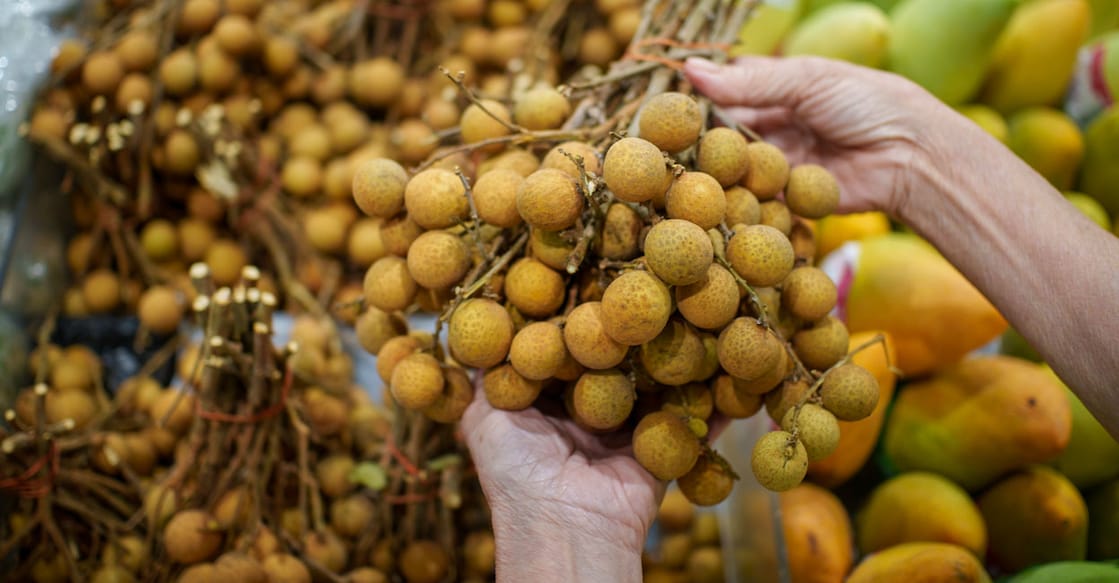
Rambutan may have grabbed the spotlight in Kerala's tropical fruit scene, but another Southeast Asian favourite is quietly gaining ground. Longan, often called the "dragon's eye fruit" because of its translucent flesh and dark seed, is finding a place in orchards across the state, and fetching impressive prices in the market.
Currently retailing at ₹300 to ₹450 per kilogram, longan is emerging as a promising crop for Kerala farmers. A four-year-old tree can yield around 5 kilograms of fruit, while mature trees can produce significantly more.
A tropical fruit with big potential
A close relative of rambutan and lychee, longan thrives in warm, humid climates. Agricultural experts say the evergreen tree adapts well to both Kerala's plains and high ranges, growing at elevations of over 1,500 feet above sea level.
Thailand remains the world's largest producer and exporter of longan, where it is considered one of the most profitable fruit crops. Longan juice, a popular beverage in Thailand and Malaysia, has helped boost the fruit's commercial appeal. Imported longans are already available in Indian metro cities, but the fruit is still relatively unfamiliar in smaller towns.

A collector's passion turned business
One of Kerala's most enthusiastic longan growers is Abdul Rasheed of Perinthattupulam in Malappuram district's Kodur panchayat. What began as an interest in exotic fruits during his travels through Thailand and Malaysia has evolved into a remarkable collection of more than 25 longan varieties.
His orchard features cultivars such as Double Longan, Ping Pong Ruby, Edostar, E-Daw, White Longan, Kohla, Diamond River, Four Season, New Crystal, Ponthong, Vietnam Tropical and Shogun. Many of these varieties are already fruiting successfully under Kerala's conditions.
Growing longan in Kerala
According to Rasheed, longan requires plenty of sunlight and does not need shade. Cultivation practices are similar to those followed for rambutan, with a recommended spacing of around 30 feet between trees.
The trees can grow tall if left unpruned, making regular pruning essential for commercial cultivation. One advantage is that longan has so far shown relatively low susceptibility to major pests and diseases in Kerala.
Most saplings are propagated through grafting. Organic manure is added during planting, and adequate irrigation and sunlight help ensure healthy growth.
Fruits in just three years
Many longan varieties begin bearing fruit within three years in Kerala's climate. Among the standout performers are Double Longan, White Longan, Ruby Longan, Ping Pong and Edostar, all of which have shown good yields and fruit quality.
Some varieties flower and fruit more than once a year. While the main flowering season is typically February and March, growers in producing countries often use sodium chlorate treatments to induce flowering in specific varieties. This practice is common in Thailand, particularly for commercial cultivars such as E-Daw and New Crystal.
Sweet, juicy and nutrient-rich
longan fruits do not continue ripening after harvest, so they must be picked only when fully mature. As the fruit ripens, its initial tartness gives way to a rich sweetness.
Beyond its flavour, longan is valued for its nutritional profile and is often marketed as an energy-boosting fruit. Its juicy flesh makes it ideal for fresh consumption, juices and other value-added products.
Kerala's next exotic fruit success story?
As consumer interest in imported and exotic fruits continues to grow, longan appears well-positioned to follow the path carved by rambutan and avocado. With strong market prices, growing demand and successful adaptation to local conditions, farmers and horticulture enthusiasts are beginning to view longan as one of Kerala's most promising new fruit crops.
For now, it remains a rarity. But if growers like Abdul Rasheed are any indication, longan's future in Kerala looks increasingly sweet.
Discover the flavours of Kerala with Onmanorama Food. Find easy recipes, traditional dishes, cooking hacks, food stories and recommendations for authentic eateries across Kerala. Stay informed with the latest developments from Kerala, inspiring travel stories, health updates and movie news on Onmanorama.
