

The ten leaves of monsoon: Kerala's forgotten seasonal greens
Mail This Article


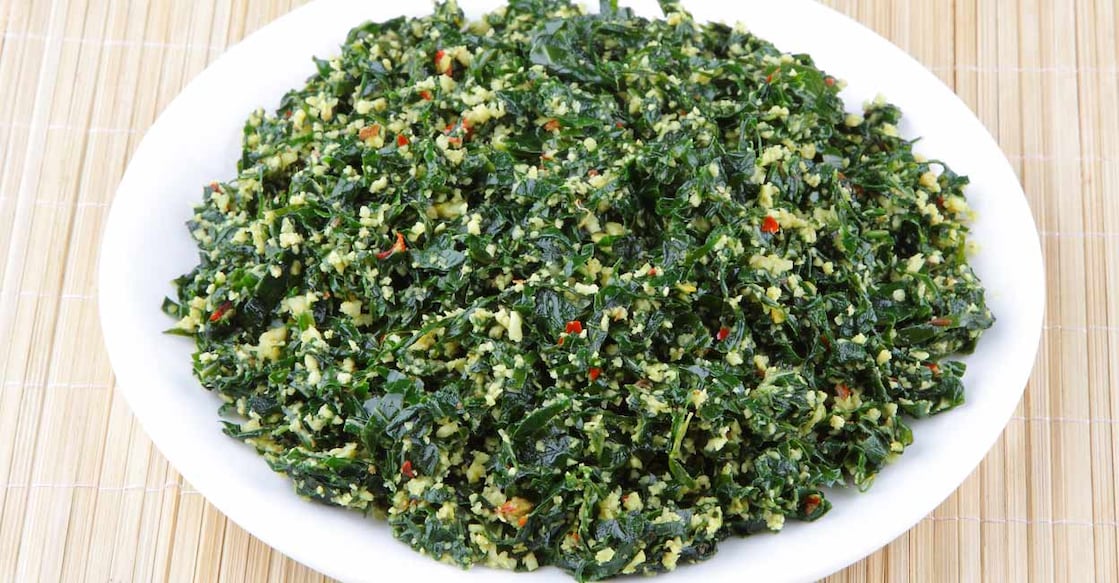
When the monsoon arrives in Kerala, kitchens begin to change. Hearty summer dishes give way to comforting porridges, herbal preparations and seasonal greens. Among the culinary traditions closely associated with Karkidakam, the last month of the Malayalam calendar, is the practice of preparing Pathila Thoran—a stir-fry made with ten different edible leaves.
For generations, households across Kerala gathered tender leaves from backyard gardens, paddy field edges and homestead compounds to make this seasonal dish. The practice, known as pathilavekkal or pathila curry, reflects a time when food and seasonality were deeply intertwined.
The exact combination of leaves varies from region to region. Some communities include cowpea leaves and thazhuthama, while others use ivy gourd leaves or local wild greens. What remains constant is the idea of bringing together a diverse mix of tender monsoon greens in a single dish.

The tradition is particularly associated with Karkidakam, a month that Ayurveda considers ideal for nourishing the body. Long before the term "seasonal eating" became fashionable, Kerala's food culture embraced the concept through dishes such as pathila curry, medicinal porridges and monsoon-specific preparations.
The ten leaves traditionally used
The composition of pathila differs across Kerala, but these are among the most commonly used leaves:
- Taal (Taro leaves, stalks and shoots)
Tender stalks and unopened leaves are used after careful preparation to reduce their natural itchiness. - Chena (Elephant yam shoots)
The tender emerging shoot and young leaf are prized ingredients in traditional pathila preparations. - Thakara (Sickle senna leaves)
A common medicinal plant in Kerala's countryside, valued for its distinctive taste. - Aanakodithoova (Stinging nettle-like wild green)
Known for the tiny hairs that can irritate the skin, it is carefully cleaned before cooking. - Kumbalam (Ash gourd leaves)
Young leaves add texture and blend well with coconut. - Mathan (Pumpkin leaves)
Tender pumpkin leaves are a staple ingredient in many regional versions of pathila. - Vellarikka (Cucumber leaves)
Mild-flavoured young leaves that contribute freshness to the mix. - Neyyunni (Balloon vine)
A familiar medicinal climber often found in homestead gardens. - Cheera (Amaranth greens)
Adds colour, softness and a familiar leafy flavour to the preparation. - Kachil (Greater yam / Dioscorea alata)
The tender vine leaves are traditionally included in many households. Known in Ayurveda as Varahi Kanda, kachil has long been valued as a seasonal food during the monsoon.
Many older Keralites refer to these greens as the true "gems in the compost heap"—plants that are often dismissed as weeds today but once occupied an important place on the dining table.
More than a recipe
Pathila is not just about nutrition. It tells the story of a food culture built around local biodiversity. Before supermarkets and packaged foods became common, families relied on seasonal ingredients growing within walking distance of their homes.
The dish also reflects Kerala's long-standing tradition of using leaves, shoots and tender stems that rarely feature in modern cooking. What was once everyday knowledge is now increasingly becoming a forgotten culinary heritage.
Today, pathila curry survives mainly in rural households, Ayurveda centres and among those keen to preserve traditional foodways. Yet every monsoon, the dish returns to remind people that some of Kerala's most remarkable ingredients are growing quietly in gardens and fields all around them.
Pathila thoran
Ingredients
- Tender leaves of ash gourd
- Tender pumpkin leaves
- Tender cucumber leaves
- Kachil leaves
- Vellari leaves
- Taro leaves
- Kumbalam leaves
- Aanachoriyanam (wild green)
- Elephant yam leaves/shoots
- Amaranth greens
- 1 onion, finely chopped
- 1 tsp garlic, chopped
- 1 tsp ginger, chopped
- 1 cup grated coconut
- ½ tsp turmeric powder
- 2 tsp crushed dried chillies
- 1 tsp mustard seeds
- Salt, to taste
- Coconut oil, as required
Preparation
- Wash all the leaves thoroughly and chop them finely.
- Heat coconut oil in an uruli or heavy-bottomed pan.
- Add mustard seeds and allow them to splutter.
- Add ginger and garlic and sauté until fragrant.
- Stir in the onion and a little salt. Cook until softened.
- Add turmeric powder and sauté briefly until the raw aroma disappears.
- Add the crushed chillies and cook for another minute.
- Add the chopped leaves and season with salt.
- Mix well, cover and cook on low heat.
- Once steam begins to build up, open the lid and stir.
- Add the grated coconut and combine thoroughly.
- Cover again and cook for a few more minutes.
- Finally, cook uncovered until the mixture becomes dry and resembles a traditional Kerala thoran.
- Serve hot with steamed rice and a simple curry.
In many Kerala homes, a serving of pathila thoran alongside rice and curry is considered one of the defining tastes of the monsoon season—a dish that captures the abundance of the rains in every bite.
