

A chicken dish for Karkidakam? North Kerala's monsoon remedy might surprise you
Mail This Article


Ask most Malayalis about Karkidakam food and the answer is almost always the same: kanji, pathila curries and herbal drinks. As the monsoon sets in and the Malayalam month of Karkidakam (mid-July to mid-August) begins, kitchens across Kerala turn to foods believed to nourish the body and help it cope with the damp, rainy season.
But in North Kerala, especially in the villages of Malabar and the interiors of Kozhikode district, another seasonal tradition has endured for generations. It centres around 'Kozhimarunnu' – a slow-cooked medicinal chicken preparation that is as much a family ritual as it is a recipe.
At a time when Karkidakam is associated with vegetarian fare and Ayurvedic practices, chicken may seem like an unlikely choice. Kozhimarunnu, however, isn't part of classical Ayurvedic medicine. It is a folk remedy passed down through generations, rooted in local knowledge of seasonal eating and home remedies.
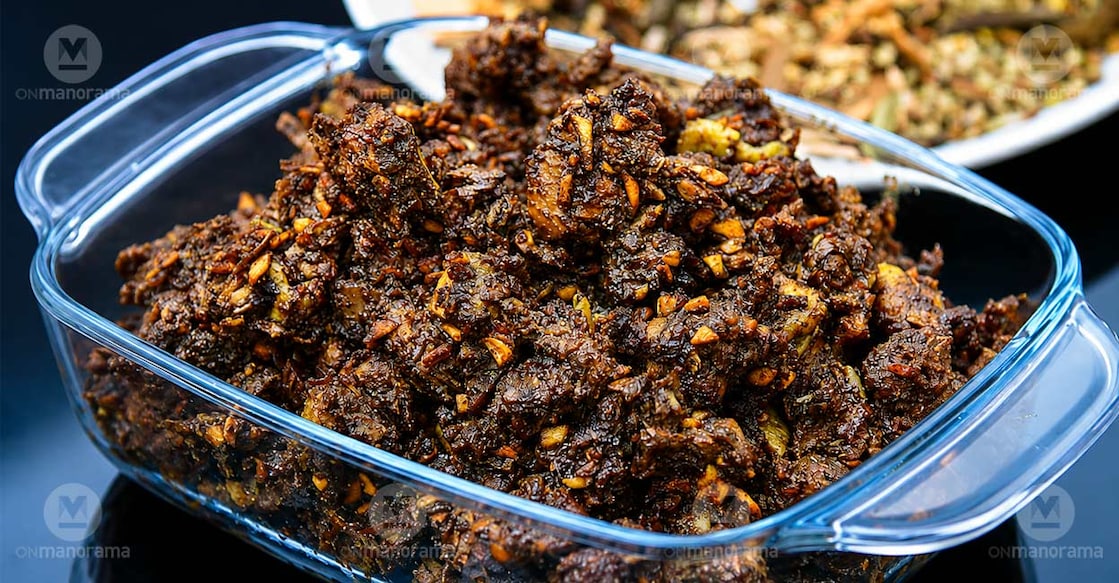
Made with country chicken, herbs, spices, sesame oil and plenty of shallots, the dish is cooked slowly until the masala turns dark, rich and glossy. Families have long believed it helps the body recover from fatigue and prepares it for the months ahead.
A tradition centred around women
In the old days, Karkidakam wasn't just about heavy rains. It was also a time for women to rest.
Across many villages in Kozhikode, married daughters would return to their maternal homes during Karkidakam. Mothers would be waiting with a pot of freshly prepared kozhimarunnu, made using home-reared country chicken and medicinal herbs gathered from the backyard or bought from local vaidyars.
The preparation was eaten over three days, followed by plenty of rest. According to local belief, this yearly ritual helped women regain their strength. It was also commonly prepared for women after childbirth.
The tradition offered something equally valuable: time to pause. In an era when women spent much of the year caring for their families, Karkidakam became a rare opportunity for mothers and daughters to focus on their own wellbeing.
Today, while many families no longer follow the custom in the same way, kozhimarunnu continues to be prepared in homes across North Kerala. Ready-made herbal mixes are also available at traditional herbal shops, making the recipe easier to prepare.
Here's how to make Kozhimarunnu (medicinal chicken) at home:
Ingredients
- 1 country chicken, cut into small pieces
- 1 kg shallots, peeled and sliced
- 200 ml sesame oil
- 2 tbsp ghee
- Rock salt, to taste
- 1 packet kozhimarunnu herbal mix
For the herbal decoction
- A handful of kurunthotti (Sida cordifolia)
- A handful of karinkurinji (Strobilanthes ciliatus)
- 1.5 litres water
Preparation
Prepare the herbal decoction by boiling the kurunthotti and karinkurinji in 1.5 litres of water until the liquid reduces by half. Strain and set it aside.
Place the country chicken in a large pot and pour the decoction over it. Cook over a low flame until the meat is partly done.
Add the sliced shallots, rock salt, sesame oil, ghee and the kozhimarunnu herbal mix. Continue cooking over a low flame, stirring occasionally.
Cook until the moisture has evaporated and the oil rises to the surface. The chicken should be tender and coated in a thick, dark masala.
Allow it to cool completely before storing it in a clean container. Traditionally, it keeps for several days without refrigeration if handled properly.
How it is eaten
Traditionally, kozhimarunnu is eaten over three consecutive days during Karkidakam, usually with a light rice gruel or kanji.
Families also followed certain dietary practices while consuming it. Drinking water immediately after the meal was avoided, complete rest was encouraged and refrigerated or sour foods were generally kept off the menu. These practices are part of local tradition rather than medically established recommendations.
Traditional beliefs
In many Malabar households, kozhimarunnu is believed to:
- Improve overall health and vitality
- Build physical strength
- Help the body recover after illness or strenuous work
- Restore warmth during the damp monsoon season
- Support recovery after childbirth
Traditionally, the preparation is considered unsuitable for children. Older adults and people with existing medical conditions are also generally advised to avoid it. These beliefs are based on local folk traditions and have not been established by scientific evidence.
Jeerakakozhi soup
Another traditional monsoon preparation from North Kerala is 'Jeerakakozhi soup'.
Unlike kozhimarunnu, which was mainly prepared for women, jeerakakozhi soup was enjoyed by the whole family. Made with country chicken, cumin, pepper, coconut milk and bone marrow, the nourishing soup was considered especially suitable during the rainy season and was also commonly served to women after childbirth.
