

All food comes from the earth. But can it feed us forever?
Mail This Article


Behind every meal on our dinner table lies an intricate web of life connecting soil, water, livestock, farming communities, and human effort. Safe food nourishes our bodies and bolsters immunity, but addressing global food security requires looking far beyond human health alone. To build a resilient future, we must adopt a One Health perspective—recognising that human, animal, and environmental health are fundamentally interconnected.
A global call to action
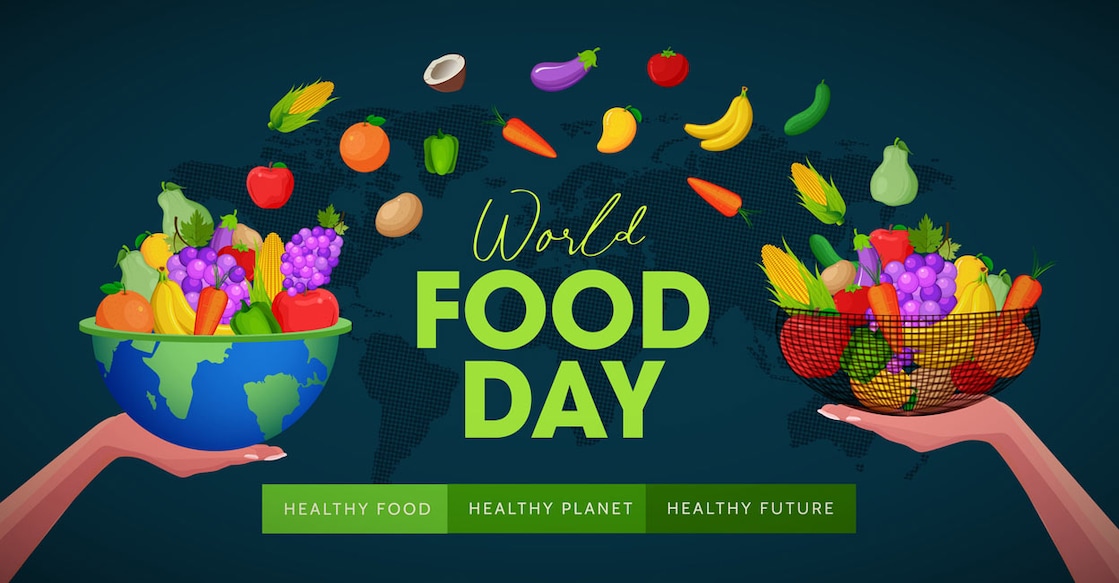
Observed annually on 16 October, World Food Day marks the founding of the Food and Agriculture Organization (FAO) of the UN in 1945. This year's theme, "Innovate today, nourish tomorrow", emphasises the critical need to discover and scale up new solutions across agriculture, animal husbandry, food production, nutrition, and natural resource conservation. By combining scientific knowledge, local expertise, modern technology, and collective community action, we can overhaul our global food systems.

The global hunger crisis
World Food Day serves as a sobering reminder of global inequities. According to the latest UN report (SOFI 2026), approximately 64.5 crore people experienced hunger in 2025. Although figures have gradually declined for three consecutive years, the goal of achieving a hunger-free world by 2030 remains a steep challenge. Beyond outright starvation, around 270 crore people cannot afford a healthy, balanced diet. True food security is not just about filling stomachs; it requires accessible, safe, diverse, and nutrient-dense food for all, tackling the dual burden of malnutrition and obesity coexisting in the same societies.
Food safety as a shared responsibility
Food passes through numerous vulnerable stages before reaching our plates—from farms and barns to storage, distribution, processing, marketing, and cooking. Negligence at any point can trigger foodborne illnesses or facilitate the spread of zoonotic diseases transmitted from animals to humans. Safeguarding our food chain demands a multi-disciplinary effort involving healthcare professionals, veterinary doctors, farmers, food safety officials, environmental scientists, and local authorities. Advanced diagnostic tools, scientific monitoring, efficient storage methods, and community-led initiatives are vital to strengthening this chain.
Animal welfare and public health
Animal-derived products such as milk, eggs, and meat form a major portion of global diets. Protecting livestock health is directly linked to human well-being. For instance, brucellosis—a disease transmitted from cattle and goats—can spread to humans through unpasteurised milk or direct contact during animal births. Furthermore, the misuse and overuse of antimicrobial drugs in humans and livestock have fuelled the rise of drug-resistant superbugs, creating a severe One Health threat. Responsible antibiotic usage, robust vaccination programmes, accurate disease diagnosis, and scientific treatments are crucial to safeguarding tomorrow's food systems.
Environmental sustainability and healthy soils
All food originates in the earth. Without healthy soil, clean water, and rich biodiversity, a safe food system cannot survive. Climate change, water scarcity, soil degradation, and biodiversity loss directly jeopardise crop yields and human health. The future belongs to sustainable food systems that minimise pollution, protect soil and water, and respect animal welfare. Implementing water conservation, climate-smart farming techniques, and efficient resource management must become top priorities.
Combating food waste
Addressing food waste in households, restaurants, and social gatherings is equally essential. Throwing away food squanders not only agricultural labour but also precious environmental resources. Practising responsible consumption—serving only what is needed, reusing leftovers safely, and minimising organic waste—is a simple yet powerful action everyone can take. Minimising food waste is more than a cost-saving measure; it is a mark of respect for farmers and nature.
Practical rules for food safety
To maintain safe eating habits at home, keep the following guidelines in mind:
- Maintain hygiene: Wash hands thoroughly with soap before preparing or eating food. Rinse fruits and vegetables meticulously under running water.
- Prevent cross-contamination: Use separate cutting boards and utensils for raw meat, fish, and eggs.
- Cook thoroughly: Ensure meat, fish, and eggs are completely cooked before consumption, and always boil milk properly.
- Store at safe temperatures: Do not leave cooked food at room temperature for extended periods; refrigerate leftovers promptly.
- Use safe water and fresh ingredients: Cook with clean, potable water and always check expiry dates before purchasing food.
- Use medications responsibly: Never administer antibiotics to humans or animals without a qualified doctor's prescription.
Empowering the next generation
The One Health framework is not limited to experts; every individual plays a key role. Choosing safe food, reducing waste, adopting eco-friendly habits, using agrochemicals responsibly, and supporting animal vaccination all contribute to a healthier planet. Young people, with their affinity for technology and fresh perspectives, are uniquely positioned to drive this transformation. By testing creative ideas in agriculture, waste management, disease prevention, and environmental protection, the youth can shape a resilient food future aligned with the Sustainable Development Goals.
