

Food allergies and poisoning are not the same: Renowned doctor explains the difference, symptoms, tips
Mail This Article


If you feel an intense reaction after having a dish, should it be considered a food allergy or poisoning? Many people find this confusing. Moreover, even today, food poisoning symptoms caused by unhealthy or unhygienic food are considered a minor health issue. However, if not treated properly on time, both could get dangerous. Dr B Padmakumar, Principal of the Medical College, Alappuzha, explains the difference between food poisoning and allergies, the causes of food poisoning, its symptoms, the most dangerous conditions, and more.
Food poisoning reasons
Many pathogens, such as bacteria, viruses, and parasites, enter the body through unhygienically prepared food. Food poisoning can also occur due to toxins present in the cooked food or its ingredients. Undercooked meat, fish and unpasteurized milk increase the risk of food poisoning.

Note these symptoms
The symptoms of food poisoning may appear within a few minutes to a few hours after eating. Stomach pain, diarrhoea, vomiting, fever, body pain, exhaustion and dehydration are some of the prominent symptoms of food poisoning.
Botulism
Botulism, caused by the bacterium Clostridium botulinum, is the most dangerous condition in cases of food poisoning. This bacterium is mostly found in seafood and in packaged and tinned foods. The symptoms include blurred vision, difficulty swallowing and excessive tiredness. The death rate of this condition is up to 30 percent as it affects the nervous system.
Food allergies and food poisoning
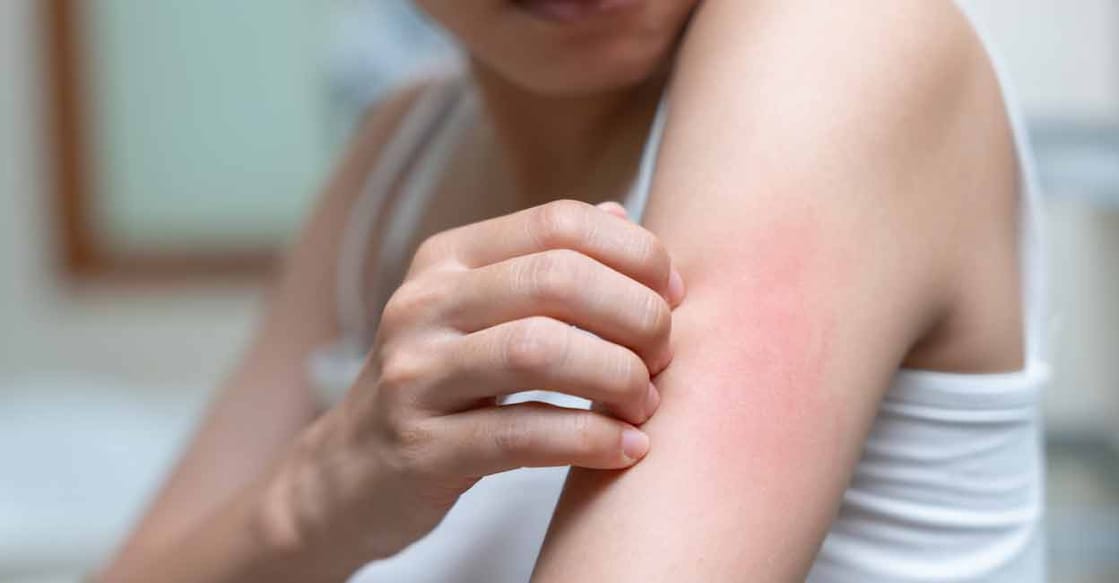
Most people mistake food allergies for food poisoning. While food poisoning affects a group of people, an allergic reaction is mainly triggered by unique physical factors of an individual. The preservatives that are added to food may be allergens for some people. Seafood such as mackerel, sardines, crab, and prawns can also trigger allergies in many. Breathlessness, itchy, and swollen skin are the main symptoms of food allergies.
How to prevent food poisoning
The place where the food is cooked and served should be clean and hygienic. Cooking the food properly would kill the viruses and bacteria. Avoid reheating refrigerated food multiple times. The quality and hygiene of a food item, too, should be considered along with its taste.
