

Pullet, not bullet: The truth behind the tiny, cheap eggs sparking internet rumours
Mail This Article


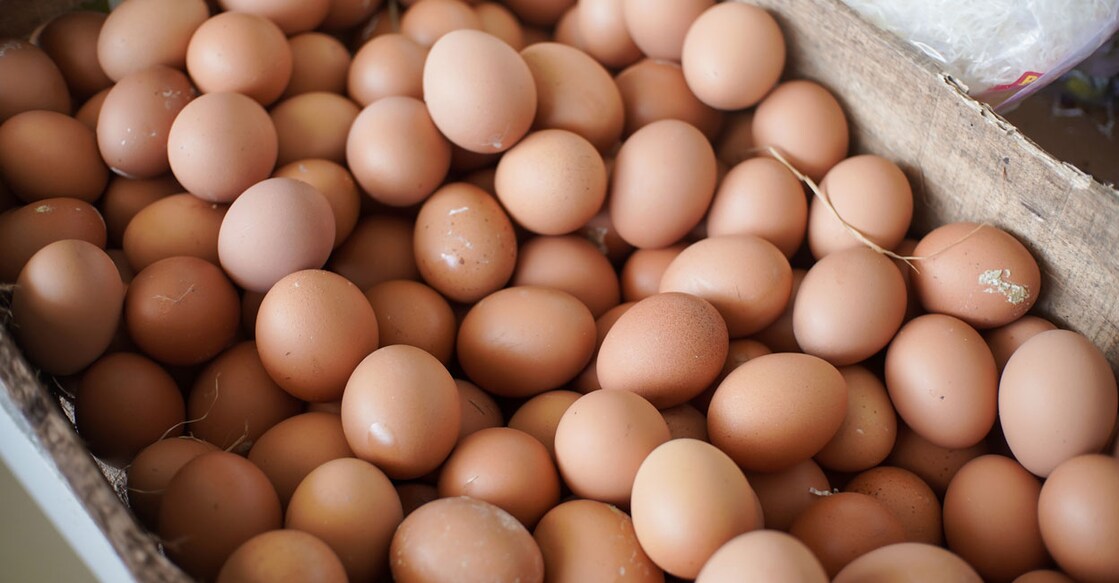
Recent reports on 'bullet eggs' circulating on social media and some news platforms have sparked concern and curiosity over a supposedly new variety of eggs. However, there is no such scientific or commercial term in poultry. The viral claims are simply a classic case of misheard terminology, and the correct term is 'pullet eggs'. Dr Harikrishnan S, Assistant Professor at the Veterinary and Animal Sciences University, explains what makes these eggs different from the rest.
Understanding pullet eggs
A pullet is a young female chicken that has just reached maturity and is ready to start laying eggs. During the first three to four weeks of their laying cycle, these young hens produce eggs that are significantly smaller than the standard size. As the hens mature, their eggs gradually increase in size, reaching standard proportions in about a month. For poultry farmers and those in the agricultural sector, pullet eggs are a completely standard and well-understood phenomenon.

Why are they so cheap?
Due to their smaller size, pullet eggs are sold at a lower price point than standard eggs. This discount has absolutely nothing to do with poor quality, nutritional deficiency, or health risks. Much like buying smaller-grade fruits or vegetables at a lower market price, the discount is solely a reflection of volume and weight. Somewhere along the supply chain, the word 'pullet' was mispronounced as 'bullet', giving rise to unnecessary health scares and conspiracy theories.
Viral poultry diseases vs abnormal eggs
The viral rumours also conflated pullet eggs with the physical abnormalities caused by avian diseases. It is true that chickens suffering from viral infections such as Infectious Bronchitis (IB) or Newcastle Disease (ND) can lay abnormally shaped eggs. These eggs may have extremely thin shells, rough textures, or deep wrinkles. While these distorted eggs rarely reach retail shelves, consumers are advised to avoid purchasing or eating eggs with visible structural deformities. However, it is vital to understand that these diseased eggs have absolutely no relation to safe, small pullet eggs.
Addressing salmonella and food safety
Another primary concern for consumers is the risk of Salmonella infection. In modern, registered commercial poultry farms, regular Salmonella monitoring and testing of the parent stock are standard practice. Because of these stringent protocols, eggs sourced from licensed, reputable distributors are highly secure and safe for consumption.
Essential safety guidelines for egg consumers
To ensure absolute food safety, consumers should adopt the following healthy practices:
• Always buy eggs from reputable, hygienic shops and established brands.
• Wash eggs with clean, ambient-temperature water before storing them in the refrigerator.
• Never consume raw or undercooked eggs; make sure they are thoroughly cooked.
• Discard any eggs that are cracked, leaking, or visibly contaminated.
The crucial role of fact-checking
When publicising scientific and agricultural topics, rigorous fact-checking is vital to prevent public panic. Consulting veterinary experts, animal husbandry departments, or veterinary university faculty before publishing would have easily debunked the 'bullet egg' myth. Conflating harmless pullet eggs with viral chicken diseases and Salmonella safety concerns only breeds unwarranted anxiety. Accurate scientific communication is the most effective tool for building consumer trust and fostering healthy dietary habits.
 Add as a preferred source on Google