

Living the 'sugar' life: Doctor decodes the ideal Malayali diet for diabetes
Mail This Article


Diabetes mellitus, or 'sugar,' as Malayalis call it, is a chronic condition that affects a sizeable population in Keralam, and it has even earned the state the title of ' Diabetes hotspot '. Older adults, youngsters, rural and urban populations in the state suffer from the condition that calls for major lifestyle adjustments and medications. One question that bothers many is: What is an ideal, impactful diet for a person who suffers from diabetes?
Dr Antresa Jose, Consultant of Adult and Pediatric Endocrinology at the Mar Sleeva Medicity, Palai, explains how a Malayali diabetic eats for better results.

The right diet
Dr Antresa clarifies that there is no single diet that can be applied to every diabetic person. "It will change depending on the diabetic individual's age, gender, physical activity, strength training routines, whether they have any kidney or liver diseases and pregnancy," she says. At the same time, a healthy adult who has diabetes can have a normal Kerala diet for breakfast, lunch and dinner, she says. The only tweaking required is ensuring that every meal has portions of carbohydrates, vegetables and protein, she says.
Breakfast tips
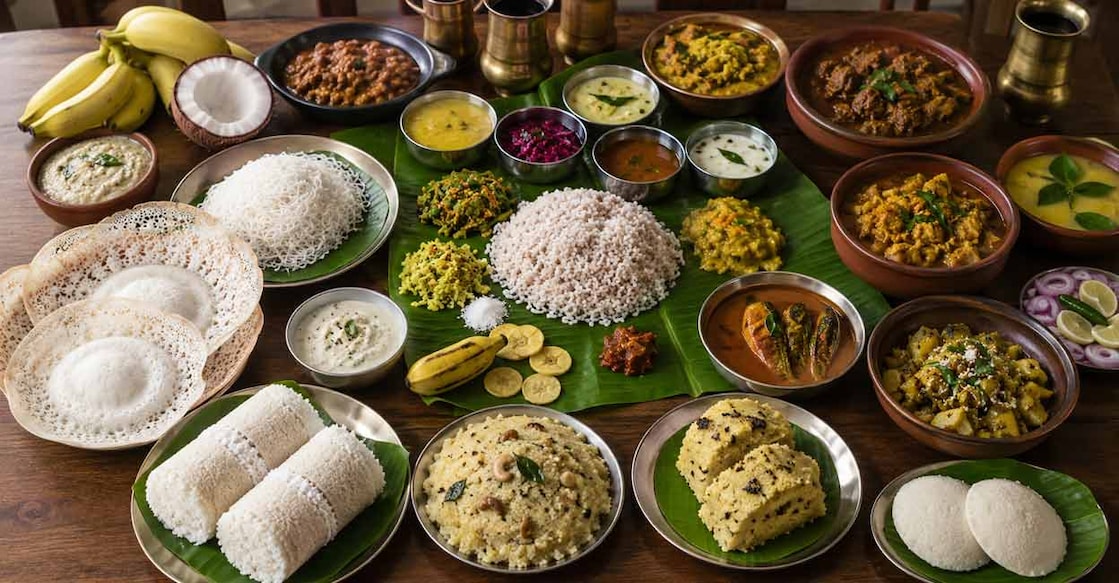
For breakfast, a Malayali can have their traditional idli, dosa, puttu, upma or similar dishes. However, make sure that the curries are also used proportionally. "For example, don't have five idlis and a small cup of sambar. The portion size of the idli should justify that of the curry," the doctor says. After breakfast, a small snack around 11 am or somewhere before lunch would also be helpful, she says. "A fruit, like an apple or guava, or a small slice of watermelon, with some buttermilk; along with tea or coffee with low-fat milk can be a good pre-lunch snack," Dr Antresa explains.
Lunch tips
Worried you can't say no to your rice for lunch? No worries. Dr Antresa says a small portion of traditional rice with thoran, moru(buttermilk) curry, parippu(dal/lentils) curry, fish or chicken curries is a good meal for a diabetic. "There should be enough vegetables and protein, corresponding to the carbohydrates, that's all," explains the doctor.
What not to eat for a 4 pm snack
Many Malayalis go for carb-rich snacks at 4 pm with their coffee, but the doctor says they are best avoided. "The generally consumed arrowroot, diet and protein biscuits are made of palm oil, hydrogenated vegetable oils and maida. Therefore, check the labels mindfully while buying such items and avoid similar foods," she says.

A few healthy options are the following:
a) Unroasted nuts
b) A handful of almonds, groundnuts or cashews
c) If the person is active, they can opt for poha or ilayada, without jaggery or any similar sweeteners.
Dinner tips
Along with a little carbs, ensure protein and veggies for dinner too. What matters the most is to ensure that the carbs for dinner are whole-grain (unpolished, whole grains) rice, oats, ragi or wheat. Also, it's important to have dinner before 7.30 or 8 pm. If a person still feels hungry after 9 pm or takes a nighttime insulin, go for the following:
a) A glass of low-fat milk
b) A handful of nuts
c) Two egg whites
Including millets in the diet
Millets are also a form of carbohydrates. Therefore, having just them alone won't be helpful, explains the doctor. "Rather, pair them with vegetables and protein. This is when you can take advantage of their fibre, minerals and nutrients that make them different from other types of carbs," Dr Antresa adds.
