

Kerala's powerful herb used in cancer, depression medications: Ayurvedic physician explains benefits
Mail This Article


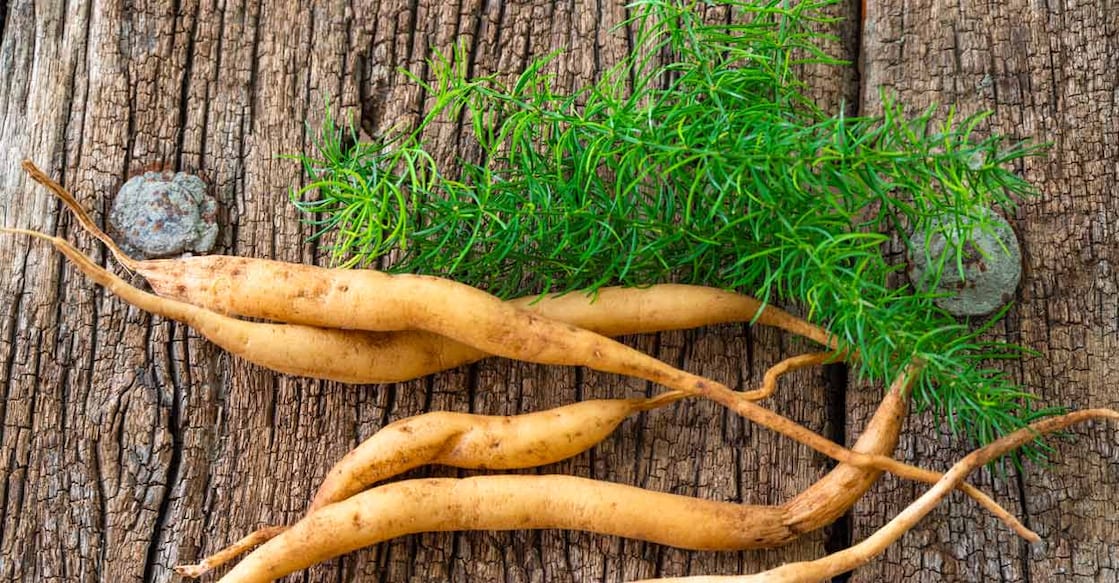
Satavari, or Asparagus racemosus, is a popular herb used in traditional medicine in Kerala for centuries. The significance of satavari in Ayurveda is mentioned in the Rig Veda and Atharva Veda. Meanwhile, it is also hailed as a sahasramooli or the herb with 1,000 medicinal qualities. It is also widely seen in Indian states like Arunachal Pradesh, Assam, Chhattisgarh, Kerala, Karnataka, Goa, Tamil Nadu, Delhi, Gujarat, Haryana, Himachal Pradesh and Jharkhand. Besides India, satavari is also found in Africa, Australia, China, Nepal and Sri Lanka. Dr KS Rajithan of Kerala's Oushadhi Panchakarma Hospital explains the medicinal qualities, nutrient content, and various uses of the herb.
Medicinal qualities
The root, stem and leaves of satavari are used in various medicinal concoctions. They are mostly used in ayurvedic medicines that are prescribed for a shortage of breastmilk, diabetes, inflammation, male and female infertility, cancer, depression, fever, excessive body heat, stomach ulcer, viral infection, excessive bleeding in women, exhaustion, skin diseases and anxiety.
Nutrient-dense herb
Satavari is rich in protein, fat, carbohydrates, water, fibre, asparagine, polysaccharides and isoflavones. Besides, it is also loaded with vitamins A, C, B, B12, B13, , B5 and B6 as well as calcium, magnesium, phosphorous, potassium, zinc and manganese.

Medicinal uses
Half a teaspoon of satavari paste could be mixed in milk or honey and had twice a day to prevent excessive bleeding in women. It would be effective if this medicine is taken at noon and at night after a meal. Satavari is widely used as an herb to increase breastmilk production in nursing mothers. Half a teaspoon of satavari paste mixed in milk or honey can be taken twice a day after meals to increase breastmilk production and prevent constipation.
Satavari can cure stomach ulcers by reducing gut acidity. Half a teaspoon of satavari paste can be mixed into a glass of milk and enjoyed before meals at noon and night to help control diabetes. A few studies report that taking satavari extract daily increases insulin production in pancreatic beta cells. Satavari is widely considered an excellent medicine that could regulate diabetes related problems. It reduces anxiety and excessive anger in diabetic patients.
Satavari also contains sapogenin, a compound that enhances the body’s immune function. This effectively fights against viruses, keeping you healthy. Satavari is often hailed as nature's antibiotic for its incredible antiviral properties. Half a teaspoon of asparagus paste and half a teaspoon of ashwaganda paste could be boiled in milk and had twice every day to effectively tackle infertility among men and women.
A medicinal concoction made by boiling 15 grams each of satavari root, gooseberry skin, kolarakku (laccifer lacca) and tender coconut flower buds in 1.5 litres of water, then reducing it to 350 ml, is prescribed for maintaining bone health in women. 75 ml of this medicine should be taken with sugar or rock candies twice a day to strengthen the bones. Urinary infections can be treated by mixing 25 ml of asparagus extract with a quarter teaspoon of njerinjil (Tribulus terrestris) powder.
Note: The medicinal concoctions and prescriptions mentioned here should only be consumed after discussing with your healthcare provider.
 Add as a preferred source on Google