

This fruit looks scary, but can help manage diabetes
Mail This Article


The fruit markets of Kerala are moving away from the regular banana-mango-grapes pattern of late, and many nutritious, exotic fruits are slowly finding a place on their shelves and in our shopping bags. Salak, also known as snake fruit, is one of them. A fruit with a complex flavour that reminds one of apples, jackfruit, citrus fruits, bananas, and pineapples; it is increasingly grown in some of our households as well and is being added to salads, candies, and even blended into juices or smoothies.
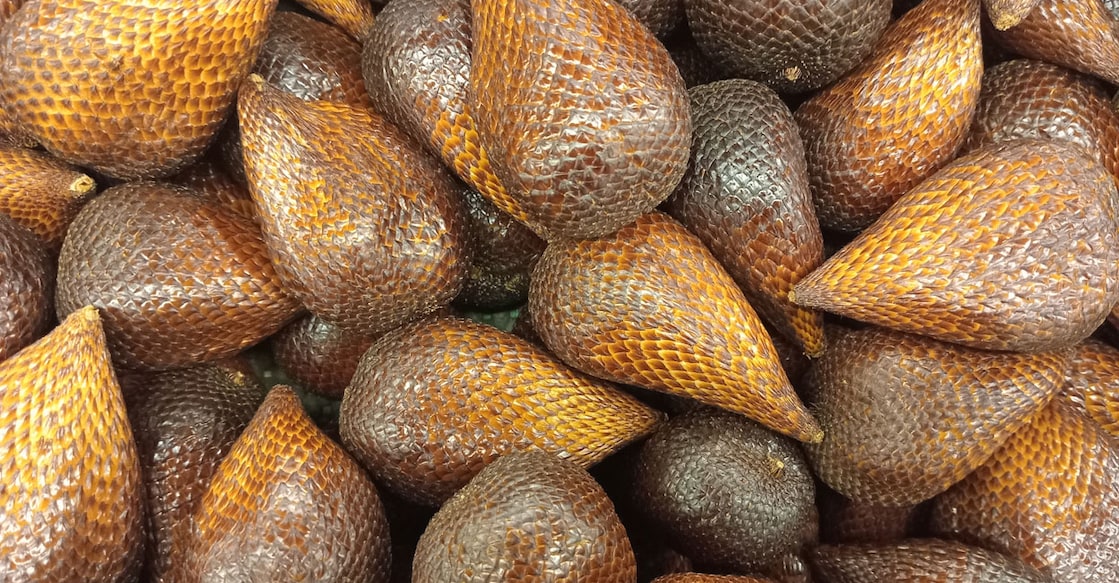
This fruit apparently has more nutritional benefits than apples, mangoes and kiwis, yet it remains largely unnoticed in the global market. Scientifically known as Salacca, this fruit is native to Southeast Asian countries. Its name, 'snake fruit', comes from its scaly outer skin, which resembles snake skin. In Malaysia and Indonesia, it is known as 'salak', and in Thailand, as 'Sala'.
What is snake fruit?
Salak thrives in the lush rainforests of Southeast Asia. This fruit grows on a small, evergreen, palm-like plant in the family Arecaceae. This plant, which grows only 1 to 5 meters tall, is native to the islands of Java and Sumatra in Indonesia and Malaysia. Although there are about 20 species in the genus Salacca, 'Salacca zalacca' is the most commercially cultivated.

Although this plant flowers up to four times a year (in January, April, July, and October), only the flowers in April and October typically bear fruit. This is the beginning of the dry season in Southeast Asia. Harvesting is mainly done in May and December, with the highest production occurring in December.
A treasure trove of nutrients
Snake fruit is a vast repository of antioxidants. It is rich in vitamins, minerals, and phenolic compounds that help boost the human immune system and reduce oxidative stress. The high levels of Vitamin C, organic acids, and polyphenols present in it protect the health of body cells. According to studies, snake fruit has been shown to have the potential to prevent cancer, help control cholesterol, and even manage diabetes when consumed in the right amounts. The fruit has a moderate glycemic index and also contains dietary fibre. This can help prevent rapid blood sugar spikes compared with other fruits. Beyond food consumption, its antioxidants are also in high demand in the cosmetic and pharmaceutical industries.
What's a healthy amount?
About 100 grams of salak a day is considered optimal, according to various health portals. Mixing it with nuts and chia seeds can slower down the glucose absorption and also ensure satiety.
