

Satheesan strikes a chord with LDF for carbon-neutral Kerala, but climate experts are skeptical

Mail This Article


If there was one point where Chief Minister V D Satheesan seemed to align with the LDF in his Budget speech on Friday, it was carbon-neutral Kerala. In his revised budget for 2026-27, Satheesan dreams of a completely carbon-neutral state by 2050. He wants to achieve this target through agricultural practices that increase soil carbon and promotion of carbon sequestration. The announcement will make the LDF proud. Carbon-neutral Kerala has been a recurring feature in the previous state budgets as well.
Experts, however, say that significant shifts in policy and practice will be required to achieve this ambitious target. According to Sanjo Jose, Assistant Professor of Climate Change Adaptation at the College of Climate Change and Environmental Science, Kerala Agricultural University (KAU), Kerala currently has no fully carbon-neutral regions. While places such as Meenangadi and Kunnamkulam were earlier declared carbon-neutral based on pilot studies, questions were later raised about the methodology used, he said.
Emission is a key concern and a large-scale transition to renewable energy would be essential to attain carbon neutrality, he added. But even then, challenges exist. Transport, residential energy, industrial energy, and domestic wastewater categories together account for 80.17% of Kerala’s total gross emissions, according to the Green House Gas portal maintained by the state
The government will have to aggressively adopt mitigation strategies, which would include expanding tree cover, afforestation, restoration of degraded green land, improved waste management, and a greater push for electric vehicles.
"Green tax could generate revenue for the government to manage climate-related disasters and rehabilitation efforts, though it could also increase product costs and affect demand. Hydrogen energy is another emerging option worth exploring," said Sanjo.
According to the findings published in the state's environment budget 2026-27, Kerala’s total GHG emissions for 2021 stood at 21.86 million tonnes of CO₂ equivalent (MtCO₂e), reflecting a 6.8% reduction compared to 2005 levels. This relatively stable emission trajectory underscores the state’s progress along a low-carbon development path, the report notes.
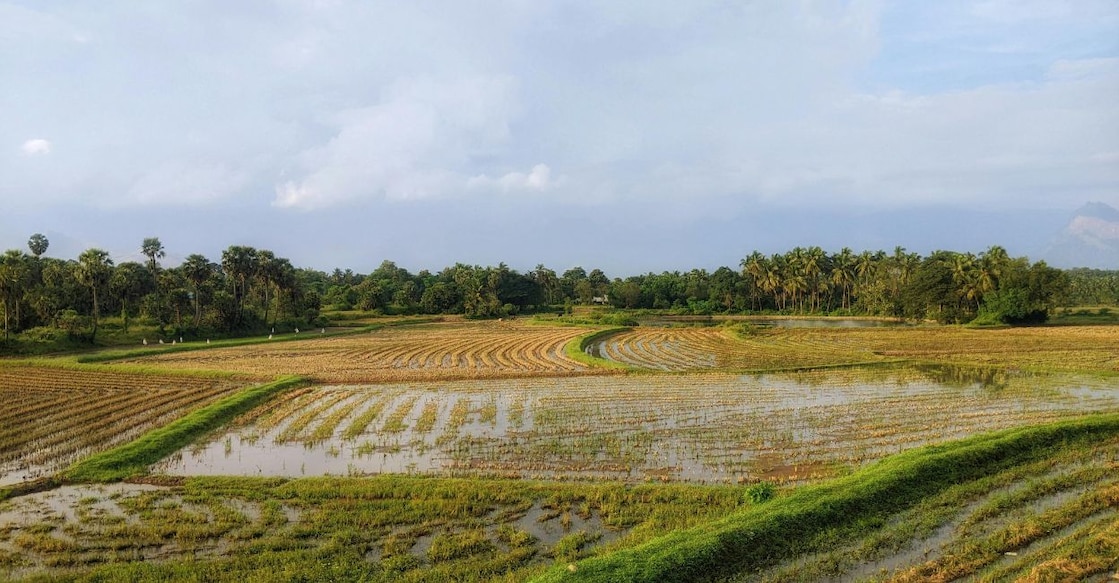
The Budget proposes a framework to promote carbon farming and enable farmers to earn carbon credits through a state-level mechanism. However, such a system does not yet exist in Kerala.
C Jayakumar, Executive Director of Environmental Organisation, Thanal, said currently only a voluntary carbon trading market exists, and there is no formal regulated market in place in India yet. He added that the Centre is working on a framework, which is expected to be operational by 2027. "At the same time, the Budget mentions a lot of ideas that use waterways for transportation, which could move in terms of becoming carbon neutral, but this is not linked to the concept," Jayakumar added.
Sanjo also stressed the importance of public participation. “This cannot be achieved by the government alone. The public must be made aware and actively involved in sustainability efforts,” he said.
