

Onam feast packed with modern technology: How healthy is retort-packed sadya? Dietician explains

Mail This Article


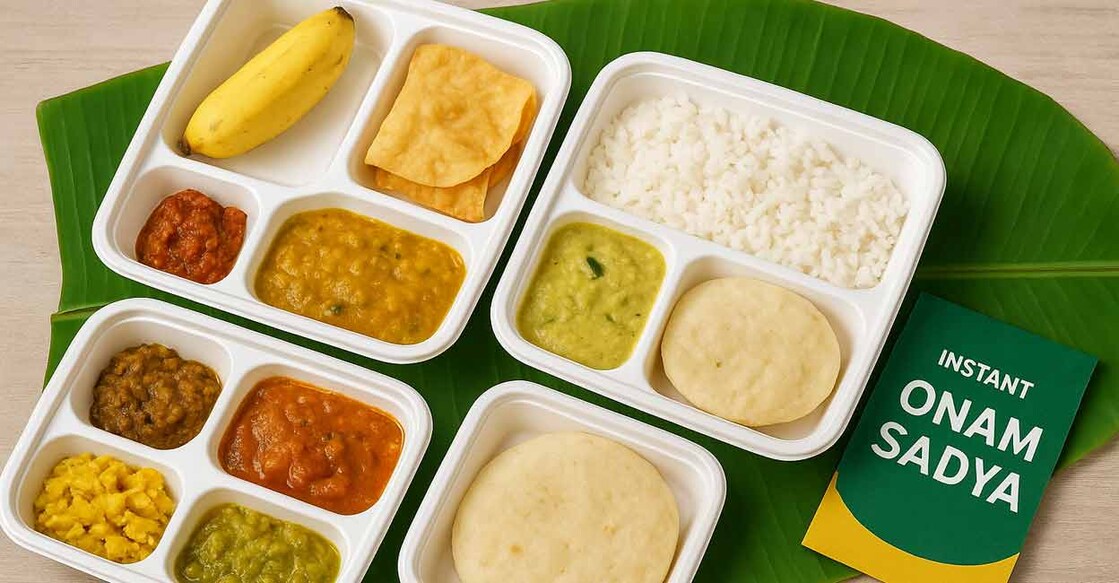
The 51 'big cats' from Thrissur's Ayyanthol, who will dance down the streets this Onam season, will be given a unique treat — sadya preserved with modern technology. The meal can stay fresh for up to two years, according to the makers. The initiative for pulikali (folk performance in which people dress up as tigers) artistes, launched by the Ayyanthol Desham (the regional committee of the Pulikali event), is to help them not miss Onam sadya despite being busy with their performances on the day.
Similarly, Onam sadya, packed with retort technology that apparently helps preserve it for a long time, is now depended on by many, especially non-resident Malayalis. The shelves of Kerala supermarkets also have many items packed following this technology, assuring users that no preservatives are used and it's all a magic of technology. However, are such foods truly good for your health?

What is retort technology?
Under the retort packing process, microbes are killed by sterilising food packets at a very high pressure and temperature in a machine. Retort-packed food is widely used by people living in remote or challenging terrains with limited access to fresh supplies, including army personnel. According to the National Institute of Health, optimised retort processing of food is generally developed for each dish, depending on its nature.
How healthy is retort-packed sadya?
According to Kochi-based dietician Dr Mumtaz Khalid Ismail, retort-packing is very helpful to improve the shelf life of foods. "The foods generally get a shelf life of up to 18 months, due to the technology and the double packing. However, it can affect the nutritional quality of the foods in the following ways," she says, and explains:
1) It can destroy the vitamins, micronutrients, enzymes and minerals of the foods due to the high heating process for sterilisation.
2) The linking chemicals and nanoparticles from the packaging can seep into the food.
3) As no other preservatives are added, makers might overuse salt and sugar, which are natural preservatives. This can affect health.
4) Over-reliance on such foods can also affect the human digestive system, due to the presence of elements like zinc oxide that hinder nutrient absorption.
Note: Consuming such foods once in a while isn't harmful, but regular consumption can be detrimental to health. Freshly-made natural foods are better than any processed food.
 Add as a preferred source on Google