

Why was drumstick soup served to Putin? The right daily dosage
Mail This Article


Drumstick, an integral part of India’s staple diet for generations, recently gained global attention. This happened after drumstick soup was served during Russian President Vladimir Putin’s visit to India. So, what could be the reason for including drumstick soup in the banquet hosted by the Prime Minister and the President? Prime Minister Narendra Modi spoke about the significance of drumstick soup at the agriculture summit in Coimbatore, Tamil Nadu. Shortly afterwards, drumstick was also served as a main dish at the banquet organised for Putin.
Health benefits of drumstick
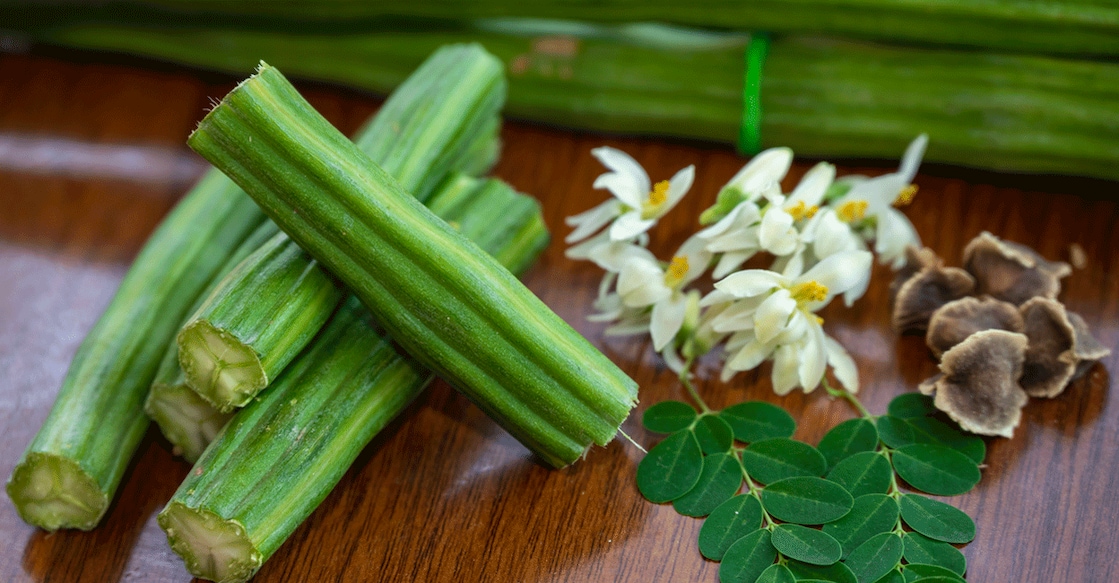
Many people scoff at serving drumstick leaf stir‑fry (muringayila thoran) with meals. However, the same dislike does not extend to drumstick fruit, which is used in fish curry, sambar, and other gravies. Drumstick flowers are also rarely used as food. Still, a few people enjoy curry made with drumstick flowers mixed with eggs. Drumstick should be viewed as being as useful as the coconut tree and plantain, because each part of the plant is nutritious and rich in medicinal properties. Although drumstick contains some anti‑nutritional components, these change during cooking.

Drumstick and its fruit are rich in calcium, potassium, zinc, magnesium, iron, copper, nicotinic acid, and vitamins C, D, and A. They also contain organic compounds that boost immunity, such as tannins, phytosterols, terpenoids, flavonoids, saponins, anthocyanins, alkaloids and reducing sugar.
Leaves, the superfood
Drumstick leaves contain seven times more vitamin C than oranges, ten times more provitamin A, and fifteen times more potassium than many fruits. While 8 ounces of milk contain only 300–400 mg of calcium, 100 grams of drumstick leaves contain 1000 mg, and dried drumstick powder contains 4000 mg of calcium. Drumstick leaves are also rich in iron and are more suitable than iron tablets, which are often difficult to consume. Hence, including drumstick leaves in the diet is ideal for preventing anaemia. While 100 g of beef contains only 2 mg of iron, the same quantity of drumstick contains 28 mg. Zinc, an essential mineral that supports male fertility and DNA and RNA synthesis in cells, is also present in drumstick leaves. About 2–3 mg of zinc is found in 100 g of drumstick leaves, which is around 10% of a person’s daily requirement.
Drumstick seed oil
‘Ben oil’ produced from drumstick seeds is now available in the market. Since it contains behenic acid, it is used in cosmetic products and oils applied to the knees. Drumstick seed oil contains about 76% polyunsaturated fatty acids, mainly linoleic and oleic acids. Hence, it also helps reduce cholesterol. It can be used as an alternative to olive oil, which health experts often recommend for cooking.
Drumstick flower is also nutritious
Consuming drumstick flowers, which contain stigmasterol, sitosterol, and kaempferol, helps improve milk production in lactating mothers. They also have cholesterol‑reducing properties. Recently, a significant property of drumstick seed extract has been discussed: it is said to be an organic method for water purification. The lectins in the seeds help remove up to 90% of suspended solids in water while also acting as a disinfectant. This is part of indigenous knowledge, which explains why our ancestors used to grow drumstick trees near wells. Research also shows that extracts from drumstick roots and seeds can repel mosquitoes and other insects.
Used to treat more than 300 diseases
Various components of drumstick are used in the treatment of over 300 diseases in traditional medicine systems in India and Africa. Water boiled with drumstick root bark is used to treat diarrhoea, eye infections, and heart‑related diseases.
Several studies suggest that drumstick leaves help prevent and reduce the risk of diabetes, high cholesterol, and high blood pressure. Drumstick is rich in apigenin, allopurinol, isothiocyanates, astragalin, and isoquercitrin, compounds also used in chemotherapy. The protein M O L P 1, extracted from drumstick leaves, can reduce blood sugar levels.
Drumstick bread and biscuits
Food technology laboratories have developed bread, biscuits, and brownies using powdered drumstick seeds. Studies have shown that consuming drumstick powder mixed with millet flour in specific quantities and frequencies helps reduce malnutrition. We need to increase the intake of drumstick‑leaf‑based dishes in our diet. They can be included in salads, omelettes, and breakfast dishes, as well as in soups made from drumstick leaves and fruit. A curry made with meat masala and drumstick can be eaten with chapati or fried rice.
 Add as a preferred source on Google