

TMC crisis deepens as rebel MPs merge with NCPI, seek separate block in Lok Sabha
Mail This Article


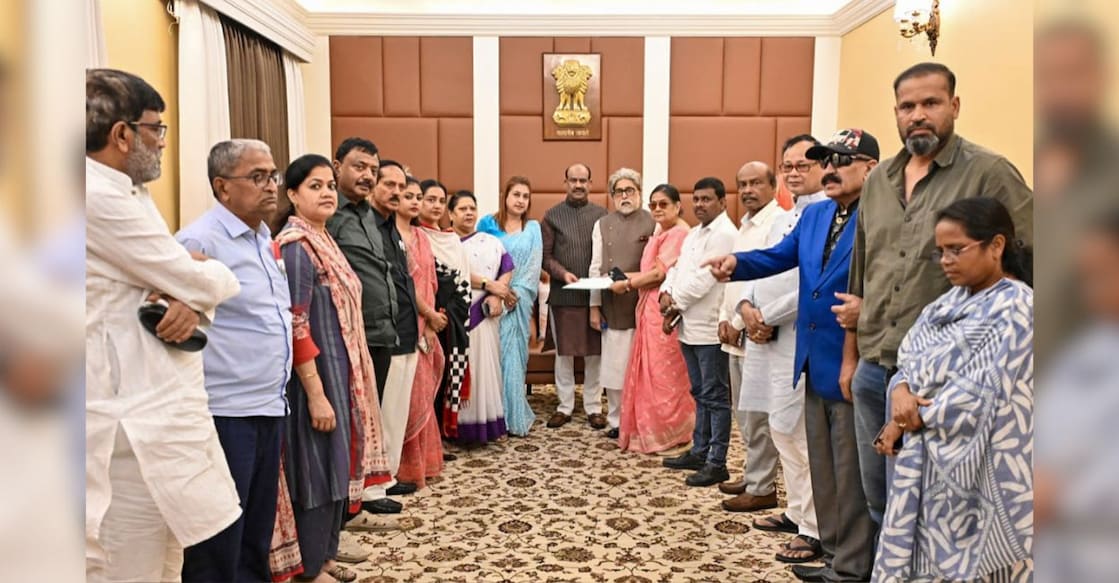
The crisis within the Trinamool Congress intensified on Sunday after a group of dissident MPs announced their merger with the Nationalist Citizens Party of India and approached Lok Sabha Speaker Om Birla seeking separate seating arrangements in Parliament. The move came even as TMC parliamentary party leader Abhishek Banerjee urged the Speaker not to recognise the breakaway faction.
Lok Sabha MP Sudip Bandyopadhyay said the rebel faction would also fight in court to be recognised as the real TMC and will stake claim to its poll symbol.
Speaking to reporters after their meeting with Birla, rebel MP Kakoli Ghosh Dastidar said 20 TMC MPs had signed a representation submitted to the Speaker.
"Two-thirds of TMC MPs have given a letter to the Speaker for a separate seating arrangement. We will merge with the Nationalist Citizens Party and support the NDA," she said.
The Nationalist Citizens Party of India (NCPI) is a Tripura-based registered unrecognised party that does not enjoy any significant political presence. It had contested from three seats in the 2023 Tripura polls, with its candidates finishing either behind NOTA or securing only a few votes more.
According to the dissident camp, the Speaker verified the signatures of the 20 MPs who backed the representation.
"We have merged with the Nationalist Citizens Party," Bandyopadhyay told reporters.
Asked about the competing claim of the Mamata Banerjee-led faction, he said the issue of who constituted the "real TMC" would be decided by the courts.
"This is the system. When you leave with 2/3rd of the party, you cannot demand the name of that party on the first day itself... In July, we will make a demand to give us Trinamool. Then the court will decide," he said.
"Court will decide later who is the real TMC. We met the Speaker and gave him our request. We will have a separate block in the next Lok Sabha session," Bandyopadhyay said, adding that they will also claim TMC's electoral symbol.
MP Satabdi Roy said they will take a call on their next step at the "right time".
She also said they did not claim the party symbol in the meeting with the Speaker, and added that Speaker will take a final call.
The dissident MPs met Union minister Bhupender Yadav at his house before meeting the Speaker. Later, the legislators had dinner at the Banga Bhawan in Delhi.
Meanwhile, TMC MPs Kirti Azad and Sagarika Ghose also submitted a letter to Birla on Sunday from Abhishek Banerjee urging him not to accord any recognition, status or facility to any purported separate faction, arguing that the Constitution and anti-defection law do not permit the formation of a separate group within an existing political party.
The letter dated June 10 had earlier been sent to the Speaker through email.
In the letter, Abhishek Banerjee requested that the All India Trinamool Congress (AITC) be treated as a single political party represented in the house only through its duly authorised leader and whip and that the party be allowed to present its case before any decision is taken on any communication from dissident MPs.
Citing the Supreme Court's Constitution Bench judgment in the Maharashtra political crisis case, Banerjee argued that the defence of a "split" is no longer available under the Tenth Schedule and that the legal framework contemplates identification of one political party, not recognition of rival factions within it.
After meeting the Speaker on Sunday, Azad said the Supreme Court's Constitution Bench had made it clear that a split within a political party was impermissible, while Ghose said the TMC was an "indivisible" party and the Constitution did not permit the formation of a separate group within the Lok Sabha.
Senior TMC MP Sougata Roy ridiculed the rebels' decision to merge with the NCPI, questioning both its political relevance and the dissidents' ability to justify the move before voters.
 Add as a preferred source on Google