

FM Sitharaman includes Kerala, Tamil Nadu in mega rare earth corridor plan ahead of polls
Mail This Article


In a major move to reduce India’s dependence on China for rare earth elements, Finance Minister Nirmala Sitharaman announced the creation of dedicated rare earth corridors in four states—Tamil Nadu, Kerala, Odisha, and Andhra Pradesh. Notably, both Kerala and Tamil Nadu are going to the polls this year.
Speaking in her Budget 2026–27 address, she said, “The scheme for rare earth permanent magnets, launched in November 2025, will now be supported through state-specific corridors to promote mining, processing, research, and manufacturing.”
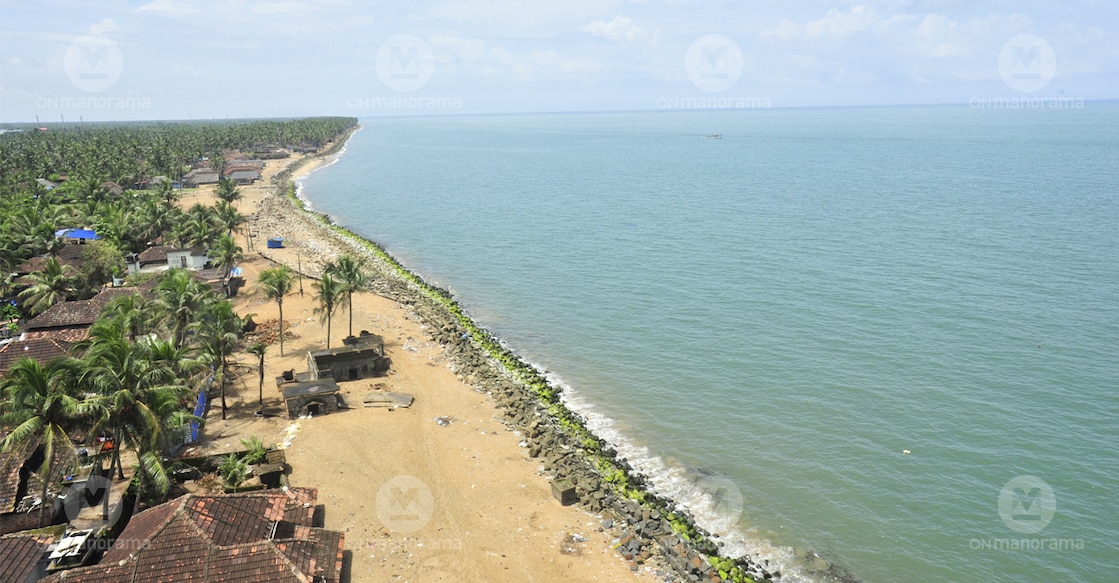
Kerala, with its abundant coastal deposits of thorium, scandium, and other rare earth elements, is set to play a central role in the initiative. During the Kerala budget speech on January 29, State Finance Minister KN Balagopal highlighted that these minerals are crucial for space research, defence, energy, aviation, and healthcare technologies such as CT scanners. He added that plans are underway to establish a ‘Rare Earth Corridor’ linking Vizhinjam port to Chavara, with a connection to Kochi, positioning Kerala as the nation’s permanent magnet hub.
Balagopal also announced the creation of a Rare Earth Critical Minerals Mission in partnership with KMML, KELTRON, and NFTDC, supported by an investment of ₹100 crore. Overall, the corridor project is expected to attract investments worth ₹42,000 crore and generate around 50,000 jobs, boosting both the economy and the state’s strategic industrial capabilities.
Rare earths—a group of 17 critical elements—are essential for applications ranging from smartphones, electric vehicles, and drones to defence systems and fighter jets. China currently dominates global production, accounting for around 60% of mining output and nearly 90% of refined products and rare earth magnets, leaving other countries vulnerable to supply disruptions.
