

Why Malappuram temple's offer of 325 acre land for AIIMS has irked Hindu groups?

Mail This Article


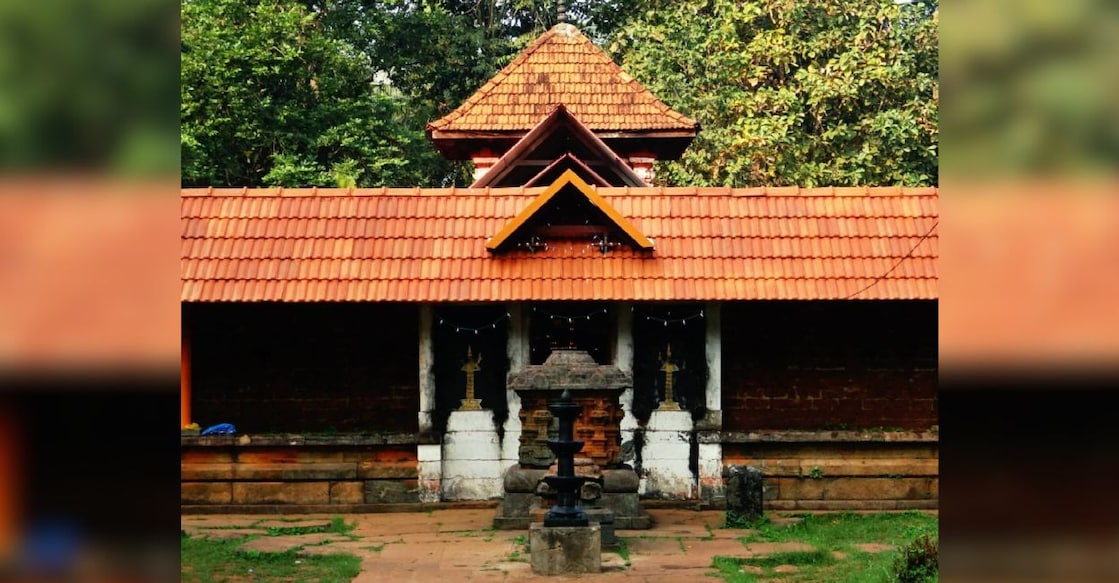
Malappuram: A dramatic offer by the management committee of Panthalloor Bhagavaty Temple near Manjeri in Malappuram to hand over 325 acres of temple land for the establishment of the proposed All India Institute of Medical Sciences (AIIMS) in the state has sparked a fresh wave of debate and drawn measured reactions from various quarters.
What was presented as a development-driven gesture has quickly snowballed into a politically and religiously sensitive issue, drawing criticism from some Hindu organisations and reopening the long-simmering dispute over the proposed AIIMS project in the state.
The proposal comes at a time when the AIIMS project in Kerala has been mired in uncertainty for years. The state and central governments have repeatedly clashed over land identification and procedural bottlenecks, resulting in indefinite delays. Against this backdrop, K P Manikandan, president of the Panthalloor Bhagavaty Temple Committee, made a statement that the temple is willing to part with the entire temple land measuring 325 acres to facilitate the premier medical institution.
Explaining his stand on the issue to Onmanorama, Manikandan described the offer as a noble suggestion aimed at accelerating development in Malappuram district, which lacks a major central medical institution. He pointed out that acquiring such a vast tract of land for AIIMS would otherwise be a herculean task for the government.
Drawing parallels with the government’s proposal to set up an airport in the Cheruvally Estate for Sabarimala pilgrims, Manikandan argued that temple land could similarly be utilised for a transformative public project like AIIMS. He stressed that the final decision would rest with the state and Union governments, as well as the Zamorin Raja, under whose trusteeship the temple functions.
However, the announcement has triggered strong resistance from sections of Hindu organisations. Leaders from groups such as Kshethra Samrakshana Samithi and Hindu Aikya Vedi have publicly criticised the move, questioning both the authority of the temple committee and the implications of transferring temple land to the government.
Land related to temples has always been a contentious issue in Kerala. A group of lawyers had filed almost 100 petitions alleging encroachment of temple-owned land. Hindu organisations have vehemently opposed the utilisation of temple assets for purposes other than those meant for the deity. The government has taken over temple land from the Devaswom boards for highway development projects. Figures show that approximately six acres of land have been taken over for road development from temples under the Travancore Devaswom Board. Land was taken over from eight temples under the Malabar Devaswom Board for highway expansion, and five cases are pending in the court.
K P Sasikala of Hindu Aikya Vedi condemned the suggestion in a Facebook post, asserting that the temple management committee does not have the power to take unilateral decisions regarding temple property. Echoing similar concerns, Sudheesh, Malappuram district secretary of Kshethra Samrakshana Samithi, argued that only the Zamorin Raja has the authority to decide on matters concerning temple land. He emphasised that the land had been painstakingly reclaimed through legal battles and should not be handed over to the government without due consideration.
Manikandan, who has served as president of the temple committee for 27 years, dismissed the criticism as politically motivated. He clarified that the land, if transferred, would be handed over to the central government — not the state — and maintained that the move is rooted in social welfare considerations. “Ultimately, it is a major social welfare initiative that would benefit the district,” he said, underscoring the need for advanced healthcare infrastructure in Malappuram.
