Walayar mob lynching: HC cancels bail of 8 accused, raps lower court for 'thoughtless' order
Mail This Article


The Kerala High Court on Thursday cancelled the bail granted to eight accused in the Walayar mob lynching case, observing that the lower court failed to follow mandatory legal procedures.
Allowing an appeal filed by the state government, Justice A Badharudeen set aside the order of the special court for SC/ST (Prevention of Atrocities) Act, which had granted bail to the accused. The HC directed the accused to surrender before the jurisdictional court within three days, failing which the police can arrest them.
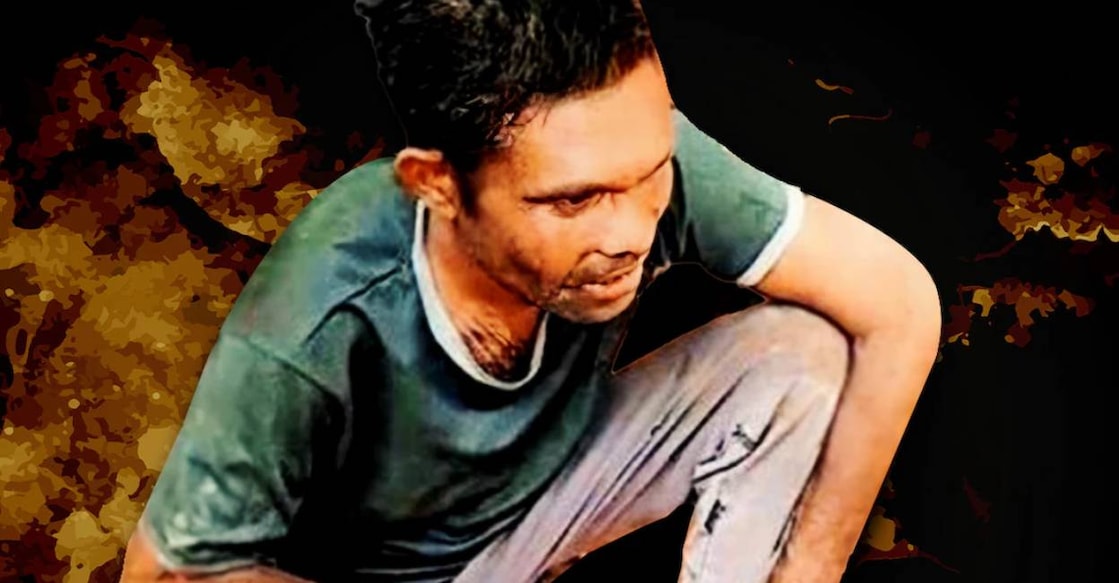
The case registered at the Walayar Police Station pertains to the lynching of Ram Narayan Baghel (40), a native of Jharkhand, on December 17, 2025. According to the prosecution, the accused attacked him with the intention to kill as part of a mob, attracting charges under section 103(2)(mob lynching) of the Bharatiya Nyaya Sanhita (BNS) and section 3(2)(v) of the SC/ST (Prevention of Atrocities) Act.
The Special Court had earlier granted bail to the accused after they spent between 25 and 43 days in custody, stating that further detention was not necessary for the investigation. However, the HC found that the bail was granted without issuing notice to the victim's family, as mandated under Section 15A(3) of the SC/ST Act. The court held that the provision makes it compulsory to inform and hear the victim or their family in bail proceedings.
Terming this a "serious lapse", the court said the Special Judge had "inattentively and thoughtlessly" granted bail in a grave case of mob lynching without complying with statutory requirements. The court also noted that the investigation is still at a preliminary stage and that premature grant of bail could adversely affect the probe. It further pointed out that some of the accused have criminal antecedents.
Referring to the legal framework, the court observed that Section 103(2) of the BNS, 2023 treats mob lynching as a more serious offence, punishable with death or life imprisonment. The court said the Special Judge failed to properly consider relevant provisions, including the presumption regarding knowledge of the victim's caste under the SC/ST Act, and mechanically concluded that the Act would not apply.
While cancelling the bail, the court said that the accused are free to file fresh bail applications, which should be considered on merits after giving due notice to the victim's family. The court also directed that a copy of the judgment be forwarded to the jurisdictional court for immediate action.
 Add as a preferred source on Google