Pinarayi slams inclusion of liquor tax concession in Finance Bill before UDF nod
Mail This Article


Opposition Leader Pinarayi Vijayan on Sunday criticised Chief Minister V D Satheesan for including the proposed liquor tax concessions in the Kerala Finance Bill without first securing the UDF's approval, arguing that the passage of the bill would automatically legalise the concessions.
In a Facebook post, Pinarayi said that despite the Chief Minister's assurance that the budget proposal on liquor tax concessions would be implemented only after discussions within the UDF, the proposed changes had already been incorporated into the Finance Bill tabled in the Assembly.
He argued that once the Assembly passed the bill, the tax concessions would become law, leaving the UDF with no legal means to prevent their implementation. He also contended that a tax proposal enacted through legislation could not later be put on hold through an executive order.
Questioning the relevance of holding discussions after the proposal had already been incorporated into the Finance Bill, Pinarayi termed the move a "charade" aimed at accommodating the unwarranted demands of liquor companies.
He also objected to the Chief Minister's claim that the UDF's budget proposals reflected the front's policy position, even as the government maintained that the alliance had not yet taken a final decision on the liquor tax concessions.
Pinarayi further accused the Chief Minister of acting unilaterally without consulting UDF constituents, alleging that even the Excise Minister was unaware of the changes to the excise policy.
He also alleged that liquor companies and monopolies seeking to gain control over Kerala's coastal regions had become the new "allies" of "Team UDF" and urged the government to reverse what he described as the flawed decision to grant tax concessions to the liquor industry.
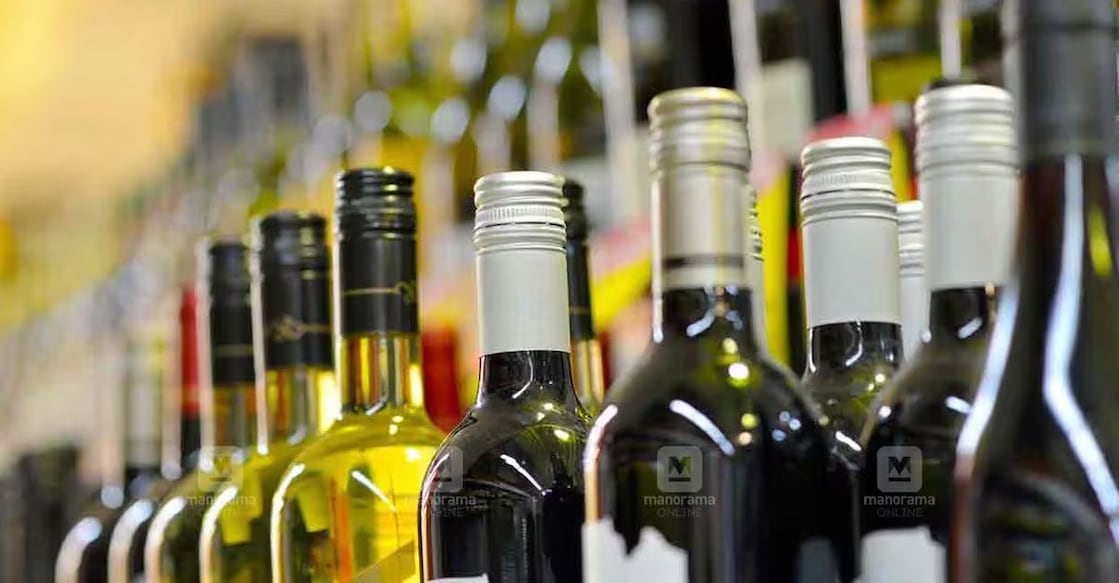
Satheesan had proposed new tax rates for low-alcohol beverages in the Budget, under which drinks containing 0.5 to 10 per cent alcohol would attract a 120 per cent tax, while those with an alcohol content of 10 to 20 per cent would be taxed at 175 per cent.
The proposal drew criticism from sections of the public, the Opposition and even UDF allies, some of whom openly questioned the move. Amid mounting criticism, the Chief Minister later told the Assembly that the revised tax rates would come into effect only after receiving the UDF's approval.
Despite this, the proposed tax structure for low-alcohol beverages has been included in the Kerala Finance Bill 2026, even though the UDF is yet to take a final decision on permitting their sale in the state.