

Mail This Article


As modern households increasingly lean towards clean, chemical-free produce, space constraints often dampen gardening ambitions. Grow bag farming offers an ingenious solution for those with limited space, turning balconies, terrace tops, and small courtyards into lush, green vegetable patches. One of the greatest advantages of grow bag cultivation is that it requires minimal water and accommodates crops in almost any weather condition.
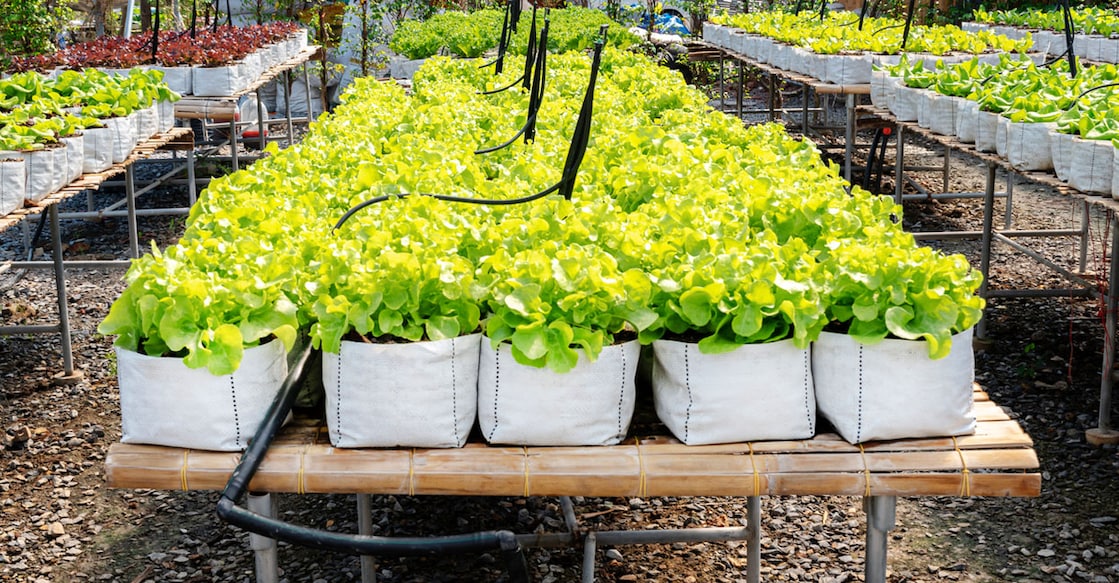
To get the best yield, a little care and preparation can go a long way. Proper sunlight is crucial; since quality grow bags are designed with a white exterior, they help reflect excessive heat while the black interior promotes healthy root development. For most domestic vegetables, a bag measuring 40 cm in length, 24 cm in width, and 24 cm in height is ideal.
The perfect potting mix
Success in grow bag farming relies heavily on the quality of the soil mixture. To prepare a nutrient-rich base, combine fertile red soil with sand or rice husk ash, and well-composted organic manure or cow dung powder. To neutralise soil acidity, mix in about 100g of lime.
For robust disease resistance, add 50g of Trichoderma biofertiliser. Once blended, this potting mix should be kept in a shaded spot for around two weeks before sowing. Remember to fill only three-quarters of the grow bag to allow room for watering and future fertiliser top-ups.
Sowing and planting tips
Before planting, soak the vegetable seeds in water for about six hours to encourage faster germination. You can sow up to three seeds in a single grow bag, ensuring they are not buried too deep. For transplanted saplings, gently dig small holes and place them carefully.
To ensure proper drainage, elevate the grow bags slightly off the ground using bricks or stands. For the first fortnight, keep the bags in a semi-shaded area and water them gently twice a day. Grow bags are excellent at retaining moisture, so overwatering must be strictly avoided.
Nurturing and natural pest control
To protect plants from scorching heat and lock in moisture, mulch the soil surface with dry leaves or coconut coir. Provide support sticks as the plants grow taller. For an organic growth boost, mix 1 kg of cow dung in 10 litres of water, let it settle, and spray the clear liquid weekly. To keep pests at bay, a diluted mixture of bird's eye chilli and cow urine works wonders as a natural repellent.
Additionally, to shield your crops from fungal infections, pour a diluted Pseudomonas solution around the roots once every fortnight. Dipping sapling roots in this solution before planting is also an excellent preventive measure. After each harvest cycle, which typically lasts three to four months, ensure you discard the old soil and refill the bags with a fresh potting mix to maintain high nutrient levels.
