

T20WC: ICC questions Pakistan’s decision to boycott match against India, warns of punitive sanction
Mail This Article


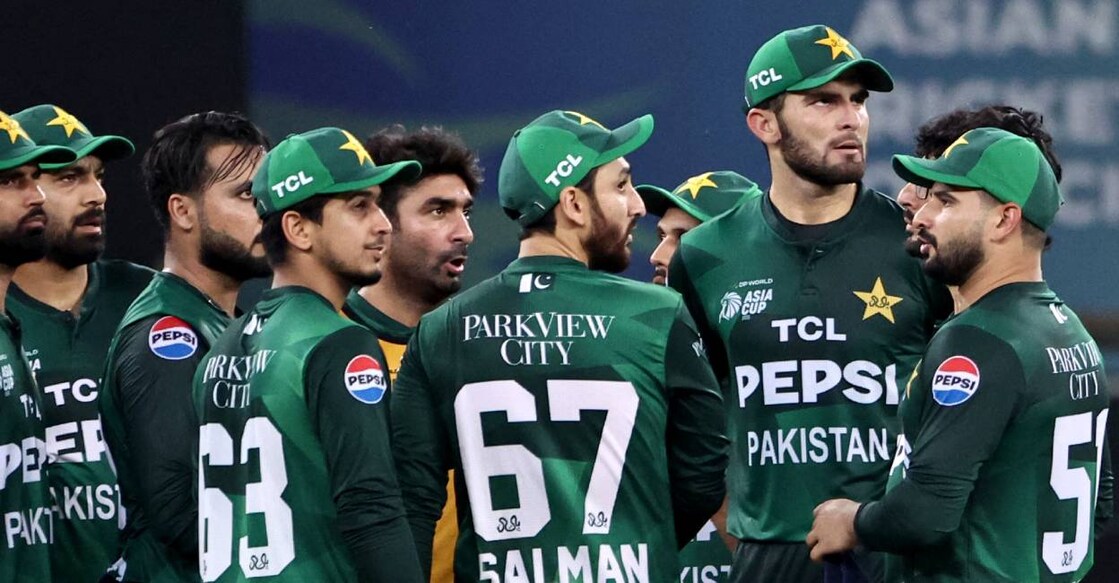
The International Cricket Council (ICC) has expressed strong disapproval of Pakistan’s decision to boycott its high-profile men’s T20 World Cup group league match against India. On February 1, the Pakistan government issued a press statement declaring that its national cricket team would not take the field for the match scheduled against India on February 15. Questioning the move, the ICC warned that the boycott could lead to punitive sanctions.
“The ICC hopes that the PCB will consider the significant and long-term implications for cricket in its own country, as this is likely to impact the global cricket ecosystem, of which it is itself a member and beneficiary,” the global body said in a statement.
“While the ICC respects the roles of governments in matters of national policy, this decision is not in the interest of the global game or the welfare of fans worldwide, including millions in Pakistan,” it added.
The Pakistan Cricket Board (PCB) stated that it would reassess its participation following the government’s decision, citing that the move was taken in solidarity with Bangladesh.
In a statement posted on social media, the Pakistan government said it had granted approval to the national team to participate in the tournament but clarified that the team “shall not take the field” for the February 15 fixture against India in Colombo.
“The Government of the Islamic Republic of Pakistan grants approval to the Pakistan Cricket Team to participate in the ICC World T20 2026; however, the Pakistan Cricket Team shall not take the field in the match scheduled on February 15, 2026, against India,” the statement said.
The decision is being viewed as a political protest linked to Bangladesh’s removal from the tournament after the ICC declined its request to shift matches from India to Sri Lanka due to security concerns.
The India–Pakistan clash is the most anticipated fixture at any ICC event, drawing peak global viewership, sponsorship interest and broadcast revenues. The host broadcaster could incur advertising revenue losses ranging from ₹200 crore to ₹250 crore for the marquee match, where a 10-second commercial slot reportedly costs up to ₹40 lakh, reported PTI. While a walkover would hand full points to India, the ICC retains the authority to impose financial penalties on the PCB.
For a walkover to be awarded, the opposing team must be present on the ground for the toss. The Indian team is therefore expected to travel to Sri Lanka, with captain Suryakumar Yadav walking out for the toss. If Pakistan captain Salman Ali Agha fails to appear, the match referee will award a walkover and two points to India.
The boycott could also result in a range of sanctions, including docking of World Test Championship points, no movement in ICC rankings, top member nations refusing to tour Pakistan, and potential restrictions on player participation in the Pakistan Super League (PSL).
Pakistan are scheduled to open their campaign against the Netherlands on February 7, followed by matches against the USA on February 10 and Namibia on February 18. All matches will be played at the SSC ground in Colombo.
A source close to the PCB said board chairman Mohsin Naqvi would provide more details to the media soon.
“What will be interesting to see is what reason the PCB gives for the government denying permission to play India on February 15, and whether this was a unilateral government decision or one taken with the PCB’s consent,” the source said.
The current stand-off stems from the ICC’s decision to remove Bangladesh from the tournament after it declined to accept security assurances for hosting matches in India and sought a complete shift of its fixtures to Sri Lanka. The ICC rejected the request and replaced Bangladesh with Scotland, triggering sharp reactions within Pakistan’s cricketing and political circles, even as several former players and officials advised against a move that could harm the country’s cricketing interests.
However, neither the PCB nor the Pakistan government has clarified what would happen if India and Pakistan were to meet in the knockout stages of the competition.
 Add as a preferred source on Google