

UN observes World Meteorological Day on March 23

Mail This Article


• World Meteorological Day is observed on March 23 every year.
• It commemorates the coming into force of the Convention establishing the World Meteorological Organisation (WMO) on March 23, 1950.
• It showcases the essential contribution of national meteorological and hydrological services to the safety and wellbeing of society and is celebrated with activities around the world.
• The themes chosen for World Meteorological Day reflect topical weather, climate or water-related issues.
• This year’s theme is ‘Observing Today, Protecting Tomorrow’.
World Meteorological Organisation (WMO)
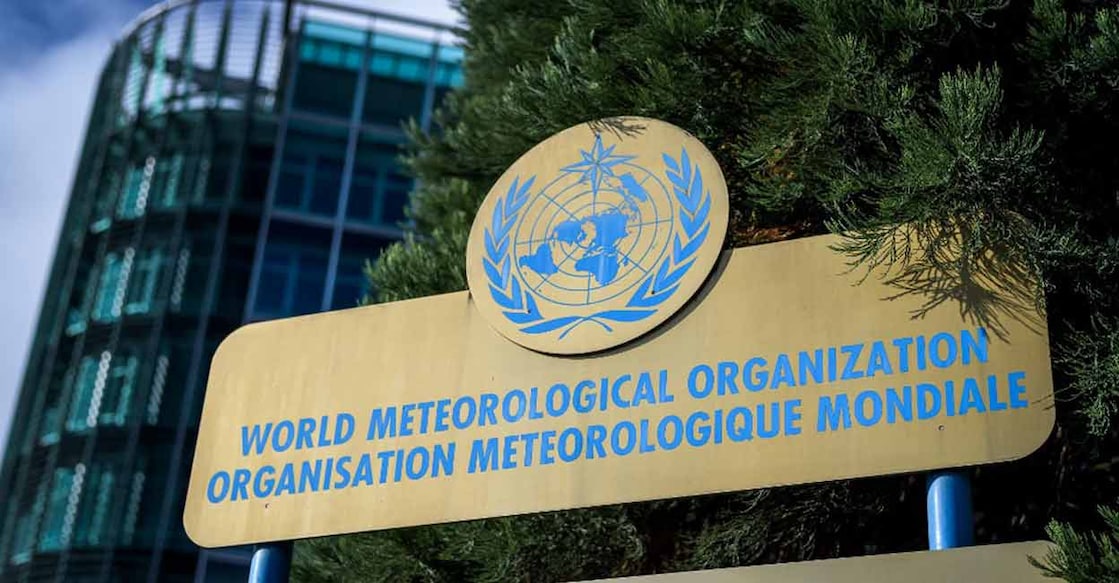
• The World Meteorological Organisation (WMO) is a specialised agency of the United Nations.
• It is the UN system’s authoritative voice on the state and behaviour of the Earth’s atmosphere, its interaction with the oceans, the climate it produces and the resulting distribution of water resources.
• The WMO has 193 Members, including 187 Member States and six territories, maintaining their own meteorological services.
• It originated from the International Meteorological Organisation (IMO), which was founded in 1873.

• Established in 1950, WMO became the specialised agency of the UN in 1951 for meteorology (weather and climate), operational hydrology and related geophysical sciences.
• WMO facilitates the free and unrestricted exchange of data and information, products and services in real or near-real time on matters relating to safety and security of society, economic welfare and the protection of the environment. It contributes to policy formulation in these areas at national and international levels.
• WMO coordinates the activities of National Meteorological and Hydrological Services in 193 States and territories so that basic weather, climate and water services are made available to anyone who needs them.
• The World Meteorological Congress is the supreme body of WMO.
• The Executive Council implements its decisions, while six Regional Associations are responsible for the coordination of meteorological, hydrological and related activities within their respective Regions.
• The WMO has a president and three vice-presidents who preside over Congress and of the Executive Council.
• The Secretariat, headquartered in Geneva, is headed by the Secretary-General.
• The Secretary-General is appointed by the World Meteorological Congress for a four-year term with a maximum tenure of 8 years. The Secretary-General is responsible for the overall technical and administrative work of the Secretariat.
 Add as a preferred source on Google