

What is Chagas disease?

Mail This Article


• The World Health Organisation (WHO) observes World Chagas Disease Day on April 14.
• Chagas disease is named after Carlos Chagas, a Brazilian physician and researcher who diagnosed the disease in a person for the first time on April 14, 1909 .
• About 8 million people worldwide, mostly in Latin America, are estimated to be infected with Trypanosoma cruzi, the parasite that causes Chagas disease.
• Raising awareness of the disease is essential to improve the rates of early treatment and cure, together with the interruption of its transmission.
What is Chagas disease?
• Chagas disease, also known as “silent or silenced disease”, affects mainly poor people without access to health care.
• The disease progresses slowly and often shows an asymptomatic clinical course.
• Without treatment, Chagas disease can lead to severe cardiac and digestive alterations and become fatal.
• Chagas disease is caused by the infection of a protozoan parasite (Trypanosoma cruzi).
• T. Cruzi can be transmitted during pregnancy or birth (congenital) by triatomine bugs (vector-borne), orally (food-borne), as well as through blood/blood products (transfusional), organ transplantation and laboratory accidents.

• In Latin America, T. cruzi parasites have been mainly transmitted by contact with faeces/urine of infected blood-sucking triatomine bugs known as ‘kissing bugs’.
• These bugs typically live in the wall or roof cracks of homes and surrounding structures, such as chicken coops, pens and warehouses, in rural or suburban areas.
• Normally they hide during the day and become active at night when they feed on animal and human blood. They usually bite an exposed area of skin such as the face, and defecate or urinate close to the bite.
• Chagas disease is curable if antiparasitic treatment is done early, in the acute phase.
• In chronic infection, the treatment and follow up can potentially prevent or curb disease progression and prevent transmission during pregnancy and birth.
• Without early diagnosis and treatment, up to a third of people with chronic infection develop cardiac alterations and one in 10 develop digestive, neurological or mixed alterations which may require specific treatment.
• Approximately 8 million people worldwide are estimated to be infected with T. cruzi, leading to more than 10,000 deaths every year, and more than 100 million people are considered at risk of infection.
• Although a condition of increasing global presence, Chagas disease is found mainly in endemic areas of 21 continental Latin American countries, where transmission has been largely related to the presence of the insect vector.
• An increased number of cases have been detected in Canada and the United States of America, and in many European and some African, Eastern Mediterranean and Western Pacific countries.
• Chagas disease can be treated with benznidazole or nifurtimox. Both medicines kill the parasite and are fully effective in curing the disease if given early, in the acute phase, including in case of congenital transmission.
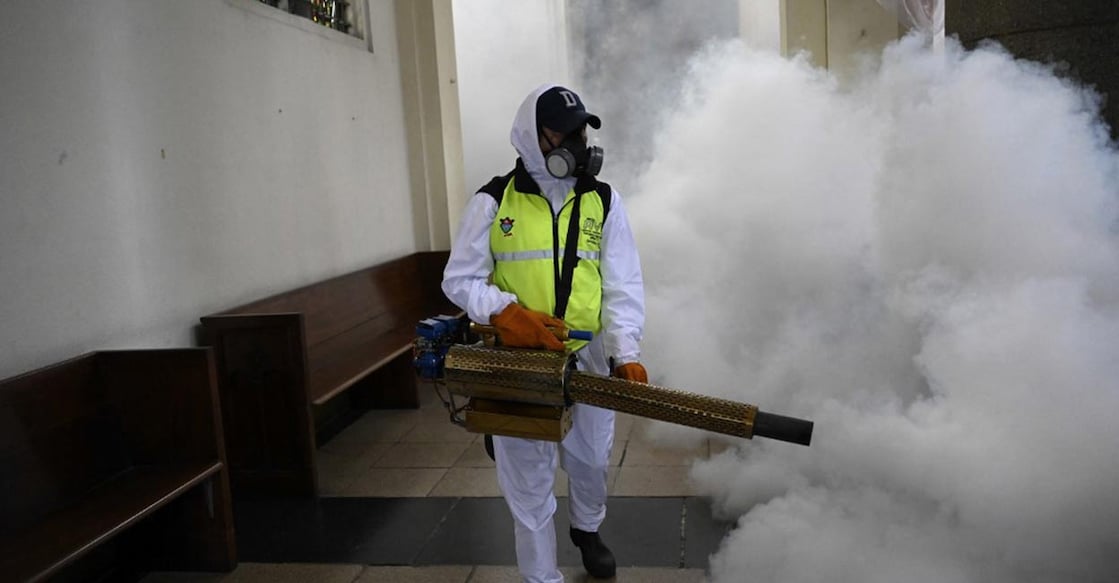
• There is no vaccine to prevent Chagas disease. Vector control, reducing interaction between humans and vector insects, has been the most effective method of prevention in Latin America.
• Blood screening is necessary to prevent infection through congenital transmission, transfusion, and organ transplantation, and to increase detection and care of the affected population all over the world.
 Add as a preferred source on Google