

Having an IC for namesake is not enough: WCC member Beena Paul on sexual harassment case against Ranjith

Mail This Article


The functioning of Internal Committees in the film industry has once again come into focus, with the Women in Cinema Collective (WCC) responding to the sexual assault case against director Ranjith.
For the collective, the issue goes beyond a single incident, pointing instead to a long-standing concern about whether workplace safety mechanisms are being meaningfully implemented.
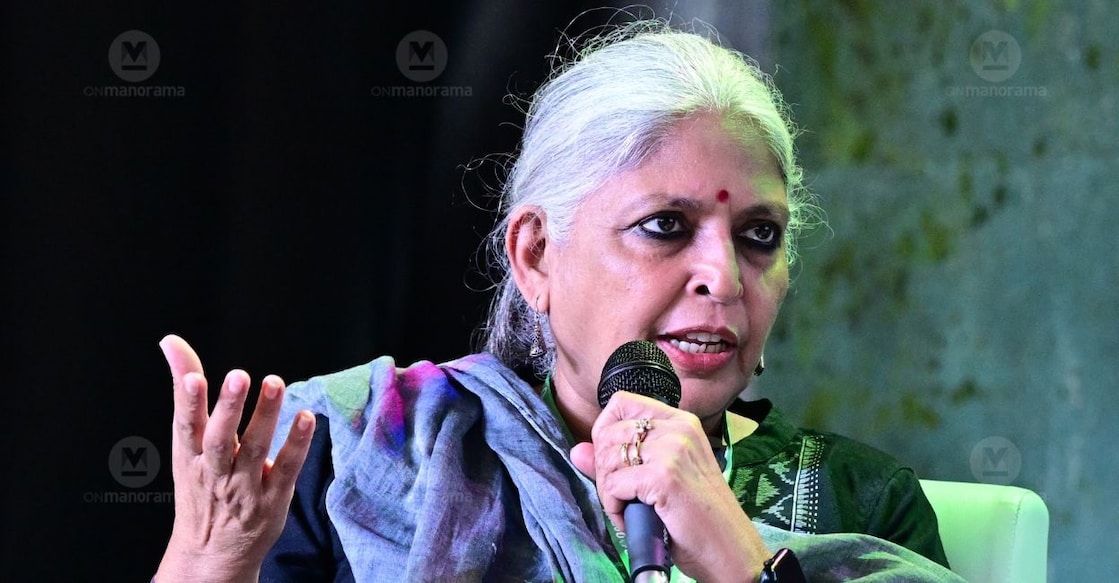
WCC member Beena Paul, responding to the case, questioned the gap between compliance and intent. “It’s all there on paper, but where is the will? Did she contact the IC? Did she even know there was an IC? Why did she choose not to go to it? As Hema has pointed out, there is a powerful nexus at play, and simply having an IC is not enough to break that,” she told Onmanorama.
Her remarks highlight a broader uncertainty around how Internal Committees function in practice. While their presence is mandatory, questions remain around awareness, accessibility, and trust. “Of course, an IC is required; it is the first step,” Paul said, stressing that the collective has consistently pushed for stronger enforcement. “In all our discussions with the government, we’ve said that more intent has to be shown. How do you ensure people are actually safe? Is there a POSH audit being conducted? These are questions we’ve been raising for a long time. Just having an IC for namesake is not enough.”
The WCC has also raised concerns about the lack of transparency in how these bodies operate. “Has there been an audit? How many ICs have been set up, and how many complaints have been addressed? The monitoring committee has ensured that an IC exists on every film set, but how exactly are they functioning?” she asked, pointing to the absence of clear data or oversight.
In a statement shared on its social media platforms, the collective reiterated the need to look beyond formal structures. “In this incident, we have witnessed the IC reduced to yet another tool in the hands of the powerful. If the POSH Act is not implemented in its true spirit, injustice will continue unchecked, perpetrators will keep believing they are untouchable, and film sets will remain unsafe for women,” it said.
For Paul, the persistence of such cases also raises questions about whether these mechanisms have had any real deterrent effect. “People often say that because of WCC, at least the conversation has started. But even after 10 years, it hasn’t reached a point where there are real deterrents. What we need to ask is whether it actually prevents such incidents. Clearly, it doesn’t,” she said.
She also pointed to the significance of the survivor approaching the police rather than an internal mechanism. “We don’t know whether the allegation is true or not, that will be decided in court. But the very fact that she had to go to the police and ask for help itself is concerning,” she said.
Meanwhile, the case continues to move through the legal system. Ranjith was taken into custody on March 31 and has been remanded to judicial custody until April 13. He is currently lodged at the Ernakulam Sub Jail. His advocate, Mohammed Siyad, stepped down from the case following controversy over his earlier role as a member of the Internal Complaints Committee on the film set where the alleged incident allegedly took place.
The director has been booked under non-bailable sections of the Bharatiya Nyaya Sanhita, including charges related to assault or use of criminal force with intent to outrage modesty, sexual harassment, and acts intended to insult the modesty of a woman.
Even as the investigation unfolds, the WCC’s response shifts attention back to a familiar question—whether the systems meant to ensure safety are functioning in spirit, or merely in form.
