

If yeast is alive, is your bread still vegan?
Mail This Article


That loaf of warm bread on your table feels harmless enough. Flour, water, salt, yeast. Fully veg. Vegan, even. Or is it?
Yeast, after all, is alive. Not a plant. Not an animal. A living microorganism that eats sugar, multiplies rapidly and dies dramatically in the heat of an oven. Which raises an uncomfortable, quietly fascinating question: if veganism is about not harming living beings, where does yeast fit in?
Welcome to one of food’s most intriguing grey zones.
What exactly is yeast?
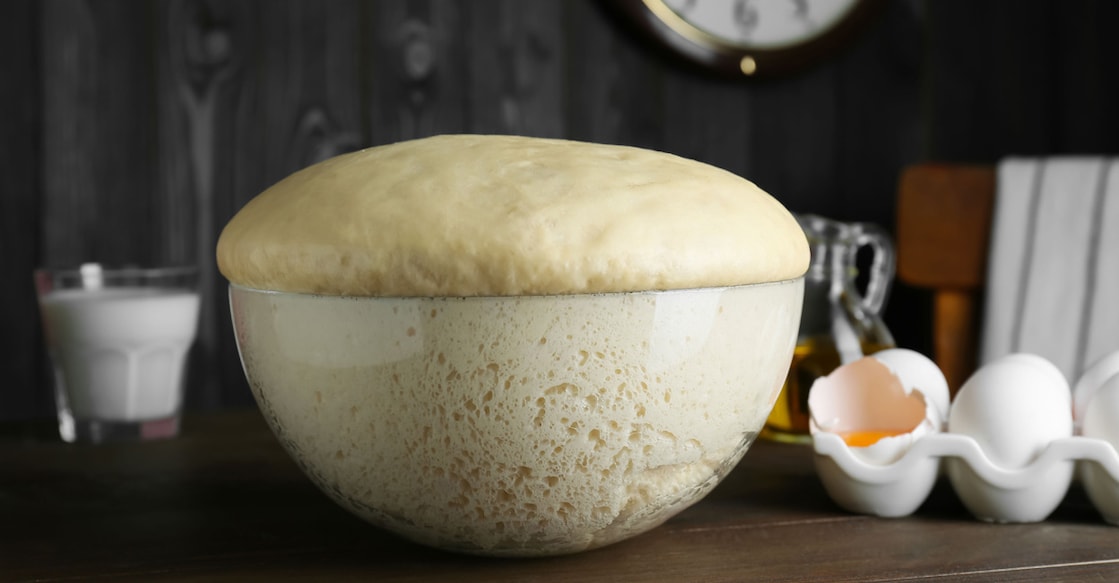
Yeast is a single-celled fungus. Think mushrooms, but microscopic and far more industrious. In bread-making, yeast feeds on sugars in the dough and releases carbon dioxide, which makes bread rise. In brewing, it creates alcohol. In both cases, it is very much alive—right up until baking or fermentation finishes the job.
Biologically speaking, yeast sits in its own kingdom: fungi. It is neither plant nor animal. It has no nervous system, no brain, and no capacity to feel pain as we understand it. This scientific fact is the foundation on which most dietary philosophies rest.

Why vegans usually say yes to yeast
Mainstream veganism is not about avoiding all life forms. If it were, eating a carrot would be ethically questionable. Instead, vegan philosophy focuses on sentience—the ability to feel pain, suffer or experience harm.
By that definition, yeast is fair game. It doesn’t feel pain. It isn’t exploited in the way animals are. This is why bread, beer, wine and nutritional yeast are widely accepted in vegan diets across the world.
Nutritional yeast, in particular, is a vegan darling. The flaky yellow powder, often described as tasting “cheesy”, is prized for its umami flavour and B vitamins. If yeast were off the table, half of vegan internet food culture would collapse overnight.
But philosophically… things get interesting
Still, yeast has a way of unsettling neat categories.
It’s alive. It grows. It reproduces. And it dies for your sourdough. If one pushes vegan ethics to its extreme logical edge, yeast becomes harder to ignore. Some people—usually more as a thought experiment than a lifestyle—argue that killing any living organism is ethically questionable, even microbes.
This is where veganism reveals itself not as a rigid rulebook, but as a spectrum of beliefs. For most, yeast comfortably falls on the “acceptable” side. For a few, it sparks deeper reflection about how humans draw moral boundaries in food.
The real trap isn’t yeast—it’s bread itself
Ironically, yeast is rarely the ingredient that makes bread non-vegan. The real culprits are far more familiar: milk, butter, eggs, honey. Brioche, milk bread, naan and many soft rolls quietly include animal-derived ingredients.
So yes, your yeast-fermented bread may be philosophically sound—but still not vegan.
So, is yeast veg?
In practical terms: yes. In scientific terms: not an animal. In philosophical terms: it depends on how far you want to go.
Food labels are about certainty, but eating is also about ideas. Yeast sits at that strange intersection where biology, ethics and daily habit collide. It reminds us that food choices aren’t always black and white—and that sometimes, the smallest ingredients ask the biggest questions.
 Add as a preferred source on Google