

Indonesian or Indian, idli has our whole heart
Mail This Article


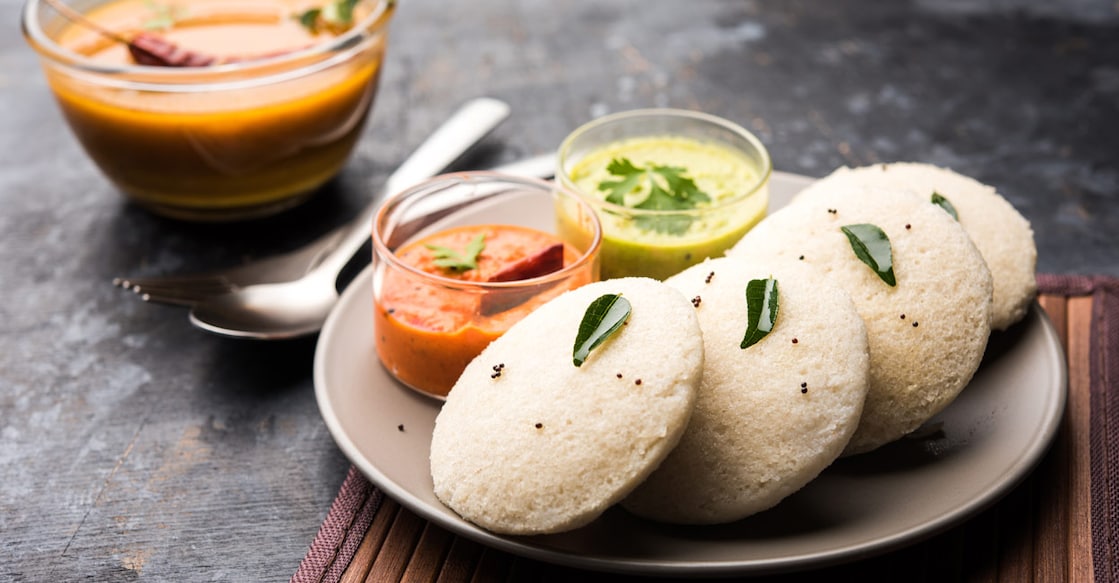
Idli gets its own day today. March 30 is observed as World Idli Day, a rare honour in a cuisine where even icons like dosa do not have a date set aside for them. The soft, steamed staple may look simple on the plate, but its story runs deep, stretching across regions, texts and centuries.
A past recorded in texts and travels
The earliest known reference to idli appears as iddalige in Vaddaradhane, a Kannada work written around AD 920 by Shivakoti Acharya. A few centuries later, the Sanskrit text Manasollasa also mentions a similar preparation, pointing to its presence in early Indian culinary traditions.
Where exactly idli was born, however, remains open to debate. Some historians connect it to Indonesian fermentation techniques, suggesting that the method of allowing batter to rise overnight may have travelled to India through cultural exchanges. Others argue that traders moving between regions carried early versions of the dish into South India, where it took its present form.
There are also claims from western India that a rice and urad dal preparation existed there before making its way south. Yet, it is in South India that idli found its strongest identity, becoming a daily staple across states.

From local kitchens to widespread appeal
In Kerala, idli is part of everyday eating, equally at home in modest thattukadas and established restaurants. There are eateries built entirely around idli, offering multiple variations. Small-scale producers supply it in bulk, and some businesses even export it, taking the dish beyond Indian shores.
Even when the prices of rice and urad dal rise, idli remains firmly on the menu. Its place in the kitchen is rarely negotiable, largely because of its reputation as a balanced and easily digestible meal.
Many forms, one base
Idli is not confined to a single version. Its variations reflect regional tastes and ongoing experimentation.
Rava idli offers a different texture and is often chosen as an alternative to the traditional rice-based version. Sambar idli, made with small idlis soaked in gravy, is especially popular in Tamil Nadu. Rasam idli, ghee idli and fenugreek-infused idlis add to the range.
Across India, the diversity grows. Karnataka’s thatte idli is broad and flat. Kanchipuram idli is spiced with pepper, cumin and ginger. Mysuru’s mallige idli is known for its softness. Palakkad’s Ramassery idli has a distinct local character. Leaf-steamed versions from coastal regions bring their own aroma and texture.
The idea behind the day
World Idli Day has been celebrated since 2015, following an initiative by Chennai-based idli enthusiast Eniyavan, along with catering association leader M G Rajamani.
Eniyavan gained global attention after creating a 128-kg idli, setting a Guinness World Record after several attempts. He has since experimented with hundreds of varieties, from vegetable-based versions to unconventional ones like chocolate and pizza idli.
Nutrition that keeps it relevant
Doctors continue to recommend idli as a healthy breakfast option. A single idli contains around 40 calories, along with small amounts of protein, carbohydrates and fibre. Fermentation improves nutrient absorption, and steaming ensures minimal fat content.
Served with vegetable-rich sambar and chutney, it becomes a well-rounded meal. Two to three idlis are generally considered sufficient for a balanced start to the day.
Technique behind the texture
The making of idli begins with batter. The ratio of rice to urad dal, soaking time and grinding technique all influence the result. Fermentation, usually done overnight, gives idli its characteristic softness.
Traditional stone grinding has largely given way to electric grinders, but the fundamentals remain unchanged. Earlier, batter was poured over cloth or leaves placed on moulds. Today, steel plates are standard, making the process simpler while retaining the core method.
A dish shaped by time
Idli’s journey is not tied to a single place or moment. It is a result of movement, adaptation and everyday practice. From early textual references to modern kitchens, it has continued to evolve without losing its identity.
On World Idli Day, the spotlight returns to that journey as much as to the dish itself.
