

Ube aka purple yam is trending worldwide; Kerala has had its own version for years
Mail This Article


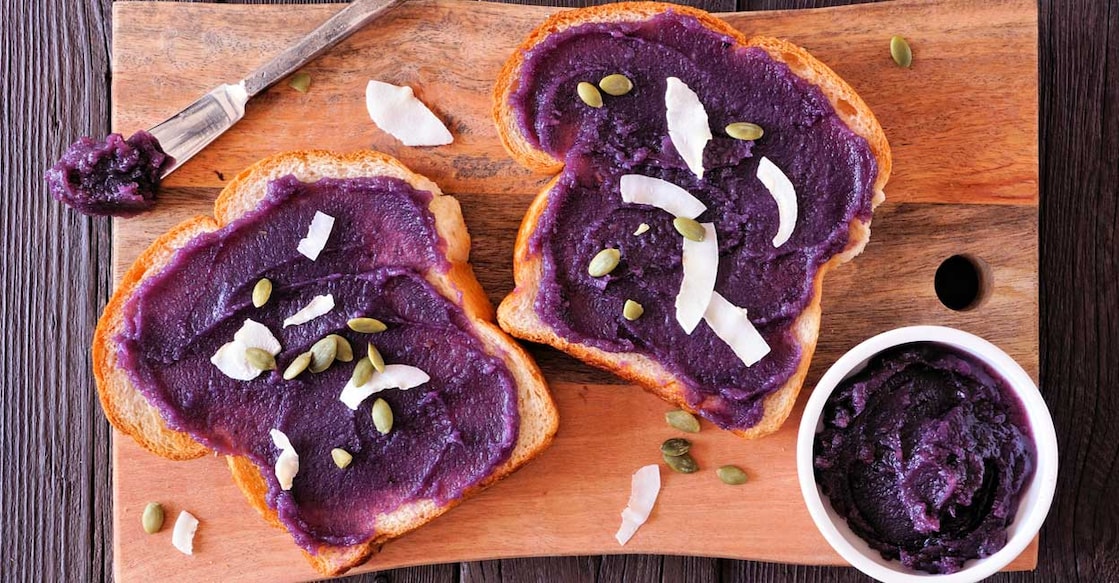
Every few years, the internet discovers a colourful food and turns it into a lifestyle. First it was matcha green lattes. Then black charcoal desserts. Then boba tea. Now social media feeds are filling up with vivid purple drinks, cheesecakes and soft serves made with ube, the Filipino purple yam many are calling 'the next matcha'. Recent international trend coverage has positioned ube as the newest café ingredient after matcha’s long run.

But in Kerala, the reaction may well be: Isn’t that just kachil?
Because long before ube became an expensive latte flavour, Indian kitchens were already cooking, steaming and currying related yams.
The purple trend
Ube is a purple yam widely used in Filipino sweets such as halaya (jam), cakes, ice cream and pastries. It belongs to the species Dioscorea alata, commonly known as greater yam or winged yam.
That same species is also grown in India in different local forms. In many parts of Kerala, kachil (കാച്ചിൽ) refers to varieties of greater yam. Across India, related names and local strains exist in home gardens and farms.
So yes, ube and kachil are often botanical cousins, and sometimes the same species. But they are not always the same variety.
Why Kerala kachil is different from viral ube
The ube used in desserts is prized for three things:
- Deep natural purple colour
- Mild sweetness
- Creamy texture with vanilla-like notes
Many Indian kachil varieties are grown more for savoury cooking than dessert use. They may be:
- White, pale lilac or lightly purple inside
- More starchy than sweet
- Earthier in flavour
- Better suited to boiling, roasting or curries
That means your backyard kachil may not taste like the purple cheesecake filling seen online. But it may still belong to the same plant family.
India already has a whole yam universe
While ube gets headlines, Indian kitchens have long used tubers with just as much culinary depth:
- Kerala kachil: Usually boiled, mashed, roasted or added to curries.
- Chena/elephant Foot Yam: Dense, meaty and excellent in fries, curries and stir-fries.
- Kappa/tapioca: One of Kerala’s most beloved staples, served with fish curry, beef roast or chutney.
- Sweet potato and purple sweet potato: Used roasted, boiled, in chaats and desserts.
From kappa to boba: The funny global upgrade
There is something deliciously ironic about food trends.
In Kerala, kappa was long seen as humble survival food, everyday starch, or nostalgic village comfort. In East Asia and globally, the same cassava root becomes tapioca pearls in bubble tea, sold at premium prices in designer cups.
One culture’s ordinary root becomes another culture’s aspirational snack.
The same thing may now happen with yam. What sat quietly in Indian kitchens as kachil is reappearing elsewhere as ube mousse, ube latte and ube croissant.
