
Grow your own superfoods: A beginner’s guide to cultivation in your backyard
Mail This Article


A home garden is incomplete without a perfect mix of fresh vegetables and delicious fruits. Incorporating versatile trees and plants not only maximises your backyard space but also provides your family with organic, nutrient-dense produce. From the multipurpose banana plant to exotic guavas, quick-yielding papayas, and the highly nutritious Agathi Cheera (hummingbird tree), here is a simple guide to cultivating these absolute essentials in your backyard.
Golden rules for bountiful banana harvests
The humble banana is a true backyard hero. Every part of this versatile plant offers immense value—whether it is the nutritious fruit, the fibrous stem, or the delicate banana heart. For best results, plant Nendran bananas in open, sun-drenched areas of your yard. If you are looking to intercrop in existing coconut groves, varieties like Njalipoovan and Palayankodan thrive exceptionally well. Always choose healthy sword suckers with a thick, robust base tapering towards the top for planting, preferably harvested within a month of harvesting the mother crop.

To plant, dig a pit and prep it with 500 grams of lime. After a fortnight, mix in 10 kilograms of well-decomposed organic manure before planting the sucker straight in the centre. Keep a close eye on sucker growth and do not allow more than one or two suckers to grow alongside the main plant. Mulching with dry leaves retains essential moisture, and remember to prune drying leaves cleanly near the stem. Monthly applications of organic fertiliser paired with soil banking will stimulate robust growth, while removing the flower bud after the last fruit hand opens helps direct energy back to the maturing bananas.
Growing sweet and succulent guavas
Guava trees flourish in sunny spots with well-drained, organic-rich soil. It is highly recommended to choose air-layered saplings over seed-grown ones, as they preserve the exact qualities of the mother plant. The ideal window for planting is between June and July. Dig a pit measuring 1 metre in length, width, and depth, fill it with a mix of topsoil and 10 kilograms of cow dung manure, and plant your sapling firmly at the centre with a supportive stake.
Regular applications of organic fertiliser every three months ensure vigorous growth. Air-layered saplings can begin bearing fruit as early as six months with optimal nutrient management. Excellent, high-yielding varieties perfect for the local climate include Arka Kiran, Allahabad Safeda, Arka Mridula, and Arka Amulya. High-quality grafted saplings can be easily sourced from local agricultural university centres and authorised plant nurseries.
Hummingbird tree: The powerhouse of perennial greens
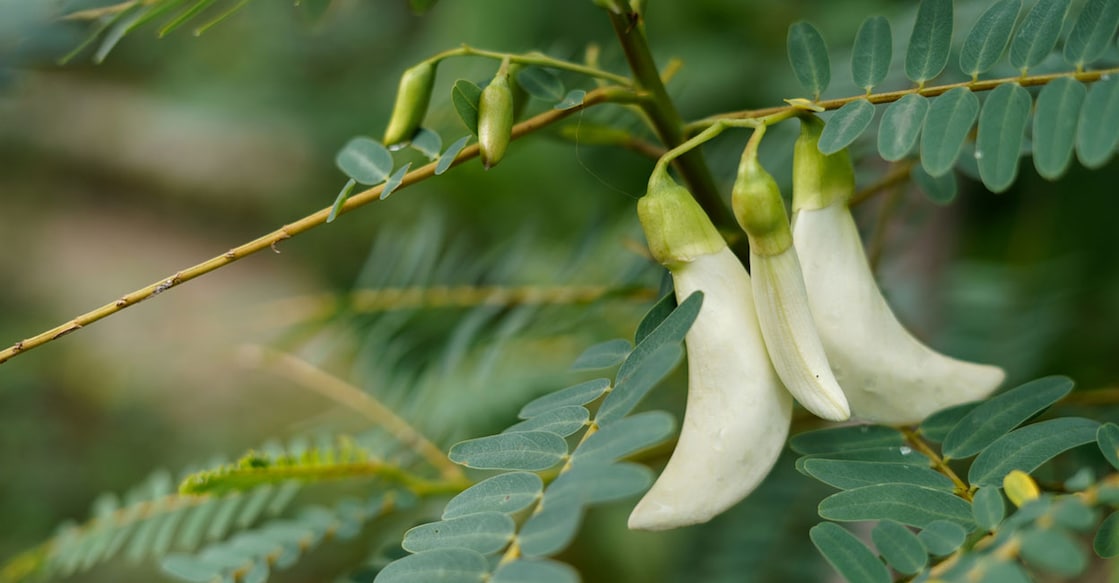
Agathi Cheera (Sesbania grandiflora), commonly known as the hummingbird tree, is a powerhouse of nutrients. Both its leaves and edible flowers are rich in vitamins A, B, and C, calcium, phosphorus, and proteins. Widely used to support respiratory health and manage diabetes and cholesterol levels, this hardy plant is a backyard essential. It comes in varieties producing white, red, yellow, and blue flowers, with the red-flowered variety being a favourite for its superior taste and nutritional value.
Growing Agathi is surprisingly easy. Choose a spot with ample sunlight, and plant the sapling in a pit pre-filled with topsoil and composted cow dung. Stake the young sapling to support its vertical growth, and mound up the surrounding soil to prevent waterlogging during rains. Extremely drought-resistant, this resilient perennial is the perfect solution for households looking for a steady supply of fresh, homegrown greens year-round.
Fast-yielding papayas for your daily nutrition
Papayas are incredibly versatile, serving as a delicious ripe fruit or a nutritious green vegetable. They thrive in almost any location except waterlogged areas. Saplings planted in sunny spots around June can yield fruits in just six months. Highly recommended high-yielding varieties include Red Lady, Red Royal, CO-1, CO-5, and Pusa Nanha.
Opt for robust three-month-old saplings from nurseries rather than growing directly from seeds. Prepare a planting hole about 2.5 feet deep, treating it with half a kilogram of lime 15 days prior to planting. Fill it with organic manure and topsoil before setting the sapling. Make sure to plant them in the evening and provide shade for the first week. Feed the plants every two months with a rotating mix of vermicompost, cow dung, fish fertiliser, and goat manure. To boost flowering and fruit set, a foliar spray of potassium sulphate can work wonders, ensuring a steady harvest of this vitamin-packed fruit.
 Add as a preferred source on Google