

Venjaramoodu mass murder: Kerala HC refuses to stall movie 'Kaalam Paranja Kadha', says film won’t sway judicially-trained mind
Mail This Article


The Kerala High Court on Friday orally remarked that it has no apprehension that a judicially trained mind would be influenced by a film while deciding a case.
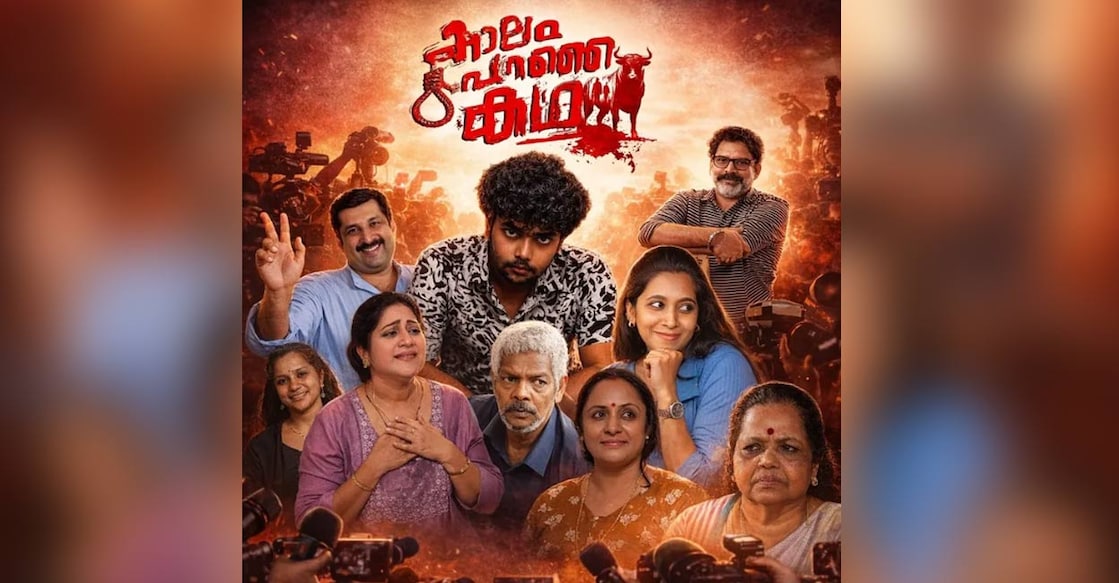
A Division Bench of Justice Gopinath P and Justice Johnson John was hearing an appeal against a single bench order that had dismissed a plea seeking to stall the release of the film ‘Kaalam Paranja Kadha’, which is allegedly inspired by the Venjaramoodu mass murder case. The appeal and the original petition were filed by the accused's father, contending that the film could prejudice the trial, which is currently pending before the Sessions Court in Thiruvananthapuram.
Rejecting this argument, the court said: “We are unable to accept any suggestion from you that a criminal court, a Sessions Court, will decide a case on the basis of what is seen in a film. Assuming that the film is a depiction of the story. Which Sessions Court or Sessions Judge will decide a case on the basis of an impression gathered from watching a film, assuming that the judge watches the film? We can't subscribe to the view that a film is likely to sway the mind of a judicial officer... As judges, we have no apprehension that the judicial mind, at least a judicial mind, will be influenced by any movie.”
The bench also dismissed concerns that the film could influence witnesses in the case, stating: “And witnesses, there are prosecution witnesses who are willing to speak on the prosecution's case. There will be defence witnesses who are willing to speak for the defence, if at all you have any defence witnesses.”
Justice Gopinath further remarked that it was too far-fetched to assume that a film could impact a trial: "See, it is too far-fetched. I can tell you from our experience sitting on this chair. Mine for six years. My brother would have been sitting for 30 years."
He also pointed out that public perception about an accused is often formed at the time of arrest, influenced by media reports and public discussions. However, he emphasised that such perceptions do not affect judicial decision-making:
“If you take the perception of the general public, at least my understanding is that the moment the police arrest an accused, he is guilty; the perception is he has already been found guilty of the offence. Then there will be a media version, and talk shows on TV channels. People claiming to be well-versed with the law sit and discuss....You cannot say that this will affect the minds of the witnesses or the trial. If it were a jury trial, maybe you could say this. Judicially-trained mind is looking at it, appreciating the evidence.”
The court was also informed that the Central Board of Film Certification (CBFC) has already certified the film, which is set to be released with suggested modifications.
Taking note that the petitioner had not watched the film, the bench posted the matter after the summer vacation. It was observed that the appellant could view the film upon release and approach the court if there were specific grievances. However, the court declined to grant any interim relief.
The case relates to an incident on February 24, 2025, in Venjaramoodu, where Afan, the petitioner’s son, was arrested for allegedly killing six people over a span of three hours. The victims included his grandmother, Salma Beevi (88), paternal uncle Latheef (69), aunt Shahida (59), younger brother Afsan, and his girlfriend, Farsana.
(With LiveLaw inputs)
 Add as a preferred source on Google