

'Ghost doctors' writing prescriptions, misusing weight loss injections: Side effects
Mail This Article


‘Losing weight’ enjoys the status of an achievement or success in today’s society, and thus, many are going the extra mile to shed pounds quickly - even ignoring safety concerns. Doctors and authorities are worried as prices fall and generic versions of GLP (Glucagon-like peptide)-1-based weight-loss drugs flood the market. Apparently, without enough medical advice, the use of many prescription-based drugs is expanding beyond clinical settings, reports PTI. Many believe word-of-mouth recommendations and social media posts more than doctors when considering using weight loss drugs.
Concerns users ignore
Many users are ignoring the following important aspects while using weight loss drugs:
1) Correct dosage
2) Possible side effects
3) Need for a doctor’s supervision. Instead, stories on social media and word-of-mouth recommendations are driving demand.
As per reports, this has created a parallel network that’s capitalising on customers’ need to lose weight quickly without going through the necessary process of consulting specialists. Despite warnings that these drugs shouldn’t be used without proper medical consultation, they are openly available without a prescription or with custom-made prescriptions provided through online pharmacies.

‘Easy to obtain over the counter’
Retailers say that though ‘Schedule H’ drugs (prescription drugs) are supposed to be sold only against a prescription, they are not tough to obtain over the counter. On condition of anonymity, a retailer revealed to PTI, “In many cases, pharmacists demand prescriptions for first-time sale of medicines, but don’t demand it for a repeat.”
Side effects of weight-loss drugs
1) Nausea
2) Vomiting
3) Pancreatitis
4) Kidney injury
5) Bowel obstruction
6) Muscle loss (This isn’t a direct drug effect but a result of unstructured weight loss without adequate protein intake, strength training, and medical supervision).
Who can prescribe GLP-1 weight loss drugs?
In India, they can be prescribed only by endocrinologists, internal medicine specialists and cardiologists.
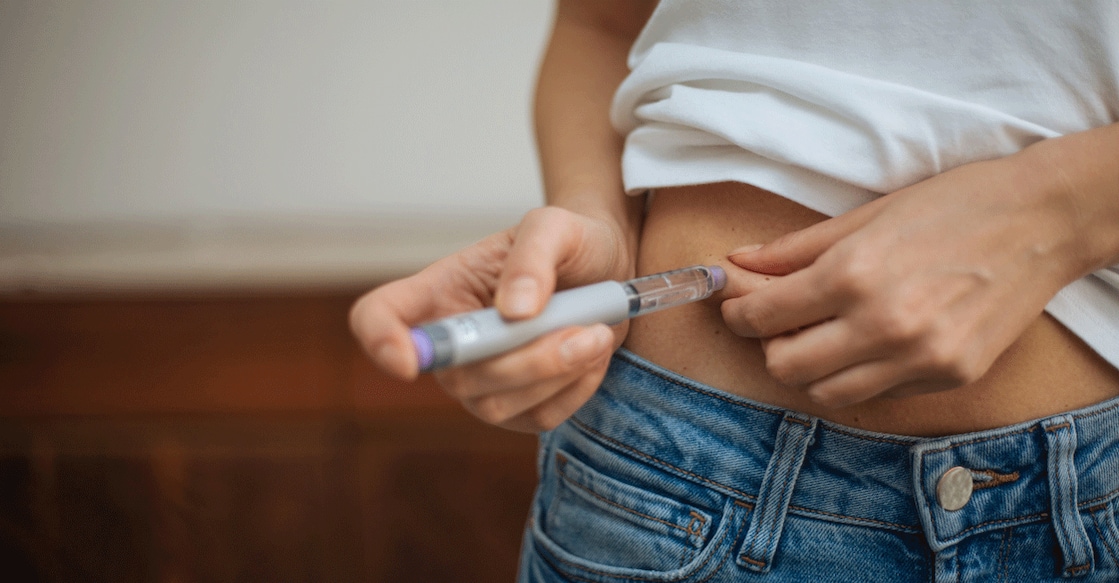
Weight loss injections
Dr Saptarshi Bhattacharya, Senior endocrinologist at Indraprastha Apollo Hospitals, Delhi, said that Tirzepatide (Mounjaro) and semaglutide (Ozempic) injections, widely used in the United States and Europe over the past decade, and introduced in India only last year, have been prescribed widely and have demonstrated clear efficacy and safety in reducing body weight and improving blood glucose control. That said, their growing popularity has also raised concerns about misuse, particularly when used for weight loss without appropriate medical supervision, he pointed out.
One of the concerns with the use of these medicines was their high cost, which limited access to a small segment of patients who could afford the treatment. That barrier is now changing. With the recent expiry of the semaglutide patent, several Indian companies have introduced more affordable versions, expanding access and broadening their use in routine clinical practice, Bhattacharya said.
“With wider availability, concerns related to misuse have also emerged. These injections are often viewed as a quick fix for weight gain, but that can be a worry. Their short-term use without sustained lifestyle changes may lead to rebound weight gain after discontinuation,” Bhattacharya highlighted. These therapies require careful patient selection, appropriate dose titration, and continuous monitoring to ensure safe and effective use. “Their indiscriminate use can lead to harm,” he said.
‘Ghost doctors’
The All India Organisation of Chemists and Druggists (AIOCD) has issued a nationwide advisory mandating that GLP-1 receptor agonists and other critical prescription medicines, particularly injectables, must never be dispensed without a valid prescription from a registered medical practitioner. AIOCD president J S Shinde and general secretary Rajiv Singhal expressed deep alarm over high-risk medications being distributed indiscriminately via unregulated online platforms.
These entities frequently bypass clinical safeguards by utilising ‘ghost doctors’ to facilitate prescriptions through superficial tele-consultations lacking physical examination or professional accountability, Singhal said. This unchecked ecosystem poses an imminent threat to public health, he added, warning that unsupervised use of potent medications leads to severe adverse reactions and long-term complications.
Shinde said that the AIOCD has written a letter to the DCGI requesting immediate and stringent regulatory intervention to dismantle these illegal practices, ensuring that patient safety is never compromised for commercial convenience.
‘Medicines, not cosmetic drugs’
GLP-1 drugs are medicines, not cosmetic drugs, said Dr Ambrish Mithal, Chairman, Endocrinology and Diabetes, Max HealthCare. “When large volumes of the Indian population will be exposed to these drugs, it’s very important that they are prescribed by the right doctor, in the right dose, to the right patient, with proper understanding of side effects.” These drugs mimic a natural gut hormone that signals the pancreas, gut, and brain, stimulating insulin, slowing stomach emptying, and promoting satiety. They are effective for diabetes and can aid weight loss, but misuse can cause problems, he said.
Stricter inspection
The Central Drugs Standard Control Organisation(CDSCO) has intensified its regulatory surveillance to check the unauthorised sale and promotion of these drugs. The All India Organisation of Chemists and Druggists (AIOCD) has also issued a nationwide advisory mandating that GLP-1 receptor agonists and other critical prescription medicines, particularly injectables, must never be dispensed without a valid prescription from a registered medical practitioner.
How should they be used right?
Proper use of weight loss drugs requires specialist oversight, individualised diet and exercise plans, and regular monitoring. People with a history of pancreatitis or certain thyroid cancers should avoid these drugs entirely.
