Kochi Metro Phase-3 DPR moots underground tunnel transit hub to link rail, metro & airport

Mail This Article


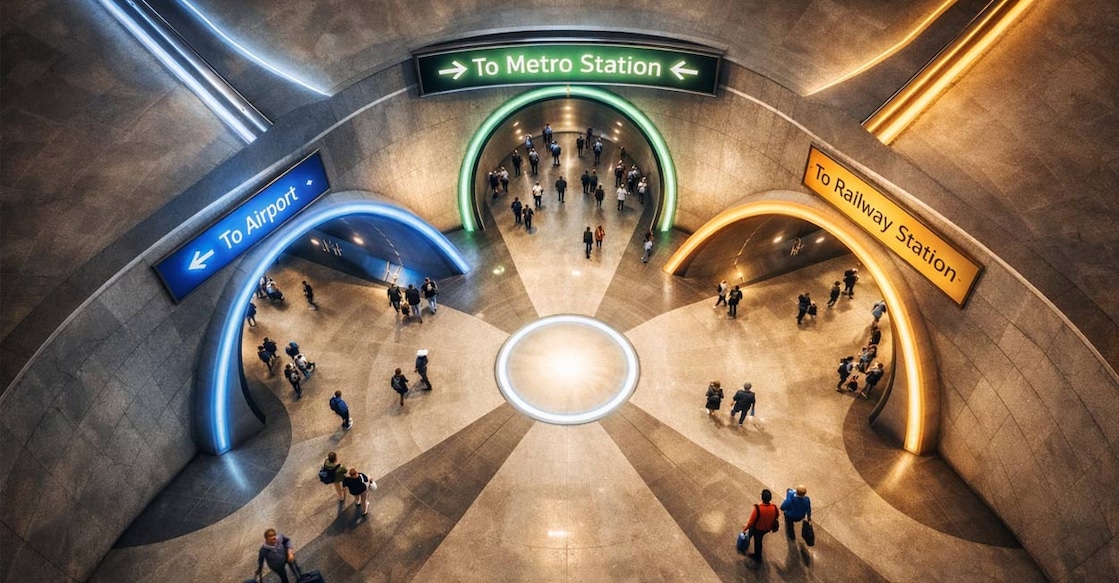
Kochi: Imagine arriving at the Cochin International Airport (CIAL) and, instead of navigating the humid air and bustling ground traffic, you move into a sleek, climate-controlled underground tunnel. Minutes later, you are boarding a metro train at the upcoming metro station or a long-distance express train at the proposed brand-new railway station at Nedumbasserry. This is the ‘transit tunnel hub’ currently being envisioned for Kochi Metro’s Phase III, a subterranean world where the airport, the rail network, and the metro converge to offer seamless connectivity and shield travellers from the elements.
This ambitious vision is currently being chalked out in the Kochi Metro Phase III DPR for the Aluva-Angamaly route. While initial reports about the Phase III suggested only a 3-kilometre underground segment, sources now indicate that around 8 kilometres of underground metro line are being considered. This would mark a historic milestone for Kerala, as neither Phase I nor the ongoing Phase II features any underground stretches. Moreover, the highlight of this network is a proposed underground metro station near the Taj Cochin International Airport Hotel, designed to serve as the gateway for this three-way tunnel system.

“Since the metro station is underground, it is better to directly connect the station to the airport. There will be a tunnel exit/entry point near the terminal, too. So passengers coming to the airport on the metro can reach the airport easily, and those coming out of the airport and planning to take the metro can easily go to the station. But this is just one of the suggestions that came up while preparing the DPR, and it will be finalised later only,” said KMRL sources.
The project isn't just about passenger comfort; it’s a masterstroke in urban planning. By moving the transit interchange underground, CIAL can preserve valuable surface land for planned infrastructure expansions, including the mega commercial zone and multiplex near the main road.
The Indian Railways has already moved forward with the tender process for the new railway station to the west of the airport. While the tunnel link to the railway station is a primary suggestion, CIAL is also keeping a cost-effective alternative on the table through a dedicated above-ground walkway running alongside the airport’s iconic solar panels, potentially supported by free buggy rides.
“Connecting the new railway station to the airport can be done through a walkway, and using free buggy rides for passengers is also an option. It will be less costly than the tunnel plan. But the tunnel suggestion is also there. The tunnel can have exits/entries near both international and domestic terminals, but all these can be discussed only after the KMRL’s DPR is finalised. The cost involved and other challenges will have to be considered,” CIAL sources said.
Of course, digging deep in Nedumbassery brings one major concern to the surface - the threat of waterlogging. With the memory of the 2018 floods still fresh -when the airport was fully flooded- ensuring the safety of a subterranean system is a top priority for engineers. Addressing these anxieties, KMRL sources said that since underground rail is part of Metro Phase III, steps to prevent flooding and waterlogging will definitely be part of the DPR. “So the concerns regarding the tunnels, too, will be properly addressed in the DPR,” sources said.
By weaving together the airport, the upcoming railway station, and the metro line, all supported by a robust network of feeder buses, the airport area is poised to become a premier travel hub.
 Add as a preferred source on Google