

War shows no sign of ending; Kerala families worry for loved ones in Gulf

Mail This Article


Kozhikode: Seventy-year-old Beefathima of Channayil, a quiet village in Vazhayoor in Malappuram district, now spends most of her day glued to television news channels, anxiously following updates on the escalating tensions between Israel and Iran. Each breaking news alert deepens her worry for her 35-year-old son, Fajaru Sadhique, who works in a private firm in Qatar. Reports of missile attacks and rising tensions across parts of the Gulf region have left the elderly mother restless.
Sadhique says that almost every phone call from home now revolves around the same question- whether things are safe where he is. His mother and wife, Sarabi, call frequently, seeking reassurance and updates about the situation in the Gulf.
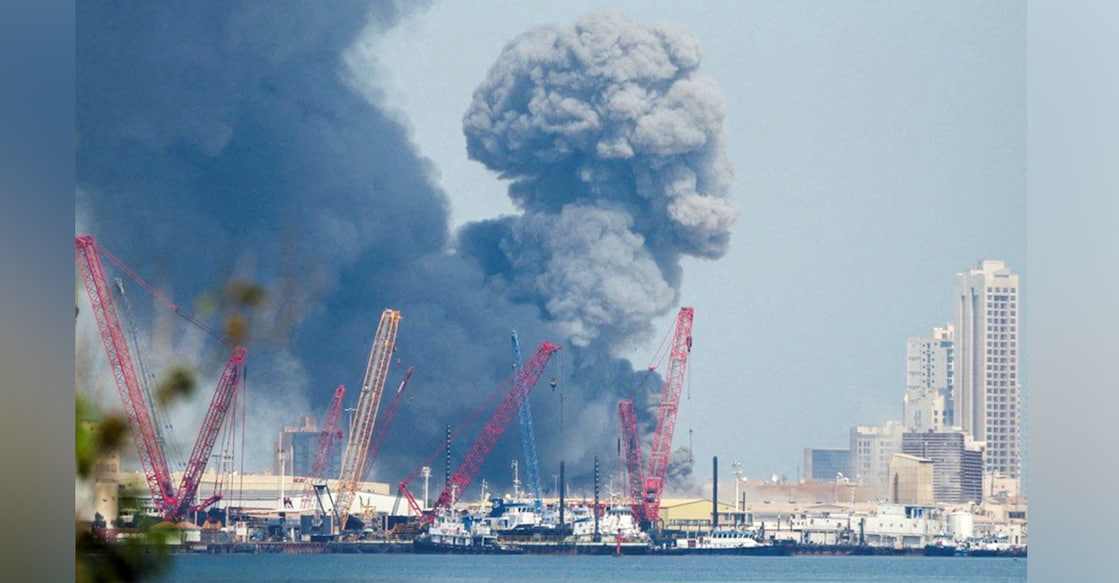
As tensions between Israel and Iran escalate and concerns spread across the Middle East, ripples of unease are being felt far beyond the conflict zone. In Kerala, especially in the Malabar districts, home to thousands of families with members working across the Gulf Cooperation Council (GCC) countries, anxiety has intensified during the holy month of Ramadan. Despite the geographical distance, uncertainty over regional stability has left many households gripped by fear and concern for their loved ones abroad.
While workers in the Gulf continue with their daily routines relatively unaffected, families back home remain on edge. Calls and messages from expatriates provide some reassurance, but news reports about attacks on US bases and incidents involving civilians in parts of the Gulf have overshadowed the festive and spiritual atmosphere of Ramadan in Kerala. Community leaders and local authorities say even minor updates from the Gulf are closely followed, reflecting the deep emotional and economic ties that link Malabar families to the region.
The 24-hour helpline set up by NORKA Roots in the wake of the escalating tensions in the Middle East has been receiving hundreds of calls every day from anxious families across Kerala seeking updates about their relatives in Gulf countries. Officials said most callers are trying to confirm whether the situation in countries such as Saudi Arabia, United Arab Emirates, Qatar and Kuwait remains safe for expatriate workers.
Community organisations are also witnessing a similar surge in enquiries. Units of the Kerala Muslim Cultural Centre (KMCC) functioning in various Gulf countries say their office-bearers are constantly responding to calls and messages from Kerala families worried about the safety of their loved ones.
"There have been no major incidents or attacks that have affected the normal life of people working in the Gulf nations," said Abubacker Arimbra, president of the KMCC Jeddah unit. "However, even a report about a minor fire or a drone interception somewhere in the region creates widespread concern among families in Kerala whose relatives are working in countries like Saudi Arabia, the UAE, Qatar and Kuwait."
He said KMCC, which has active branches in most major towns across the Gulf region, has been trying to provide verified information to families contacting them. "We are reassuring them that there is no reason to panic and that the situation in the Gulf countries remains largely under control," he said. According to him, many families prefer to stay in constant touch because of the flow of unverified reports and alarming updates circulating on social media and even in some mainstream media outlets.
Arimbra also pointed out that travel disruptions have added to the anxiety. "Some people are facing difficulties due to the temporary cancellation or rescheduling of certain airline services. Whenever such news emerges, families immediately panic and start making enquiries. However, these disruptions are expected to return to normal soon," he said.
Padmini Pulariyil, a resident of Balussery town, returned from Riyadh just two months ago after spending several months with her son Sree Lal and his family. Now back home in Kerala, she says reports about the recent drone attack on the US embassy in Riyadh and regional tensions have left her deeply worried about her son's safety.
"I stay in touch with my son and his family regularly, and they keep updating me about the situation there," she said. "But I will feel truly relieved only when this war comes to an end."
Meanwhile, many Malayalis working in the region say daily life continues almost as usual despite heightened vigilance. They admit that occasional reports of minor incidents near US-controlled installations or military zones are being reported in some areas, but insist that these have not directly affected the lives of ordinary residents.
"We receive many phone calls from Kerala asking whether we are safe," said Abhilash V K, a native of Vazhayoor in Malappuram who works in Jizan near the Saudi border. "There is no need for panic. Life here is mostly normal. Of course, people are alert and closely following the developments, but there is no disruption to everyday activities. We are vigilant and prepared to face any situation if it arises."
Fajaru Sadhique, who works as a plumbing staff member in Qatar, said authorities there have issued clear instructions urging residents to strictly follow official guidelines and avoid spreading rumours that could create panic among families of expatriate workers in their home countries.
He said the Ministry of Interior, Qatar has also issued a public notice warning against the circulation of unverified information. The notice states that the "circulation or publication of rumours constitutes a violation subject to legal accountability." It further urges residents to rely only on authorised official sources for information in order to safeguard security and public safety.
Sadhique added that most expatriates are continuing with their routine work while closely following official updates, and that authorities are maintaining strict vigilance to ensure that misinformation does not spread during the current regional tensions.
