

Analysis | Kerala UDF Cabinet: Team KC or Cong’s tested mix of history & formula
Mail This Article


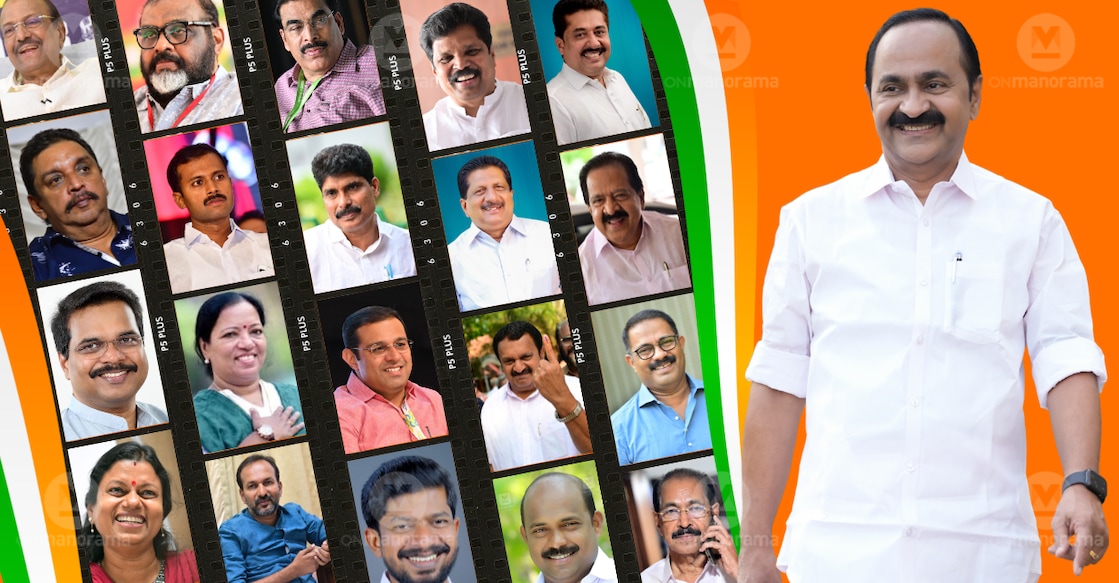
A cursory glance at the VD Satheesan-led cabinet in Kerala may give an impression that inherent groupism scythed through ideal probables. Towards the end of a ceaseless two-day exercise, it was perceived that K C Venugopal, sulking from the ignominy of a lost battle for the Chief Minister’s post, flaunted his might. Save for 2-3 ministers, the rest of the picks reportedly align with the KC group.
The choices, however, reveal a carefully calibrated mix of tested practices associated with the Congress and the act of balancing communal and regional equations. While the name of Kongad MLA K A Thulasi was being considered on the first day of discussions itself, it was only by Sunday evening that Youth Congress state president O J Janeesh, the youngest minister in the UDF cabinet, surfaced. While it appeared as a surprise, the Congress was merely following a successful formula.
When Congress split in 1969, it opened up a new avenue for the young brigade. KSU, Youth Congress leaders like Vayalar Ravi, A K Antony, and Oommen Chandy supported Indira Congress, while senior-most leaders flocked to the official faction. In the 1970 Assembly elections, the youngsters emerged winners, even prompting Indira Gandhi to thank the young Congress leaders of Kerala.
The Congress stuck with the pattern. Ramesh Chennithala, a three-time KSU president, became an MLA at the age of 26 and became the minister for rural development at 30 in the cabinet led by K Karunakaran. When Janeesh would sit by the side of Ramesh Chennithala, the present Home Minister, for the first cabinet meeting, history would repeat itself.
Janeesh was among the pack of fiery, young Congress leaders who were hand-picked to take on LDF's heavyweights in the 2026 elections. His elevation as the minister, along with the victory of other young leaders, will energise the young members of the Congress. His selection also helped the Congress meet adequate Ezhava representation in the cabinet and cover Thrissur district.
V T Balram became the casualty here. Balram is said to have been penalised by KC for siding with Satheesan in the race to become the Chief Minister. A Congress insider, who was part of the discussions, said that not everyone can be accommodated. "Leaders will have their say, but not every choice needs to be interpreted on the basis of groupism," he said.
As for the other two Ezhava ministers, Bindu Krishna and M Liju, the party has honoured them for their persistence. The weight of repeated losses in elections crushed Liju so much that he broke down during his campaign in Kayamkulam, literally pleading with voters to give him a chance. Bindu Krishna won from Kollam after pulling through bitter losses in the assembly and Lok Sabha elections. By giving ministerial posts to both, the party has sent a message to the leaders who toil on the ground, irrespective of results. Liju was even asked to shift from Ambalapuzha following the exit of G Sudhakaran from the CPM.
Aroor MLA Shanimol Osman, whose winnability quotient was always under scrutiny, was actively considered for a post in the cabinet. When regional and communal factors upset her chances, V D Satheesan came up with a counterploy to make her the Deputy Speaker. While doing so, Satheesan again repeated history.

In 1960, Congress candidate Nafeesath Beevi trounced CPI stalwart T V Thomas in Alappuzha, and was elected the Deputy Speaker. Six decades later, another Congress woman MLA,Shanimol, is set to become the Deputy Speaker. Shanimol told Onmanorama that she became a Congress worker at the age of 15 and that whatever the party offers, she will gladly accept.
The selection of Thulasi as the second woman minister in the UDF cabinet ticked three boxes; representation from Palakkad, a woman minister and SC representation. Along with AP Anilkumar, the Congress now has two SC ministers. Her induction also meant that Shanimol had to be taken off the list of ministers.
T Siddique, who faced stiff competition from Anvar Sadath and I C Balakrishnan, banked on Priyanka Gandhi's support and his credentials as a performer in Wayanad to make it to the cabinet.
The Congress, in spite of getting the balance almost right, still faces criticism. The Latin Catholic church has not been enthused over the non-representation of the coastal and Latin Catholic community in the cabinet. Kasaragod, Pathanamthitta, Kozhikode and Idukki went without ministers this time. A special demand was placed for Kozhikode after the Congress managed to bag 5 seats in the 2026 elections. The Muslim League also hasn't allotted a cabinet berth for an MLA from Kozhikode.
The League, which had a hard time finalising the five ministers, also made up for a historical injustice. Ernad MLA P K Basheer was not in the initial list. In 1991, his father, P Seethi Haji, despite winning 5 times, was denied a ministerial post, and instead, he was made the Chief Whip in the Karunakaran ministry. He didn't hide his anger. "Party made me cheap, Leader made me whip," he mocked at the decision. This time, the League ensured that Basheer was made a minister in the UDF cabinet.
Party sources said that there will be a random shift in the way portfolios are allotted. Chief Minister will keep key portfolios like Finance, Ports and the Law. "Even if you claim that the KC group swept the minister posts, the distribution of portfolios will present a different picture and will reveal where the power will be vested," a source said.
 Add as a preferred source on Google