






















 Before you make your purchase, keep these basic tips in mind to get the perfect sparkle on your finger
Selecting diamond rings can be a confusing task. Before you make your purchase, keep these basic tips in mind to get the perfect sparkle on your finger.
Color:
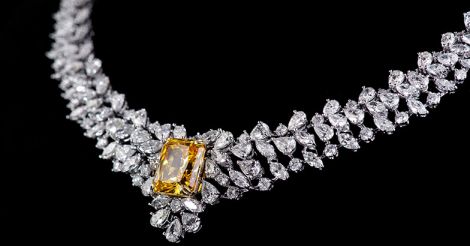
Diamonds occur naturally in all colors of the rainbow. Generally, the rarest diamonds are colorless. Polished diamonds are graded from ‘colorless' to ‘light color'.This is universally known as the D (meaning ‘exceptional white') to Z (tinted color). Make sure you try on the diamond jewelry as the color may look different when worn. If purchasing a loose diamond, carefully place the diamond on the top of your hand and compare it with a similar diamond mounted in a ring.
Carat:

Carat is a measure of weight. One carat (1 ct) equals 0.20 grams and is divided into 100 points or cents (half a carat - 0.50 ct - diamond can be described as 50 points/ cents). It is important to remember that a diamond is not valued by carat weight alone and two diamonds of equal carat weight can have very different values, depending on cut, clarity and color.
A diamond can appear larger (or smaller) than its actual weight, depending on its cut. Your diamond may actually have a higher carat weight than a bigger looking diamond with a shallower cut.
Cut:

Cut refers to the shape of the diamond. Round, princess, oval, marquise, pear, emerald are some of the most familiar. It is also the factor most involved in the sparkle of a polished diamond and is expressed in terms of the brilliance, fire and scintillation of a diamond. To maximize sparkle, a diamond must be cut to very specific parameters of angle and dimension with strict attention to the polished finish of the diamond.
When choosing a diamond, hold it up to the light and look at the way the light dances around - it should reflect the colors of the rainbow and display the diamond's natural brilliance.
Clarity:

Nature ensures that every diamond is as unique as the person who wears it. Naturally occurring features -- known as inclusions -- provide a special fingerprint within the diamond. Usually invisible to the naked eye, these tiny features appeared while the diamonds were forming in the earth. Clarity measures the diamond's purity; it refers to how free a diamond is from these tiny blemishes and inclusions.
Try on diamonds of different clarities. In some diamonds, the internal features may be hidden by the setting and will not detract from a diamond's overall beauty.
Certification:

Once you have purchased your diamond, how would you remember all the details? That's when you insist on the certification which highlights all the 4 C's of the diamond.
Maintain the sparkle:

The care you took in choosing your diamond should remain constant even after purchase:
* Avoid touching the diamond.
* Inspect the diamond regularly.
* Always store your diamond properly, in individual soft cloth pouches when not being worn.
* Clean the diamond on a regular basis - hot soapy water and gentle brushing works wonders.
