

IT park canteens run out of gas, Kerala techies log on to work-from-home mode again

Mail This Article


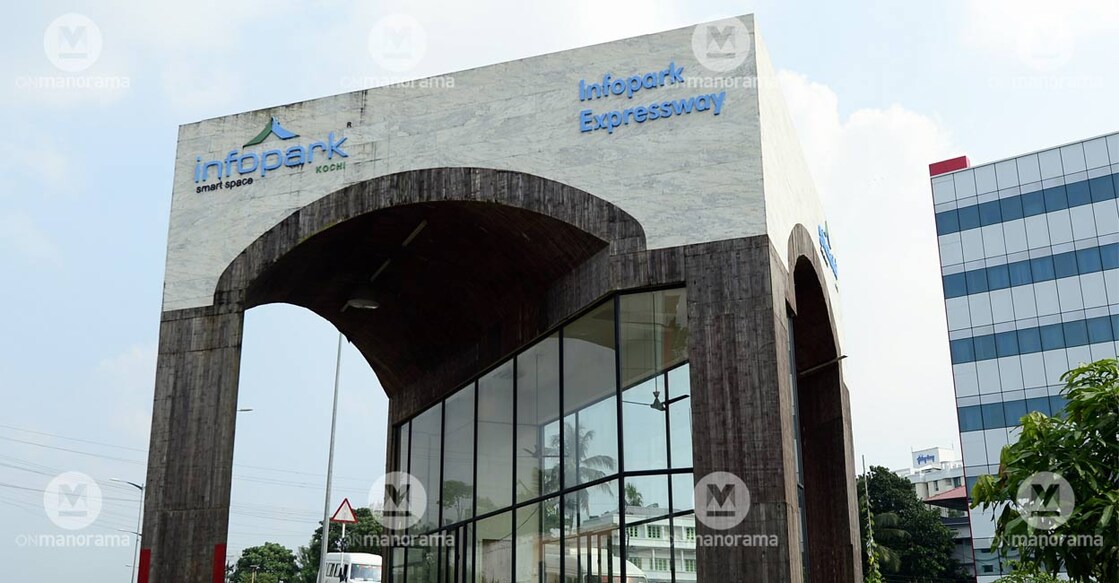
Kochi: The shortage of commercial LPG cylinders is hitting Kochi’s premier IT hubs too, forcing a shift in daily operations at Infopark and Smart City. As office canteens and local messes struggle to maintain their menus, with a few shutting down operations, many techies are opting to work from home (WFH) once again, not due to a pandemic, but simply because hot meals are unavailable.
While the shortage has disrupted supply chains across the country, the impact in Kakkanad, Kochi’s IT hub, is particularly visible. Several IT firms have begun offering flexible remote work options after their catering partners reported an inability to sustain full-scale kitchen operations.
For many software engineers, the choice to work from home is no longer about pandemic safety or flexibility, but it’s about basic sustenance. Several mid-sized firms have already encouraged remote work after their in-house catering services reported they were unable to provide full meals.
“Our canteen used to have a wide variety of items, but now we’re down to just tea, snacks, and one variety of rice. If you can’t get a decent lunch during a 10-hour shift, you have no choice but to work from home, where the domestic gas supply is still steady. Our company has asked us to go hybrid or even WFH,” said Nikitha R, a senior software engineer at a firm in Infopark.
While major IT players haven't issued a blanket mandatory WFH order, the transition is happening organically. Companies are allowing individual teams to decide based on the availability of local amenities.
“The majority of techies rely on office canteens, cafeterias and restaurants around Infopark for their meals. So with canteens not operating WFH will be the only option. We have already asked the government to address the issue,” said Anish Panthalani, president of Progressive Techies, a socio-cultural organisation of techies here.
According to Deepa KR, a core member of Pradhidhwani Kochi, another techies’ community, more companies might opt for WFH in the coming days. "Currently, many cafeterias are adjusting by trimming down the menu and preparing food only as per pre-booked orders. If the situation worsens, they will completely shut too leaving WFH as the only option," Deepa said.
“IT parks are essential services”
Addressing the growing concern, Infopark CEO Susanth Kurunthil, clarified that the administration is not imposing a centralised WFH mandate but is closely monitoring the situation.
“The decision to offer WFH lies with individual companies based on their operational requirements,” Kurunthil said. However, he highlighted a strategic silver lining for the park's vendors. Since IT parks are designated as Special Economic Zones (SEZ) and fall under essential services, the canteens and messes operating within these premises have a unique advantage.
“The Cochin Special Economic Zone, which is a central government agency, has now declared that IT parks are essential services. We have informed our canteen and mess operators that they can approach gas agencies using this provision to claim their required quota of LPG cylinders,” Kurunthil added.
The ripple effects are being felt most acutely in the rented and paying guest (PG) accommodations around the Special Economic Zone. With the supply of commercial LPG cylinders halted, several small eateries that typically cater to the IT workforce have been forced to temporarily shut down, putting up ‘Closed’ signs.
“It’s a bizarre situation. We are working on cutting-edge global software, but our biggest daily challenge right now is finding a place that still has enough gas to fry an omelette or get crisp dosas. My company has been very supportive, giving us the option of working from home until the LPG supply chain stabilises. It feels like 2020 all over again, but for a completely different reason,” says Sneha Susan, a techie at Infopark.
