
























Shedding of leaves and hibernation help trees and animals, respectively, to survive the changes in climate. Similarly, humans need to adapt to the demands of the nature by modifying their diets and regime. Summer is on and it has a bearing on health. Ayurveda provides several tips, as below, on the use of various types of food and nutrients that will aid proper acclimatisation in summer.
1) Fatty products

Consumption of fatty products like butter and ghee (clarified butter) helps in balancing the heat produced in the body and thereby cool the body. These milk products can be used along with your main course or in sweet preparations like kheer.
2) Carbohydrates
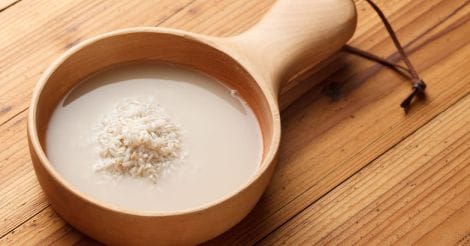
Rice enables easier digestion than wheat as it has has a much less carbohydrate content. Red rice is apt especially for summer, as it relieves thirst unlike the boiled rice. It is best consumed as gruel or porridge with less cereal and more water. Wheat though heavier to digest is a better body coolant than rice. Preferably, wheat should not to be taken soon before bed as the heat generated from the heavy meal may mar your sleep.
3) Proteins

Pulses are rich sources of proteins. Among pulses, green gram (mung), pigeon pea (tuvar dal), split chickpeas (chana dal) etc. are heavy to digest and hence warm the body all the more in summer. Split black gram (urad dal), though heavier is a coolant and acts as an aphrodiasiac.
4) Millets

Millets are high in fibre and rich in minerals like iron, magnesium, phosphorous and potassium. The kodo millet (panjappullu) and foxtail millet (thina) are highly advisable to be used during summer. They are very light on the stomach and are very cooling to the body.
5) Liquids
Increased consumption of fluids prevents dehydration and keep bodies properly cooled in summer, though one should exercise caution as unhygienic water may cause diarrhoea, abdominal cramps, nausea and vomiting.
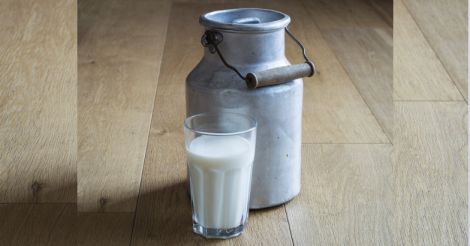
a. Milk: Cow’s milk has a cooling action, but it should not be taken after a heavy meal as it is very heavy. Curd increases the body heat and acidity, whereas buttermilk helps in fighting the heat and cooling the body.
b. Coconut water: It has hardly any carbohydrate or protein, but is rich in sodium, potassium and magnesium thus replenishing the dehydrated.
c. Water: Cold water reduces tiredness and exhaustion, while boiled and cooled water helps relieve thirst and helps up digestion.
d. Juices: Juices are popular beverages especially in summer. Vegetable juices and fruit juices help relieve thirst, exhaustion and replenish the lost vitamins.
e. Alcohol: Alcohol should be definitely avoided in summer. It causes dilatation of blood vessels that, in turn, causes more amount of blood flow under the surface of the skin, thus making one feel warm. Frequent use of alcohol can cause fluid retention, swelling and fatigue.
6) Sweets

Sweets are tempting. Our traditional desserts such as payasams, kheer, shreekhand etc. continue to remain popular as summer recipes for their proven health benefits.


7) Meat
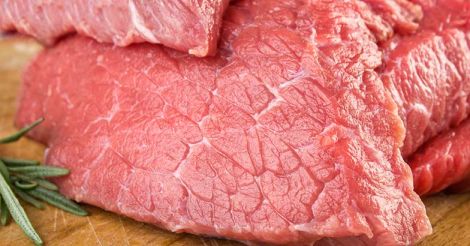
There is a common notion that meat isn’t good for consumption during summer. Meat of wild cock, rabbits, quail, partridge, pheasant help in activating the enzymes and thus initiating digestion. Foods that take a longer time to digest increase the body heat. Hence meat of buffaloes, goats and fish (especially marine) are not advisable. Thus it is generally advisable to have meat not more than once during the daytime.
The right kind of diet helps carrying out the day without much exhaustion and more fruitful output.
(The author is an Ayurveda doctor. You may reach her on dhanya@dhanyasayurveda.com)
